
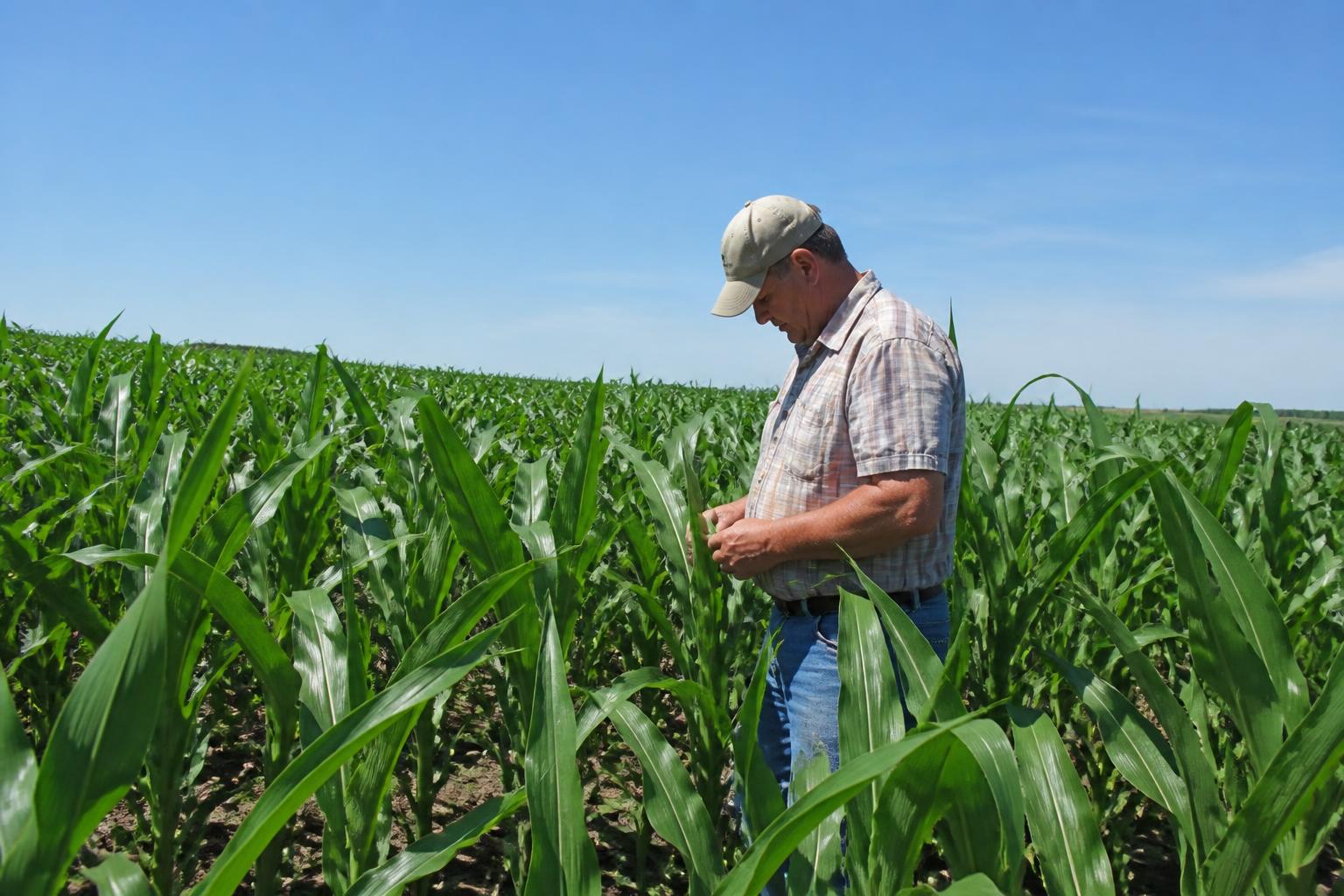
South Dakota crop producers are navigating a highly complex marketing environment this summer. On one hand, domestic grain markets are reacting to the USDA's latest supply projections, which indicated larger-than-expected corn production numbers. On the other hand, escalating international tensions are threatening global supply chains. A recent United Nations warning regarding the Hormuz Crisis has raised alarms about global crop yields and food supplies, leaving local producers to balance local production realities with international market volatility.
Domestic Production Projections Pressure Regional Markets
In eastern South Dakota, where much of the state's corn is concentrated along the Interstate-29 corridor, farmers are processing the USDA's larger-than-expected production estimates. For many local grain handlers and growers, these numbers suggest that domestic stocks may remain highly comfortable, which typically keeps a lid on local basis bids at local elevators during the summer months.
This supply pressure comes at a time when many producers are already navigating sluggish economics in the grain market. Crop conditions across counties like Minnehaha, Brookings, and Brown remain critical as growers watch the weather, hoping that strong local yields might offset lower pricing trends. Storage management and the timing of physical grain movement will be pivotal as the region prepares for the upcoming harvest cycle.
Geopolitical Headwinds and Input Volatility
While domestic supply looks robust, the global logistics picture is increasingly fragile. The ongoing crisis in the Strait of Hormuz has prompted a UN warning concerning global food security and crop yields. This strategic maritime choke point is vital for the transit of energy products and agricultural inputs. Any prolonged disruption there can quickly translate into higher shipping rates and fuel costs for U.S. agribusinesses.
For South Dakota farmers, the secondary effect of global transport disruptions is often felt in the fertilizer and chemical markets. Ocean freight disruptions can lead to supply delays and cost spikes for key crop nutrients. This makes proactive input procurement essential, especially given past trends in fertilizer market volatility driven by geopolitical tensions. Local operations are forced to balance the risk of buying inputs early against the prospect of lower crop prices at harvest.
Strategic Takeaways for South Dakota Agribusinesses
- Monitor Local Basis: With larger national corn volumes projected, watch for localized basis widening at South Dakota terminals and ethanol plants.
- Evaluate Global Risk: Geopolitical tension in the Middle East may support energy costs, directly impacting on-farm diesel and drying costs later this year.
- Review Marketing Plans: Incremental pricing of old-crop storage may help mitigate downside risk if domestic production remains high.
What it means for the market
For the South Dakota agricultural sector, the current environment demands a defensive management posture. While the USDA's comfortable supply outlook suggests soft short-term grain prices, international logistics disruptions could quickly spark volatility in fuel, fertilizer, and global commodity values. Producers who closely monitor both local elevator bids and international supply chain updates will be best positioned to protect their operating margins through the remaining summer months.
Comments
No comments yet - be the first to share your take.