
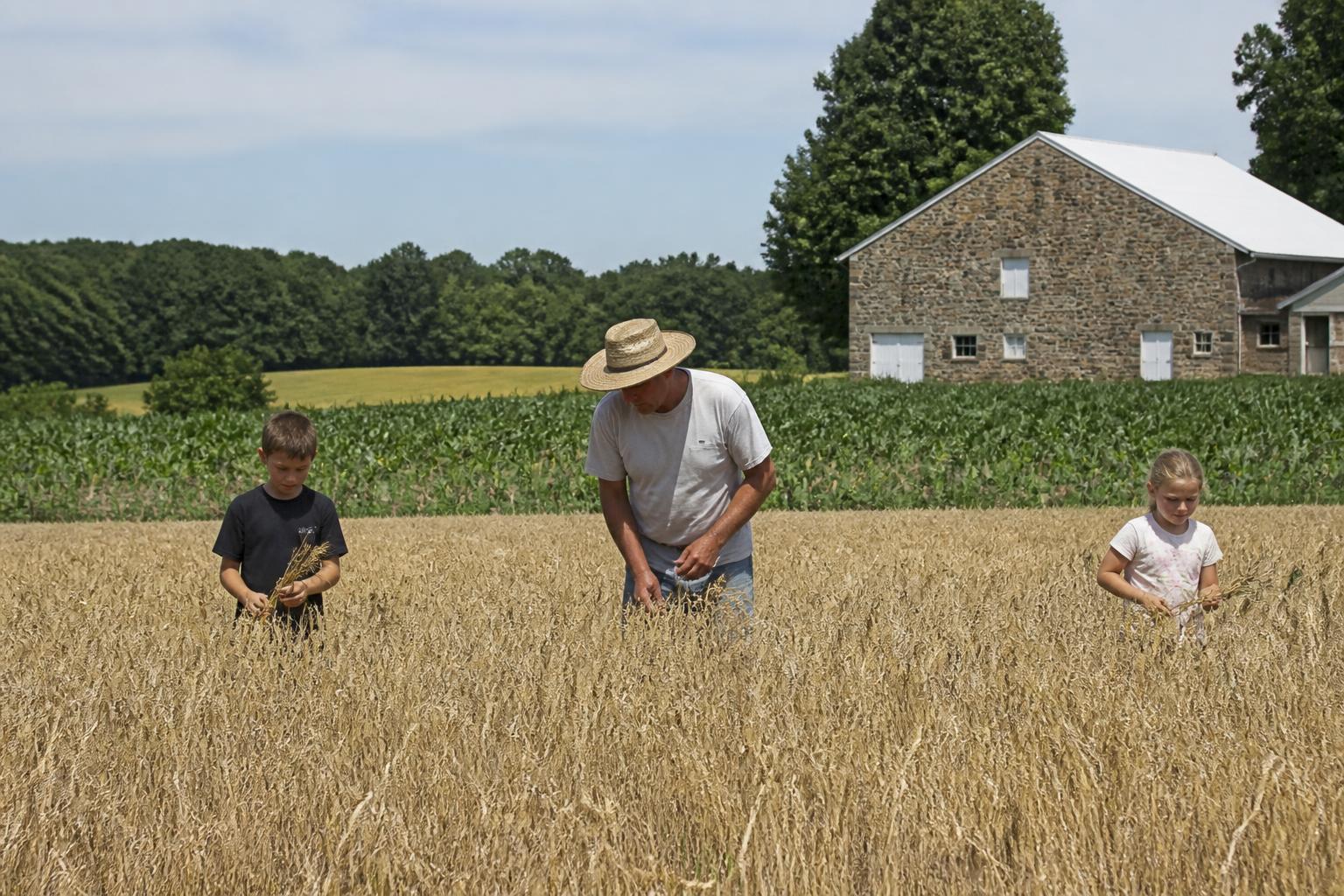
As the summer harvest season gets underway across the Commonwealth, Pennsylvania grain producers are confronting a mix of promising crop yields and persistent market volatility. Despite broader demographic shifts, including an aging farming population across major agricultural regions, local growers are finding opportunities to optimize their balance sheets. Most notably, winter wheat production is showing positive momentum this season, providing an encouraging start to the summer run.
Rising Winter Wheat Volumes and Regional Logistics
Recent crop progress reports indicate that winter wheat output in Pennsylvania has climbed compared to last year's figures. Local elevators and cooperative hubs along key transport corridors, such as Interstate 81 and Interstate 78, are preparing for increased seasonal volumes. This rise in regional wheat supplies comes at a critical time as feed mills and milling processors look to secure high-quality domestic grain.
While the boost in volume is welcome, handling the logistics of moving grain from field to bin requires careful timing. In many parts of Pennsylvania, summer weather patterns can cause rapid shifts in grain moisture levels, making real-time harvesting decisions essential. For those looking to coordinate logistics or source local feedstuffs, finding reliable channels for buying grain in Pennsylvania remains a top priority to capture favorable regional spreads.
Managing Nitrogen Costs and Smart Inputs
On the input side, Pennsylvania growers continue to face fluctuating fertilizer expenses. While several major fertilizer types have seen price relief recently, some nitrogen sources like urea have bucked the trend by moving higher. This uneven pricing environment has pushed many agribusinesses toward advanced nitrogen modeling and precision agriculture tools to avoid over-applying inputs and protect tight margins.
Furthermore, discussions around federal farm policy, including proposed provisions for precision agriculture and fertilizer storage, highlight the industry's shift toward high-efficiency nutrient management. Implementing these practices not only helps control operating costs but also aligns with regional conservation efforts designed to protect local watersheds flowing into the Chesapeake Bay.
Proactive Marketing in a Shifting Economy
To weather the ups and downs of the global grain markets, Pennsylvania producers are increasingly turning to digital solutions. Mobile marketing apps that deliver instant price alerts and local basis tracking are helping growers make more informed selling decisions. Instead of relying solely on traditional harvest-delivery contracts, active tracking allows growers to lock in pricing targets when regional demand spikes.
Key Takeaways for PA Grain Producers
- Pennsylvania winter wheat production is up from last year, boosting local summer grain availability.
- Input management remains critical as fertilizer prices fluctuate, with urea showing upward pressure while other nutrients soften.
- Adopting digital marketing apps and precision nitrogen modeling can significantly improve farm-gate margins this season.
What it means for the market
For Pennsylvania's agricultural community, this summer represents a critical window to balance agronomy with smart marketing. While the long-term trend of an aging farming population presents structural challenges, the immediate rise in winter wheat yields offers a tangible boost to local supply chains. Growers who utilize real-time price tracking and targeted nutrient applications will be best positioned to maintain profitability through the latter half of the year.
Comments
No comments yet - be the first to share your take.