
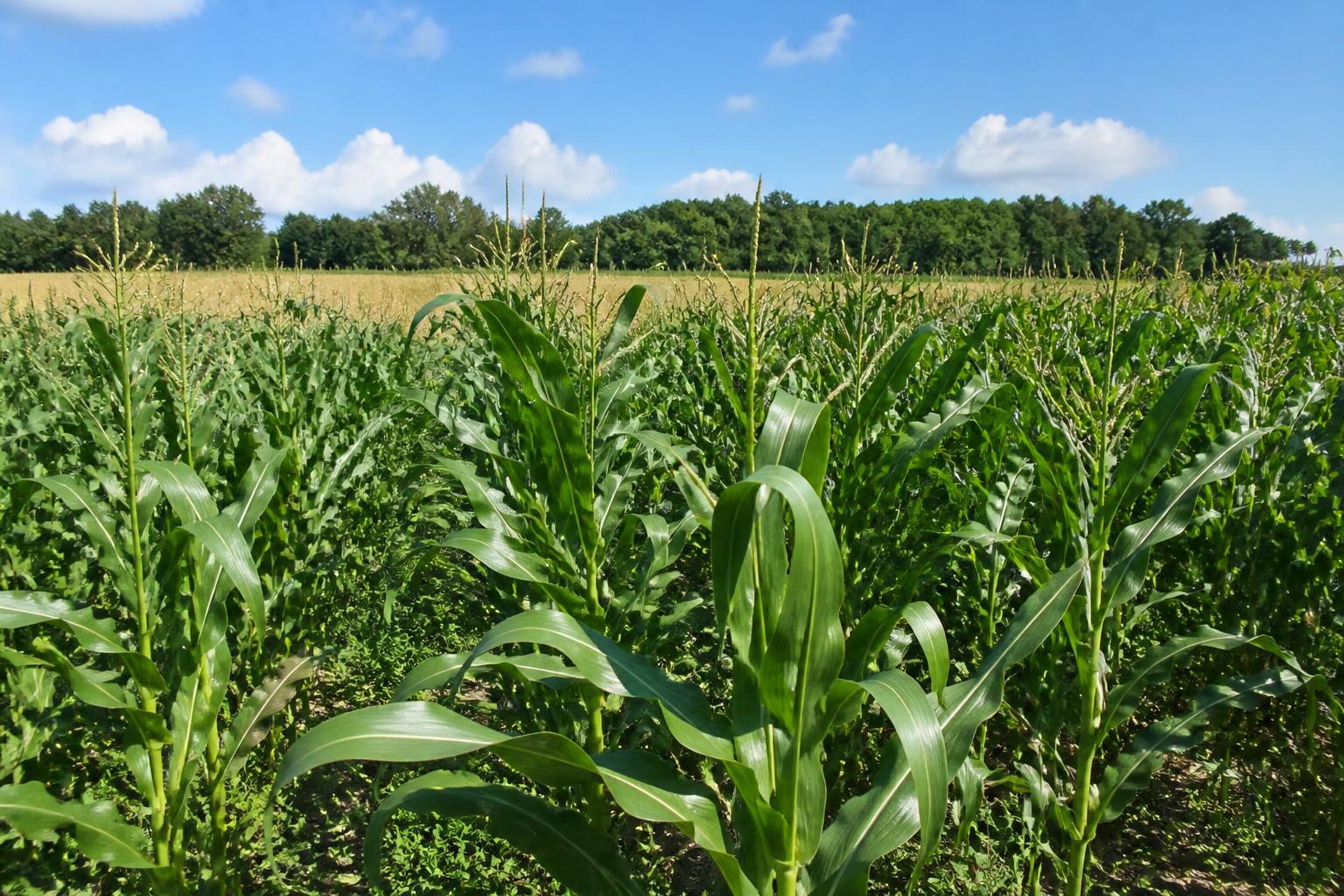
Alabama grain growers are navigating a complex summer landscape, balancing immediate crop conditions with broader market fluctuations. From the Tennessee Valley down to the Wiregrass region, local producers are managing summer heat while keeping a close eye on grain pricing. As global factors continue to influence corn and wheat values, modern forecasting techniques and unique crop niches are providing new pathways for local agribusinesses.
The Modern Edge in Grain Price Forecasting
Accessing reliable data remains a priority for Alabama growers aiming to optimize their marketing windows. Integrating modern technology, such as deep learning models for commodity price forecasting, is increasingly helping agribusinesses manage risk. Utilizing localized resources for tracking grain buyers, sellers and prices in Alabama allows farmers to make more informed decisions when timing their elevator deliveries or forward contracts.
By studying historical patterns and employing predictive algorithms, researchers are providing grain handlers with better tools to anticipate sudden market shifts. For local producers, this translates to improved timing on sales and more calculated hedging strategies during volatile trading seasons.
Alabama Heritage and Niche Markets
While commodity corn remains a staple, niche markets are carving out high-value opportunities in the state. For example, a local Alabama farm recently made headlines by reviving a 150-year-old family heirloom corn variety. This successful preservation highlights a growing consumer and culinary interest in heritage grains, which can command premium prices and offer a buffer against traditional market swings.
For growers looking to diversify, entering these specialty markets requires meticulous identity preservation and specialized logistics, but the economic payoffs can be substantial compared to standard yellow corn channels.
Managing Summer Logistics and Crop Stress
July heat often puts dryland crops under pressure, making irrigation management and timely field operations critical. Alabama's grain transportation network, including key highway corridors and barge terminals, must run efficiently to move the harvest. Growers can find detailed strategies for navigating these seasonal hurdles in our guide on the Alabama summer grain outlook and irrigation realities, which highlights crop marketing and pest management.
Key Takeaways for Alabama Growers
- Embrace Data-Driven Tools: Leverage deep learning and analytical forecasting to time seasonal sales.
- Explore Niche Cultivars: Heirloom and specialty grains offer high-margin alternatives to traditional commodity crops.
- Monitor Transport Corridors: Keep a close watch on local road weight limits and barge freight availability as harvest nears.
What it means for the market
For Alabama's grain sector, the combination of advanced predictive technology and localized niche market development represents a shift toward more resilient farm gate marketing. As traditional commodity margins face pressure from global logistics and weather uncertainties, diversification and data-focused selling will remain the primary tools for securing profitability this summer.
Comments
No comments yet - be the first to share your take.