
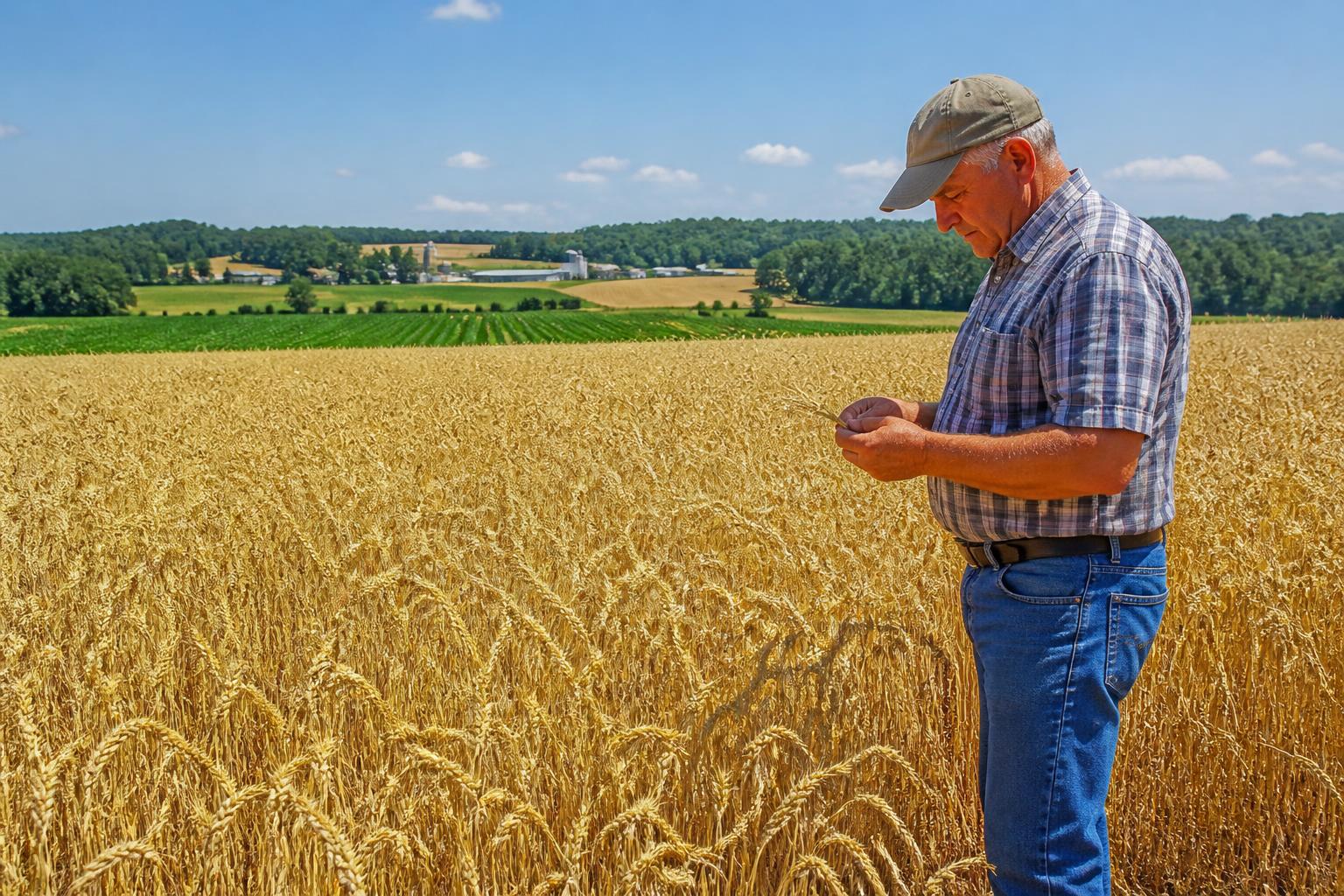
As summer settles across the Garden State, New Jersey grain growers and elevators are navigating a complex grid of global market pressures, local logistics challenges, and high-tech operational shifts. With major global ag giants like Cargill, Bunge, and Agrium driving global grain market development through 2026, local producers are finding new ways to optimize their yields and secure their supply chains during the peak summer growing season.
From the flat, fertile fields of South Jersey to the northern valleys, managing summer crops requires a careful balance of agronomic precision and sharp marketing. Producers are increasingly aligning their operations with broader commercial trends to maintain profitability in an evolving marketplace.
Global Grain Projections and Local Opportunities
The global grain farming market is witnessing significant structural growth leading into 2026, spurred by consolidated supply chains and rising demand. For local operators, this means looking beyond regional borders to understand international pricing dynamics. Local growers looking to sell grain in New Jersey need to monitor these shifting global trends, as export demand and major commodity movements directly influence cash bids at regional elevators.
USDA National Agricultural Statistics Service (NASS) data highlights the diverse mix of crops that define New Jersey agriculture. While the state is famous for its fresh produce, field crops like corn, soybeans, and winter wheat form the backbone of many multi-generational family farms. Current summer weather patterns require growers to stay vigilant regarding crop health and soil moisture levels to capture these strong market valuations.
High-Tech Operations and Security on the Farm
Modern grain farming relies heavily on high-value technology to maximize efficiency. However, this shift toward digitization has also brought new security concerns. A recent cargo theft investigation by the New Jersey State Police resulted in the recovery of 15 stolen agricultural drones, underscoring the growing value and vulnerability of high-tech assets in the state's agricultural sectors.
These sophisticated unmanned aerial vehicles (UAVs) are vital for crop scouting, field mapping, and optimizing chemical applications. Integrating such tools is essential for maintaining profitability, particularly when implementing summer input precision to counter fluctuating operating expenses and environmental variables. Protecting these physical and digital investments has become just as critical as protecting the crops themselves.
Logistics and Transportation Realities
Getting grain from New Jersey fields to regional processing hubs and coastal shipping terminals remains a complex puzzle. Growers face unique regional constraints, including heavy corridor traffic and competing land uses. In many coastal and central parts of the state, transport corridors are heavily congested during the summer tourism season, adding delays to typical grain transport routes.
Furthermore, ongoing New Jersey ag logistics challenges continue to impact grain moving to regional feed mills, showing how easily fuel price spikes and rail debates can squeeze margins. Ensuring a reliable hauling partner and understanding the latest freight dynamics is essential for secure delivery before the fall harvest rush begins.
Key Takeaways for New Jersey Growers
- Monitor Global Benchmarks: Track large-scale market indicators and global grain trends to time local cash sales effectively.
- Protect Farm Technology: Enhance security protocols for high-value assets like drones and precision guidance systems in light of rising cargo theft risks.
- Plan Summer Hauling Routes: Anticipate seasonal traffic delays on key agricultural corridors and establish firm logistics contracts early.
What it means for the market
For New Jersey's grain sector, the remainder of the summer season will demand operational vigilance and strategic risk management. As global grain markets project robust growth through 2026, local farmers who leverage precision technology, maintain tight security over their valuable equipment, and secure their transportation lanes early will be best positioned to capture premium prices and navigate the summer squeeze successfully.
Comments
No comments yet - be the first to share your take.