
As summer temperatures peak across the Southwest, agricultural producers in New Mexico are facing a complex array of crop protection and biosecurity challenges. From managing livestock health along the border to optimizing pesticide use in increasingly dry soils, staying ahead of seasonal risks requires proactive planning. Implementing rigorous summer crop protection and biosecurity strategies has become essential for preserving yield potential and herd health during these demanding months.
With high input costs pinching margins and changing environmental factors shifting pest dynamics, operations from the Pecos Valley to the southern border counties are focusing on targeted defense strategies. Successfully navigating this summer season requires balancing tight input budgets with robust biosecurity measures.
Biosecurity on the Border: New World Screwworm Defense
Livestock biosecurity is a high priority for New Mexico ranchers, particularly given the state's proximity to international shipping corridors and neighboring cattle-producing states. Recent bilateral discussions between Mexican and U.S. ranching groups have renewed focus on the New World screwworm (NWS), a devastating pest that targets warm-blooded animals. While eradication efforts have historically kept the pest at bay in North America, vigilance remains critical to prevent any potential reintroduction.
To protect herds, livestock managers are encouraged to inspect animals regularly for open wounds, which are prime targets for screwworm flies to lay eggs. Treating even minor abrasions immediately and monitoring livestock transport vehicles are key steps in maintaining a secure defense. In New Mexico's expansive rangelands, early detection is the most effective tool to prevent a localized issue from turning into a regional crisis.
Managing Crop Pests and Pollinator Protection in Dry Conditions
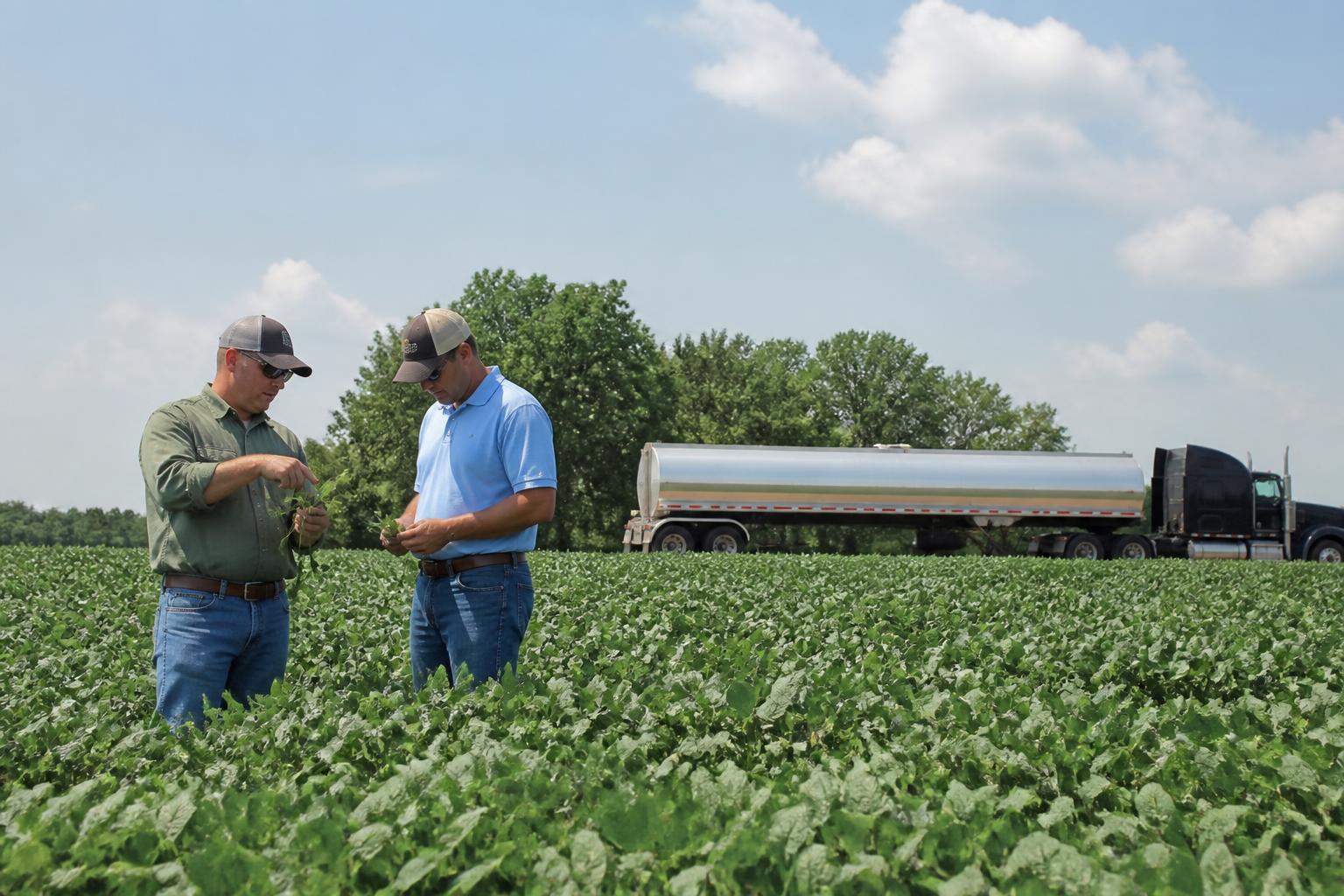
On the cropping side, New Mexico's arid summer environment creates a unique set of pest management demands. In dry years, traditional pest pressures can intensify as insects seek moisture from irrigated fields. This has forced growers to seek out innovative, highly targeted crop protection tools that minimize broader environmental impacts.
The agricultural industry is seeing some relief through long-term research breakthroughs, such as new insecticide options hitting the market after years of development. These modern formulas aim to provide target-specific control, which is increasingly important as state-level regulatory actions across the country shift toward protecting key pollinators. By adopting highly selective pest control measures, New Mexico farmers can safeguard their cash crops while maintaining compliance with evolving environmental standards.
Navigating High Fertilizer and Input Costs
Compounding these pest and disease pressures is the ongoing financial strain of high input prices. National surveys from organizations like the Farm Bureau show that a significant portion of producers find current fertilizer prices difficult to manage, driven in part by global supply disruptions affecting key products like urea.
In response, New Mexico growers are turning to precision agriculture practices. Rather than broad-spectrum applications, many are using soil testing and variable-rate technology to apply nutrients and protective inputs exactly where they are needed. This careful management not only helps stretch tight operational budgets but also reduces the risk of nutrient runoff, protecting local water resources during the dry summer months.
What it means for the market
For New Mexico's agricultural market, the current climate demands a shift from high-volume input application to highly precise, defensive management. Producers who invest time in rigorous animal inspections, select targeted crop protection formulas, and optimize their fertilizer usage are best positioned to withstand both seasonal pest pressures and tight market margins. Keeping a close eye on border biosecurity and regional transport standards will remain a critical safeguard for the state's livestock and cropping sectors alike.
Comments
No comments yet - be the first to share your take.