
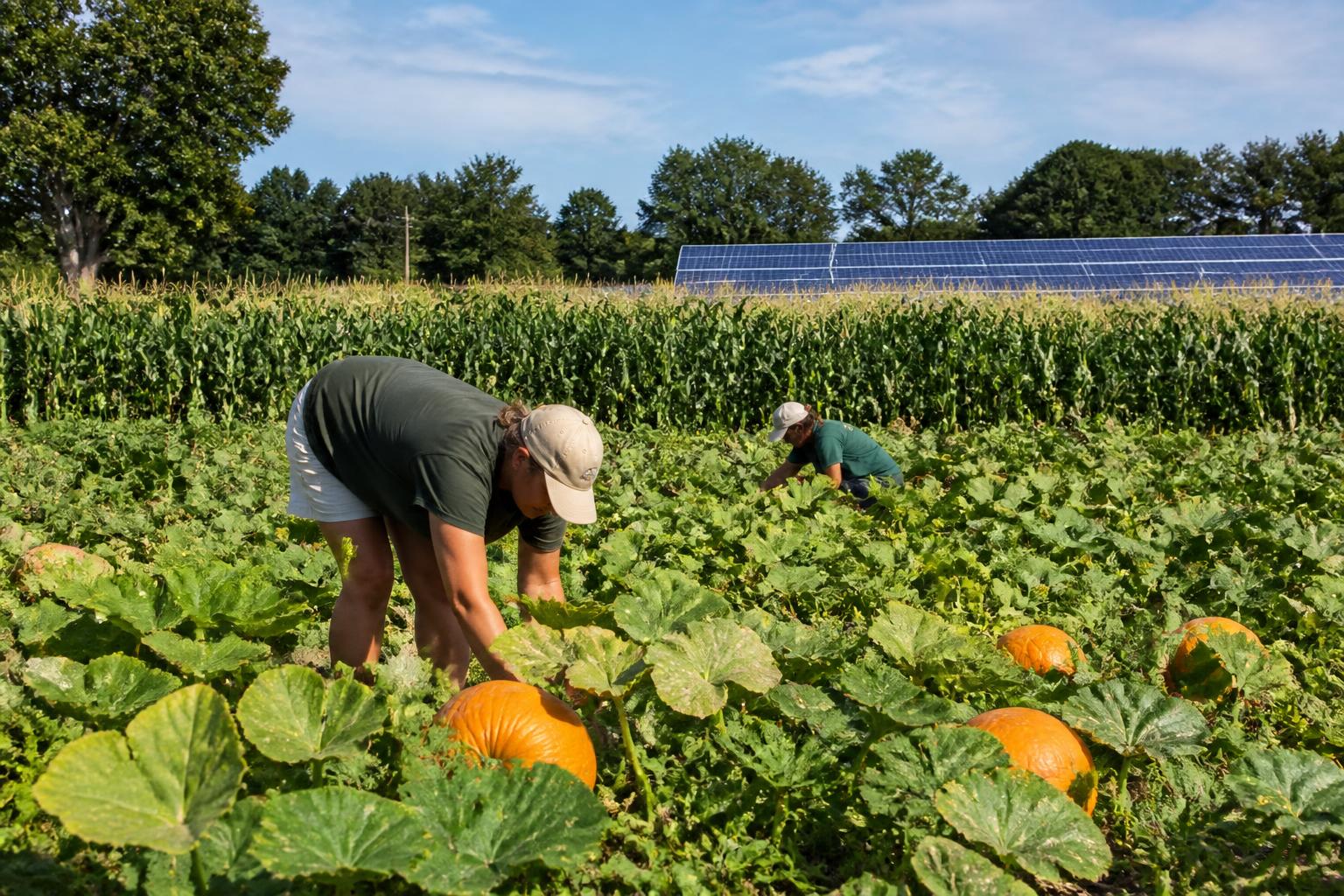
Rhode Island's agricultural sector is navigating a complex summer landscape shaped by local infrastructure projects, shifting energy policies, and volatile global input markets. From the coastal roads of Newport County to the shipping lanes of Providence, the state's growers, distributors, and logistics providers are adjusting their daily operations to keep pace with changing transport routes and market conditions.
As summer field operations peak, managing production costs and transport efficiency has become paramount. With major academic research underway and shifting policies surrounding regional energy projects, Rhode Island agribusinesses are finding new ways to optimize their supply chains and protect their margins.
Navigating Coastal Logistics and Bridge Construction
Transportation efficiency is a critical factor for Rhode Island agricultural logistics, particularly for moving fresh specialty crops, nursery stock, and summer inputs. The ongoing reconstruction of the Newport Pell Bridge approaches by the Rhode Island Department of Transportation (RIDOT) is altering typical traffic flows. For local farms, especially those operating agritourism ventures or transporting goods across the bay, these traffic adjustments require careful route planning to avoid delays during the busy summer tourism season.
Further north, maritime logistics remain key to the state's broader supply chain. Researchers at the University of Rhode Island (URI) College of the Environment and Life Sciences have been actively exploring maritime logistics at the Port of Providence. This deep-water port plays a vital role in importing and distributing bulk goods, which can ultimately influence regional transport costs for essential agricultural inputs. Efficient harbor operations and port-to-farm trucking corridors are essential for maintaining steady supply chains throughout the New England region.
Managing Fertilizer Volatility and Crop Inputs
On the input front, agricultural producers are facing familiar headaches as global fertilizer prices climb and supply risks rise. While local growers are carefully timing their soil applications, safety and cost management remain top priorities. This is especially true when handling bulk materials like ammonium nitrate, which requires strict adherence to safety protocols due to its association with industrial storage accidents worldwide. Additionally, growers are already weighing their upcoming nutrient strategies, comparing the benefits of fall versus spring phosphorus applications to maximize efficiency and minimize runoff.
To navigate these rising costs, local growers are finding strategic ways of managing volatile input costs in the peak summer season. Balancing these high costs with precise application rates is critical to maintaining profitability for Rhode Island's high-value specialty crops.
Research Milestones, Pest Monitoring, and Energy Transitions
Despite economic headwinds, the state's agricultural research sector is receiving a welcome boost. A Rhode Island researcher was recently awarded a $296,000 USDA grant for core plant research, providing critical funding that could help local growers improve crop resilience and yield. On the field management front, the Rhode Island Department of Environmental Management (RIDEM) continues to monitor pest pressures, including the presence of the Asian Tiger Mosquito (Aedes albopictus), reminding outdoor workers and farm managers to take necessary precautions during wet summer weeks.
Meanwhile, the state's broader energy landscape is undergoing rapid adjustments. While Brown University's large-scale solar project has recently come online to help drive net-zero goals, the federal government's cancellation of $679 million in funding for regional offshore wind projects has highlighted the shifting and sometimes unpredictable nature of the transition to renewable energy. These shifting energy investments may have long-term implications for land use, grid stability, and rural utility costs across the state.
What it means for the market
For Rhode Island agribusinesses, the summer of 2026 demands a highly adaptive approach. Transport delays around Newport highlight the need for localized logistics planning, while rising global fertilizer costs emphasize the value of precision nutrient management and local USDA research. Keeping a close eye on regional port activity at Providence and adjusting to shifts in the energy sector will help local operations remain competitive through the harvest season.
Comments
No comments yet - be the first to share your take.