
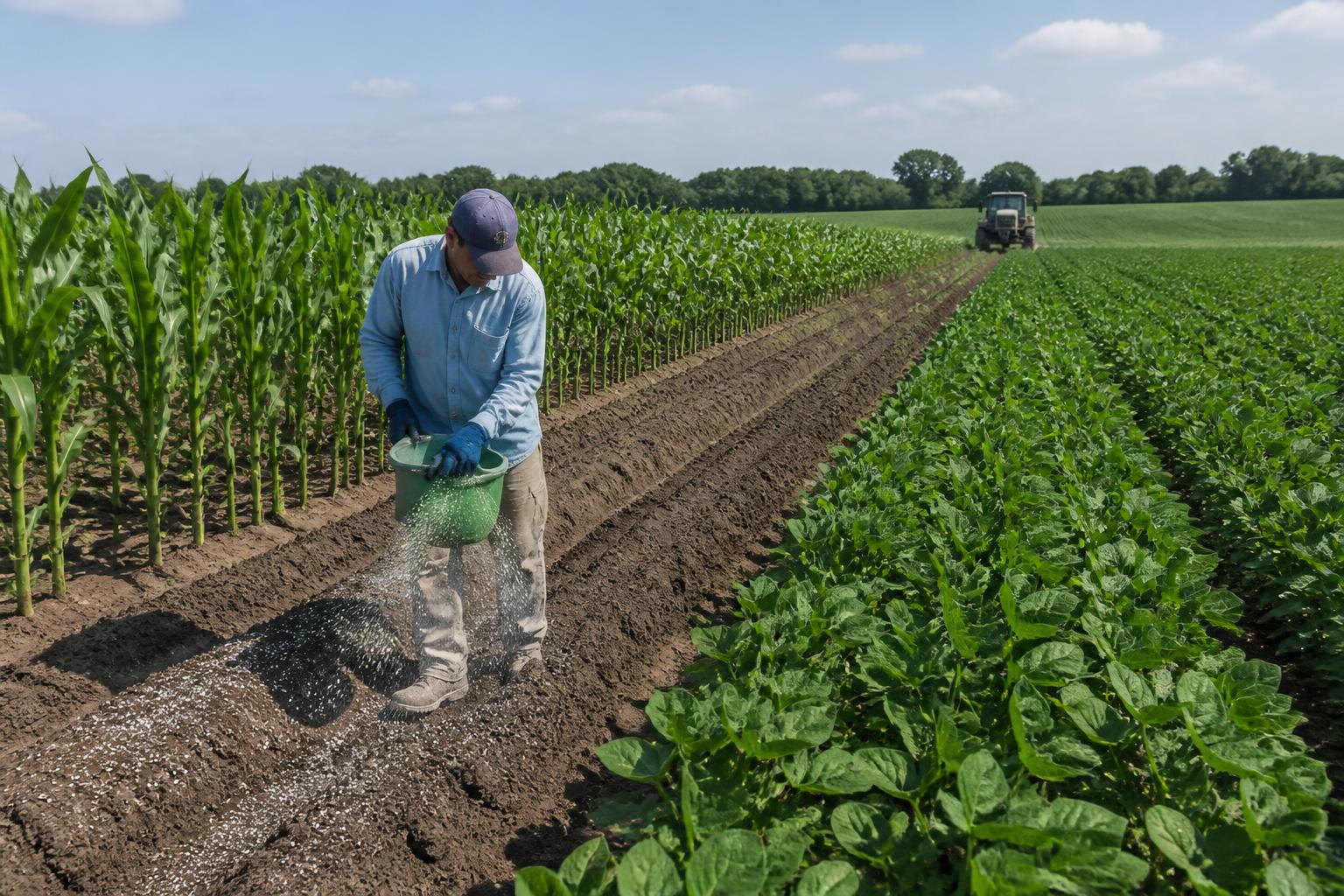
While regional field applications have transitioned into late-season monitoring, global market updates from major fertilizer producers suggest a complex pricing environment ahead. Companies like Mosaic have recently updated investors on financial pressures, reflecting wider volatility in the S&P 500 fertilizer peer group, while potash demand shifts continue to put suppliers like K+S on the radar of international market analysts.
Energy Market Friction Drives Production Costs
A primary driver of recent agricultural input volatility is the escalation of geopolitical tensions in key energy-producing regions, particularly involving U.S. and Middle Eastern dynamics. These escalations have pushed global crude oil prices upward, which directly impacts the manufacturing and transportation costs of synthetic fertilizers. Because nitrogen-based inputs are highly energy-intensive to manufacture, any prolonged pressure on the oil and natural gas sectors typically translates to higher retail prices at the distributor level.
For Delaware farmers, even as the Delaware fertilizer market stabilizes in some sectors, these macro factors are keeping buyers on alert. High fuel costs also elevate over-the-road freight rates, making regional truck deliveries across the Delmarva Peninsula more expensive during the busy summer haulage season.
Potash Dynamics and Regional Alternatives
On the potash side, global demand remains a focal point as mining firms balance output with shifting global import needs. While some international markets are actively seeking domestic fertilizer alternatives to hedge against logistics bottlenecks, Delmarva growers have long leveraged unique regional advantages. The state's massive poultry industry provides a steady, local supply of broiler litter, which many grain operations utilize to supplement their macro-nutrient needs and offset the high costs of imported synthetic potash and phosphates.
However, commercial corn and soybean operations still rely heavily on precision commercial applications, following the much-needed nitrogen relief after a wet spring earlier this year. As local crops mature under the hot summer sun, agribusinesses are evaluating whether to secure their post-harvest requirements now or risk further price hikes if energy markets experience additional disruptions.
Logistics and Summer Planning in Delaware
Local logistics play an equally vital role in Delaware's input pricing. Supply lines moving through regional shipping hubs and distributed along key corridors like Route 13 and Route 113 face seasonal pressure. With summer tourism traffic sharing the roads and grain haulers preparing for the upcoming fall harvest, scheduling timely deliveries of fertilizer inputs requires proactive coordination with local cooperatives.
Agronomists suggest checking in with local retail suppliers to assess storage capacity and inventory levels. Securing product ahead of the post-harvest rush can shield growers from localized transport delays and sudden regional price spikes.
What it means for the market
For Delaware agribusinesses and farmers, the current summer lull in active field application is the ideal window to evaluate input budgets. While international supply chains remain sensitive to geopolitical friction and energy market spikes, leveraging local organic resources like poultry litter alongside strategic, early-season synthetic bookings will be the key to managing bottom-line risks heading into the fall.
Comments
No comments yet - be the first to share your take.