
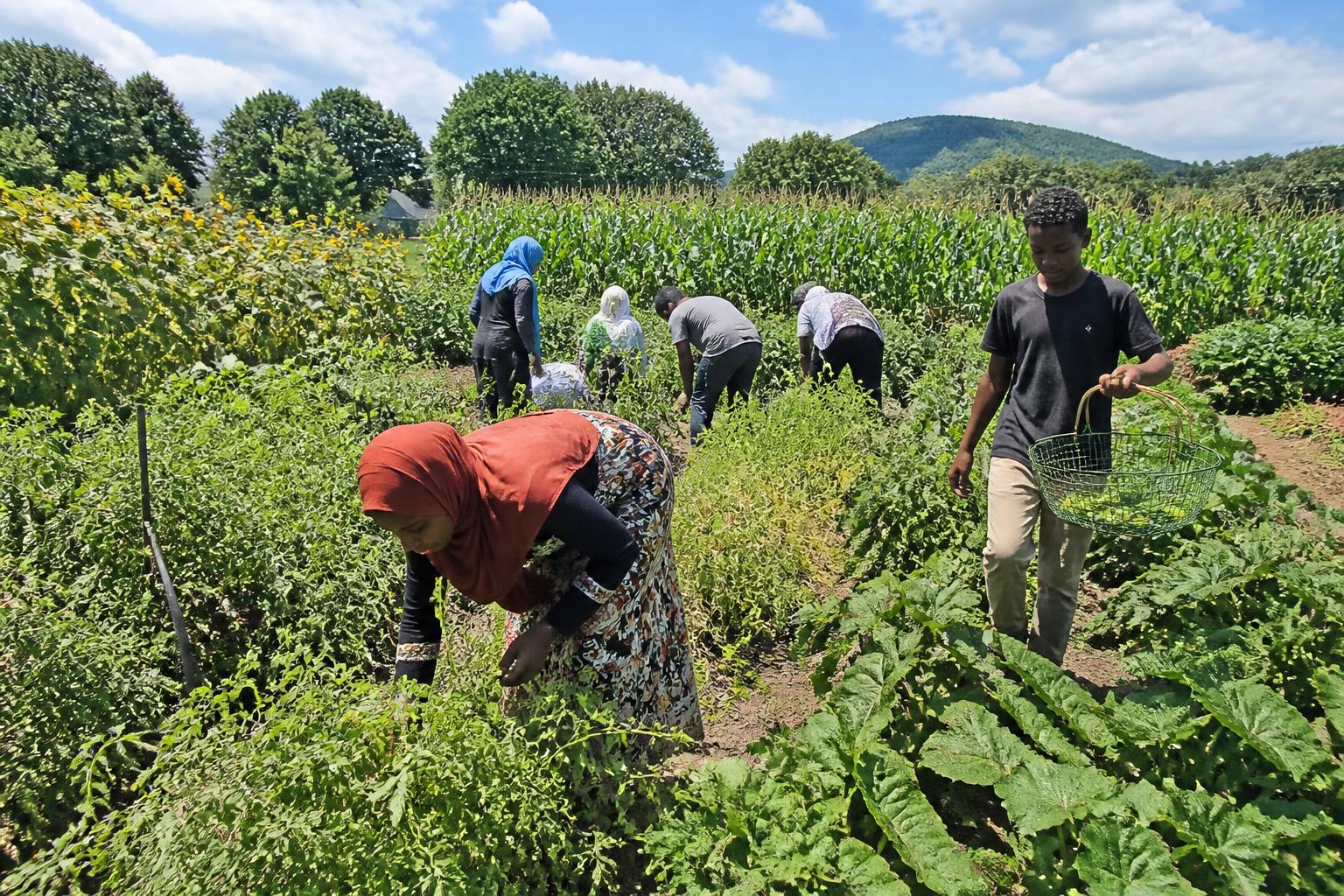
As mid-summer settles across New England, agricultural producers in New Hampshire are facing the annual challenge of safeguarding their crops from pests, fungal pathogens, and unpredictable weather. From the orchards of Hillsboro County to the vegetable fields of the Connecticut River Valley, regional growers are increasingly turning to innovative, sustainable crop protection methods to protect yields while minimizing environmental impact.
With recent federal funding and state-level research initiatives targeting climate-resilient agriculture, the Granite State is becoming a testing ground for unique biological solutions and high-tech scouting tools. These developments are helping local farms adapt to shifting seasonal pressures and maintain viable operations during the peak growing months.
Repurposing Seafood Byproducts to Fight Apple Scab
Apple scab remains one of the most persistent and costly fungal threats for New Hampshire orchardists. Traditionally, managing this disease requires frequent fungicide applications throughout the spring and summer. However, researchers at the University of New Hampshire (UNH) are exploring a novel, circular-economy solution: utilizing seafood industry byproducts to suppress the disease.
By converting waste materials from regional fisheries into organic soil amendments and foliar treatments, scientists aim to trigger the natural defenses of apple trees. This research not only offers a potential reduction in synthetic chemical inputs but also builds a valuable link between the Gulf of Maine's seafood sector and the state's fruit growers. If successful, this organic management tool could significantly lower input costs for orchards while appealing to eco-conscious consumers.
High-Tech Crop Scouting: Drones in the Field
Early detection is the cornerstone of effective crop protection, and New Hampshire produce growers are gaining a new perspective on pest management through aerial drone technology. Deploying unmanned aerial vehicles (UAVs) allows farm managers to scout fields rapidly, identifying localized stress, nutrient deficiencies, or pest outbreaks before they spread widely.
Drone-based scouting minimizes the need for labor-intensive manual inspections across large acreage. By capturing high-resolution multispectral imagery, these devices highlight areas of concern that are invisible to the naked eye. This precision allows growers to spot-treat affected zones rather than applying broad-spectrum protective sprays across entire fields, reducing overall chemical use and saving on material costs.
A Shift Toward Sustainable and Climate-Resilient Agriculture
The integration of these advanced technologies aligns with broader structural changes across New Hampshire's agricultural sector. According to data from the latest USDA Census of Agriculture, local farmers are steadily moving toward more sustainable agricultural practices. This shift is being supported by new funding channels, including a USDA grant awarded to UNH to boost climate-resilient farming practices, as well as the UNH Agricultural Experiment Station's newly established CREATE grants, which promote multidisciplinary scientific research.
As Granite State growers navigate changing weather patterns, integrating these systems builds on previous efforts in managing dry summer conditions and emerging threats across the region's diverse microclimates. By combining biological defense mechanisms with real-time field data, operations can better withstand erratic summer weather patterns.
Key Takeaways for New Hampshire Growers
- Biological Innovations: Keep an eye on ongoing UNH trials using marine byproducts, which could offer an organic, locally sourced alternative for apple scab suppression.
- Targeted Interventions: Consider adopting drone technology or localized scouting services to optimize chemical application timing and reduce overall input expenses.
- Grant Opportunities: Leverage resources and technical assistance stemming from recent USDA and UNH Agricultural Experiment Station funding aimed at climate resilience.
What it means for the market
For New Hampshire's agricultural market, the adoption of sustainable crop protection technologies represents a critical step toward long-term financial and environmental viability. By reducing reliance on volatile global synthetic chemical supply chains and utilizing regional circular solutions like seafood byproducts, local farms can better stabilize their input costs. Furthermore, as consumers continue to demand sustainably grown, local food, farms that successfully integrate drone precision and organic biologicals will likely secure a competitive edge in regional retail and wholesale markets this summer and beyond.
Comments
No comments yet - be the first to share your take.