
As the summer season progresses across New England, Vermont agricultural producers are navigating a transformed regulatory and cultural landscape. From the dairy pastures of Addison County to the diversified fields of the Champlain Valley, local agribusinesses are adjusting to new operational realities. These changes come at a time when consumer preferences, safety standards, and community representation are taking center stage in the state's agricultural narrative.
Two major developments are defining this summer in Vermont: a historic, nation-first ban on a highly-publicized crop protection input, and a state-wide celebration of the women who power local food production. Together, these highlights show a farming sector that is rapidly adapting to modern social and environmental expectations.
The First-in-the-Nation Paraquat Ban
Vermont has officially become the first state in the country to ban paraquat, a widely used chemical weed killer that has been linked to Parkinson's disease. This regulatory move marks a significant departure from federal standards and places Vermont at the absolute forefront of restrictive input policies. For local growers, the elimination of this active ingredient means searching for alternative chemical or mechanical weed control solutions.
The ban is expected to influence crop management practices, particularly for those growing corn, soybeans, or small grains. While alternative herbicides remain available, they may require different application schedules or carry higher price tags, adding to the seasonal cost of production. To understand how local operators are pivoting, agribusinesses can read about how the Vermont grain sector navigates landmark paraquat ban policies and adjusts to regional market constraints.
Celebrating Vermont's "FarmHers"
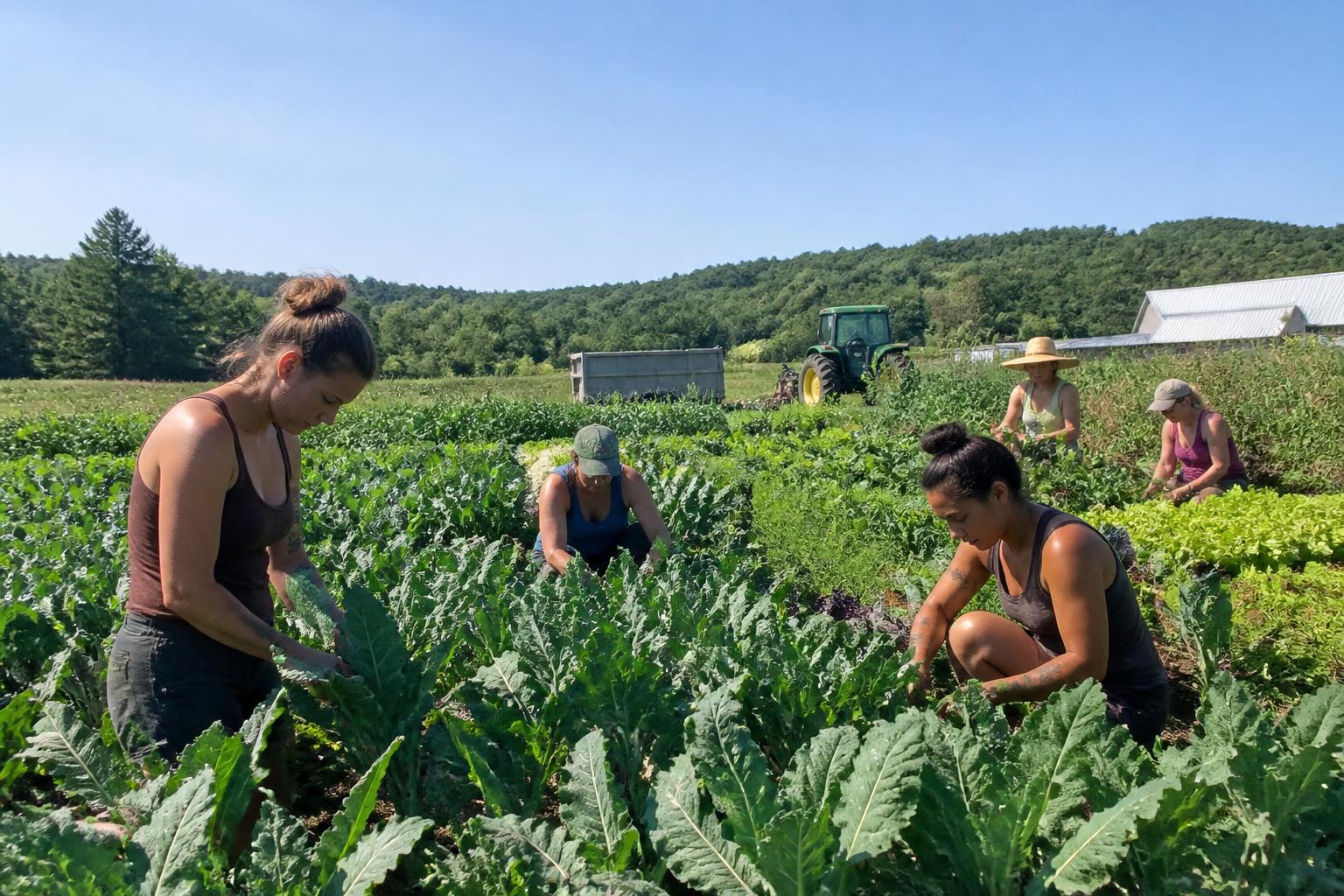
While regulators focus on crop inputs, the cultural fabric of Vermont's farming community is also in the spotlight. A new roving exhibit is traveling across the state to highlight Vermont "FarmHers," celebrating the critical role that women play in the local agricultural economy. From managing multi-generational dairy herds to pioneering organic vegetable operations, women represent a dynamic and growing segment of the state's farming workforce.
This roving showcase brings visibility to the diverse, small-scale, and community-focused business models that define Vermont's rural areas. By focusing on these stories, the state hopes to encourage more young and first-generation farmers to enter the sector, which could help address long-term labor and transition challenges in the region.
Key Takeaways for Vermont Agribusinesses
- Regulatory Leadership: Vermont's decision to ban paraquat sets a precedent that other northeastern states may watch closely.
- Input Management: Grain and forage growers must work with their crop advisers to source compliant, effective alternatives for weed control.
- Diverse Workforce: The visibility of women-led agricultural enterprises highlights the state's shift toward diversified, high-value specialty crops and direct-to-consumer sales.
What it means for the market
For chemical distributors and agricultural input buyers, the paraquat ban represents an immediate shift in inventory demand. Suppliers must quickly phase out banned products and secure reliable alternatives to ensure local farmers do not face yield losses this summer. Meanwhile, the growing prominence of diversified, community-focused farms highlighted by the FarmHers exhibit suggests that Vermont's agricultural economy will continue to lean into local branding, organic practices, and niche markets to offset the volatile commodity pricing seen in broader regional markets.
Comments
No comments yet - be the first to share your take.