
As summer temperatures climb across Montana, grain and pulse growers from the Golden Triangle down to the Gallatin Valley are turning their attention to late-season crop protection. Securing yields against aggressive weed flushes, regional pests, and soil moisture depletion requires a deliberate mix of traditional land stewardship and emerging agriscience. With production margins remaining tight, farmers are seeking highly efficient, localized solutions to protect their investments before the upcoming harvest.
Protecting the state's diverse cropping systems-spanning spring wheat, barley, lentils, and dry peas-demands a proactive approach. Producers are navigating volatile weather patterns and shifting biological pressures by looking at both genetic resilience and targeted field management to keep their crops healthy through the warmest months of the year.
Low-Cost Innovations and Soil Protection
As growers search for economical ways to shield their fields, unexpected research is offering new avenues for pest control. For instance, recent studies from the Oregon State University Extension Service suggest that simple bread dough can serve as a highly effective, low-cost bait for managing slug populations. While traditionally a regional issue in wetter climates, such creative, low-cost biological solutions appeal to Montana growers looking to keep crop protection expenses to a minimum.
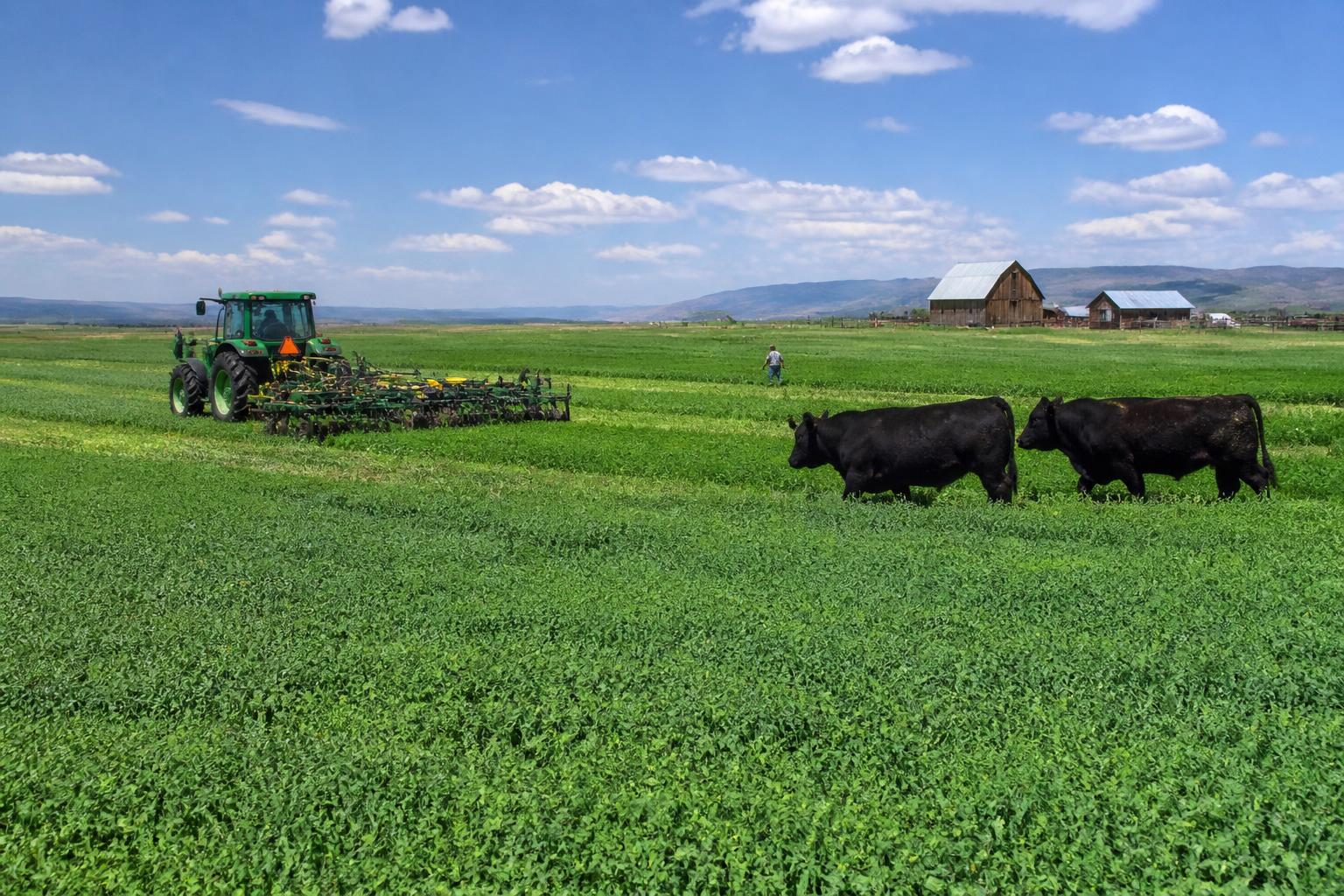
On a broader scale, soil protection remains a top priority during the dry summer months. Producers are taking a closer look at cover crops to shield the soil surface from intense heat, suppress late-emerging weeds, and retain critical moisture. By keeping the ground covered, farmers can naturally disrupt weed lifecycles and improve soil structure, reducing the overall reliance on heavy chemical interventions.
Adapting Crop Genetics for Natural Resistance
Crop protection begins long before the sprayer hits the field. Genetic resistance is proving to be one of the most reliable shields against environmental and biological stress. Given Montana's status as a leading producer of pulse crops, local research focused on identifying the best lentil varieties for specific regional microclimates is helping farmers select seeds with built-in defenses against soil-borne pathogens and drought.
By planting highly adapted, fortified seed varieties, growers can mitigate the risk of early crop failure. These resilient cultivars require fewer protective chemical applications throughout the summer, lowering both operational costs and the environmental footprint of the farm.
Precision Spraying and Stewardship
When chemical crop protection is necessary, precision is critical to avoid off-target movement and resistance. Montana producers are carefully balancing weed eradication with overall crop safety. Utilizing precision application tactics to manage high input costs ensures that inputs are targeted specifically where weeds are active, minimizing waste and reducing chemical exposure for the primary crop.
Furthermore, integrating next-generation herbicide options with strict stewardship protocols is essential to combat herbicide resistance in tough species like kochia and wild oats. Adopting nozzle technologies that minimize drift and spraying only during optimal weather windows protects neighboring crops and maintains the efficacy of current crop protection tools for future seasons.
Key Takeaways for Montana Growers
- Integrate Cultural Practices: Utilize cover crops to suppress weeds and retain soil moisture during peak summer heat.
- Prioritize Crop Genetics: Select lentil and grain varieties bred specifically for local climate resilience and natural disease resistance.
- Optimize Chemical Efficiency: Deploy precision spraying technologies to reduce overall input volume and prevent drift onto sensitive adjacent fields.
What it means for the market
Efficient summer crop protection is directly tied to the final marketable volume and quality of Montana's agricultural exports. As global buyers demand high-quality, sustainably grown grains and pulses, growers who successfully combine genetic selection, precision technology, and soil health practices will be best positioned to protect their yield potential. Minimizing input waste while maximizing weed and pest control will ultimately determine farm profitability as the state prepares for the transition into the summer harvest season.
Comments
No comments yet - be the first to share your take.