
As summer heat settles across the Empire State, agricultural producers from the fertile soils of Western New York to the orchards of the Hudson Valley are facing the critical peak of the growing season. With warm weather driving insect populations and moisture encouraging fungal diseases, effective crop protection has become the top priority for New York growers. Implementing precise management strategies is essential to defend yield potential before the fall harvest begins.
The Digital Shift in Integrated Pest Management
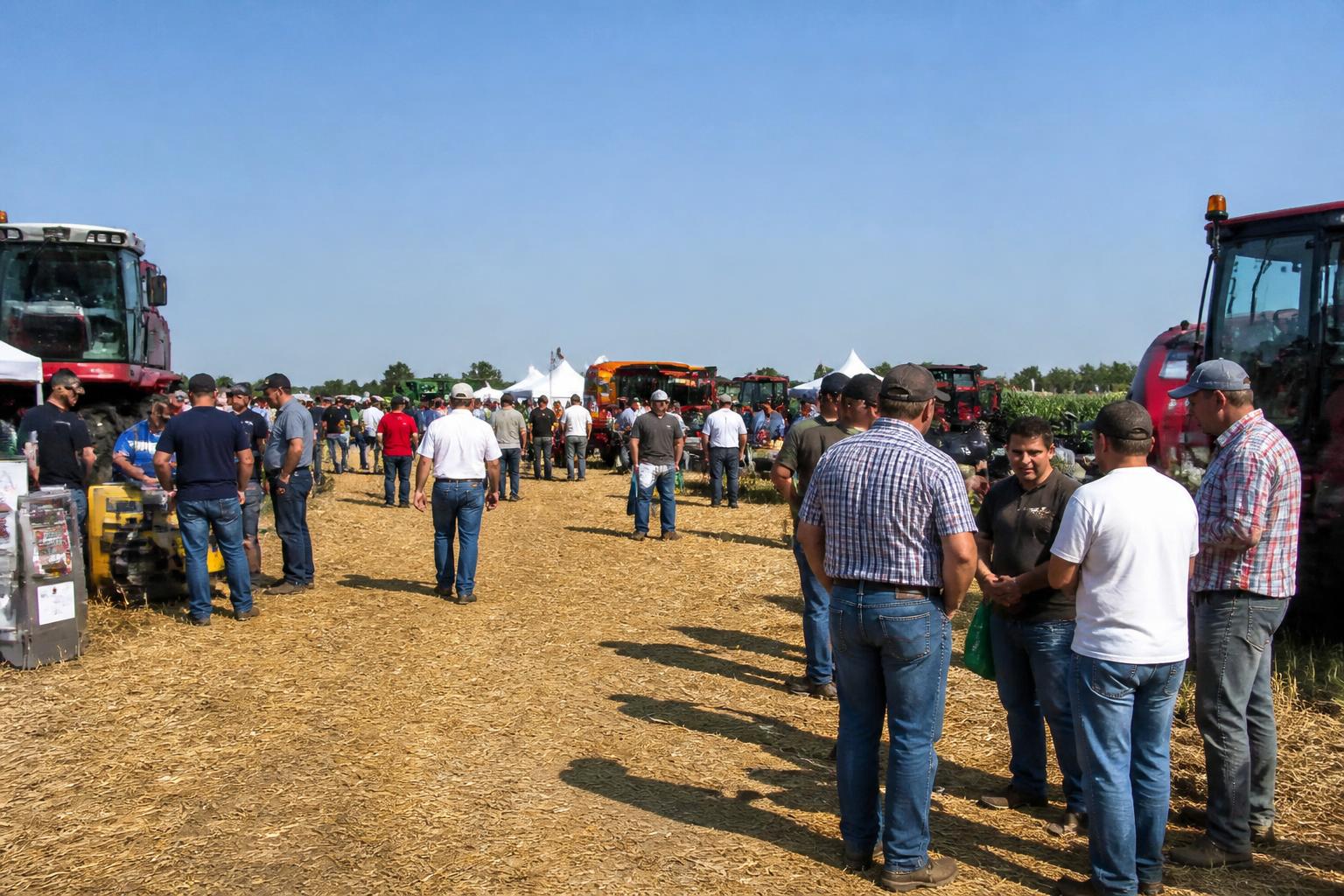
Modern pest control is rapidly moving beyond uniform, field-wide spray applications. Digital transformation is reshaping how New York farmers approach Integrated Pest Management (IPM). Technologies highlighted at regional agricultural events, such as the New York Farm Show, demonstrate how sensor-based scouting and localized mapping allow for micro-targeted treatments.
These digital tools analyze localized field data to predict pest outbreaks, helping growers apply inputs only where and when they are absolutely necessary. This smart approach not only reduces input costs but also plays a key role in safeguarding pollinators and yields in Summer 2026 by minimizing chemical drift and exposure.
Biological Alternatives Gain Traction in New York Fields
As regulatory environments shift and chemical resistances develop, biological crop protection tools are moving from niche products to mainstream solutions. Researchers and agronomists are increasingly focusing on microbial solutions, such as leveraging Pseudomonas species to fight off soil-borne pathogens and boost plant immunity.
For New York dairy and cash crop producers, integrating these biological options into their crop protection rotation offers a sustainable method to protect delicate root systems and leaf tissue. These solutions are proving highly valuable in regions like the Finger Lakes and the Champlain Valley, where farmers must balance high productivity with strict watershed protection standards.
Navigating Financial Pressures and Farm Policy
Adopting new crop protection technologies requires capital, which can be difficult to secure during times of market volatility. Policy debates, including the progress of the federal Farm Bill in the House, continue to create uncertainty around conservation program funding and crop insurance limits.
To help offset these challenges, New York has introduced a 30 million dollar program designed to compensate farmers for tariff-related costs. Managing these economic hurdles is critical for operations planning their summer and fall input budgets, especially when balancing pest management costs with crop sales, as highlighted in the latest New York grain market brief.
Key Summer Takeaways for NY Growers
- Digital IPM is key: Using targeted application technology reduces overall chemical volumes while maintaining protective efficacy.
- Biological options expand: Microbial treatments like Pseudomonas provide reliable, low-residue options for disease management in sensitive soils.
- State financial relief: Utilizing New York's 30 million dollar tariff mitigation fund can offer a timely cash cushion for high input expenses this season.
What it means for the market
Effective mid-summer crop protection will dictate the quality and volume of the upcoming fall harvest across New York state. By balancing high-tech precision tools with biological treatments, growers can insulate themselves from both crop losses and soaring chemical prices. Agribusinesses and retailers who offer localized, data-driven pest management advisory services will likely see the strongest partnership opportunities with local farms this season.
Comments
No comments yet - be the first to share your take.