
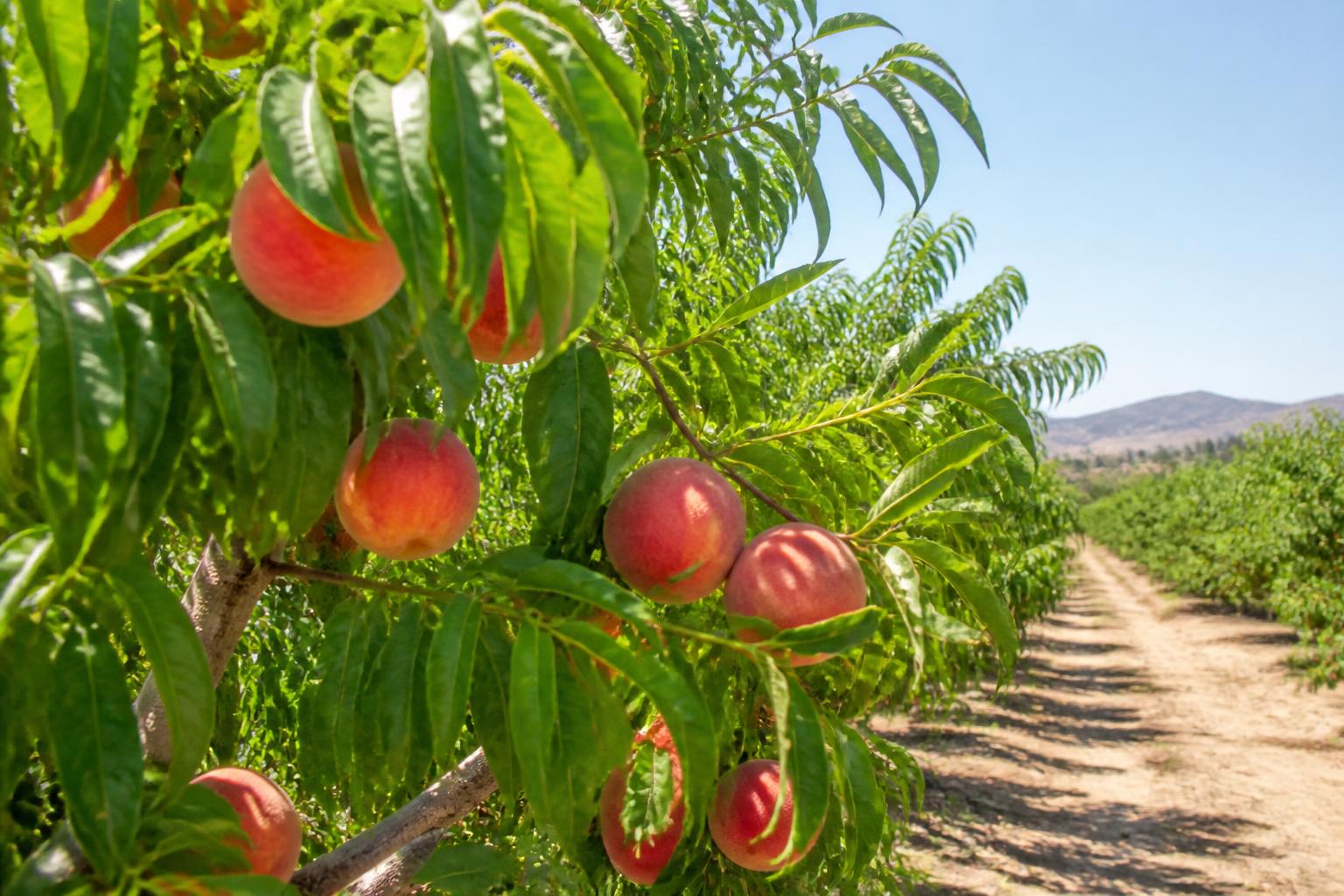
As California enters the peak of the dry summer harvest season, agricultural operations across the Central Valley are navigating an increasingly complex regulatory landscape. Beyond the constant pressures of water management under the Sustainable Groundwater Management Act (SGMA), crop protection has taken center stage this July. New regulatory shifts, including the removal of carbaryl insecticide products from retail shelves, underscore the tightening oversight on traditional chemical inputs across the state.
Retail Phase-Out of Carbaryl and Shifting Chemistry Access
The recent removal of carbaryl-based insecticide products from retail store shelves in California highlights a broader trend of restricting widely used chemistries. While commercial growers still have access to restricted-use options under strict reporting and permit guidelines, the retail ban signals a shrinking buffer of traditional pest control options. For smaller operations, specialty growers, and those bordering urban-agricultural interfaces, this retail phase-out forces a pivot toward alternative chemical classes and biological solutions.
This shifting chemical availability comes at a time when input costs remain top of mind. To keep operational expenses manageable, many growers are re-evaluating their spray programs and chemical purchases, drawing parallels to how they manage summer price volatility and input fluctuations in the fertilizer sector.
The Compliance Squeeze in the Central Valley
California’s strict regulatory framework continues to impact day-to-day operations in major growing regions like the San Joaquin and Sacramento Valleys. From stringent tractor emission standards to pesticide runoff restrictions, growers of high-value crops like almonds, pistachios, peaches, and grapes are carrying a heavy administrative and financial compliance burden.
During the busy summer months, coordinating spray schedules with harvest crews and strict pre-harvest intervals (PHIs) requires precise management. Any disruption in chemical access or sudden regulatory updates can delay harvesting schedules, complicating summer harvest logistics and tech innovations that farmers rely on to maintain crop quality and transport efficiency.
Low-Water Crop Alternatives and Evolving Pest Profiles
As SGMA implementation continues to restrict groundwater pumping, some California producers are looking beyond traditional crops to low-water alternatives like camelina to avoid leaving acreage fallow. While these alternative crops offer a way to keep land productive with minimal water, they also present new agronomic challenges. Introducing new crop types into a region changes the local pest dynamics, requiring crop advisors to develop fresh integrated pest management (IPM) protocols to protect these low-water plantings without relying on heavily regulated, traditional pesticides.
Key Takeaways for California Growers
- Monitor Local Chemical Retailers: Ensure your pest control advisers (PCAs) are fully aware of recent state-level retail bans and commercial application restrictions.
- Invest in Targeted IPM: Shift focus toward targeted biologicals and precision application technologies to reduce reliance on chemistries facing regulatory phase-outs.
- Coordinate Input Logistics Early: With tight application windows and strict pre-harvest intervals, secure alternative crop protection products well ahead of planned spray dates.
What it means for the market
California’s aggressive regulatory stance on crop protection products like carbaryl is accelerating a structural shift toward biological controls, targeted IPM, and low-input alternative crops. For agricultural retailers, distributors, and growers, staying ahead of chemical phase-outs and regulatory compliance deadlines is no longer just about environmental stewardship - it is a core business survival strategy in a highly restricted marketplace.
Comments
No comments yet - be the first to share your take.