
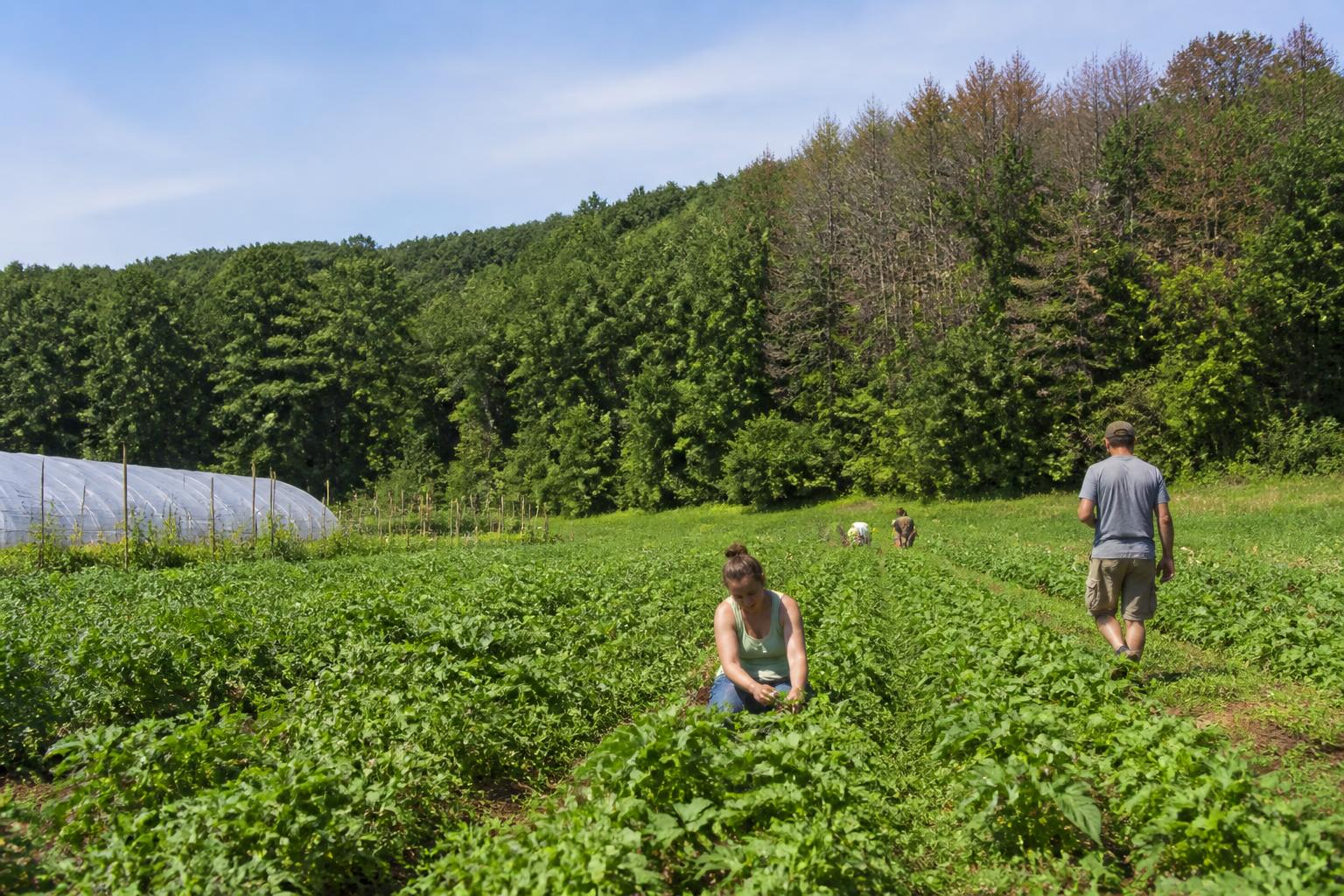
As summer settles over Connecticut, agricultural producers and woodlot owners are navigating a complex landscape of ecological protection and delayed financial relief. Growers across the state, from the Connecticut River Valley to the hills of Litchfield County, are balancing immediate pest management needs with long-term business survival.
On the ground, land managers are dealing with invasive biological threats that disrupt both timberlands and livestock pastures. Meanwhile, local agricultural advocates and lawmakers continue to push federal agencies for administrative resolutions to ease the financial strain caused by extreme weather and flawed program valuations.
The Multi-Front Battle Against Invasive Species
Biological preservation has become a primary focus for Connecticut land managers this season. Forestry and farm operations are actively combatting an invasive beetle species that has already devastated millions of trees across the state. This pest threatens not only commercial timber supplies but also critical windbreaks and shaded areas used by livestock.
Simultaneously, researchers and land management specialists are emphasizing the ecological link between invasive Japanese barberry and public health. This dense, invasive shrub creates a humid microclimate that acts as an ideal sanctuary for blacklegged ticks, which carry Lyme disease. Clearing barberry from pasture edges and woodlots is proving to be a highly effective method for reducing local tick populations, protecting both farm labor and grazing livestock from tick-borne illnesses.
Adaptive Summer Field Management and Protection
To control these ecological pressures, Connecticut operations are adopting targeted clearing and monitoring practices. Farmers are utilizing modern tools to inspect hard-to-reach boundaries, integrating new methods highlighted in recent updates on Connecticut crop protection technologies to optimize their field maintenance programs.
Controlling invasive brush and maintaining clean borders also aligns with summer nutrient and soil maintenance schedules, as outlined in discussions regarding Connecticut fertilizer management strategies. Removing competing invasive vegetation helps preserve soil moisture and ensures that nutrients remain available for productive crops and forage.
Flawed Appraisals and the Wait for Federal Relief
While physical protection of the land remains a daily chore, financial protection is also top of mind. Connecticut farmers and state lawmakers have actively pressed federal authorities for relief following a series of flawed agricultural appraisals. These administrative errors left many growers with inaccurate disaster valuations, delaying much-needed support after damaging weather events.
Hope rests on a substantial federal package. Congress previously allocated $53 million for Connecticut farmers, and the USDA Secretary has recently indicated that this funding is finally "at the finish line." For many local operations, the arrival of these funds is critical to offset the mounting costs of labor, inputs, and invasive species control.
Key Takeaways for Connecticut Operators
- Target Barberry Infestations: Eradicating invasive barberry along field borders significantly reduces tick habitats, improving safety for livestock and field workers.
- Monitor Woodlots: Keep a close eye on ash and other vulnerable tree species for signs of beetle damage, which can rapidly compromise farm woodlots.
- Track Relief Progress: Stay in contact with local USDA Service Centers as the $53 million allocation nears final distribution to address appraisal discrepancies.
What it means for the market
For Connecticut's agricultural sector, the current summer season represents a period of defensive management. The convergence of invasive pest pressures and delayed federal assistance means operating margins remain tight. However, the anticipated release of the federal aid package, combined with aggressive land management, should bolster long-term resilience. Agribusinesses that proactively manage their perimeter vegetation and keep pressure on regulatory channels will be best positioned to stabilize their operations heading into the fall harvest.
Comments
No comments yet - be the first to share your take.