
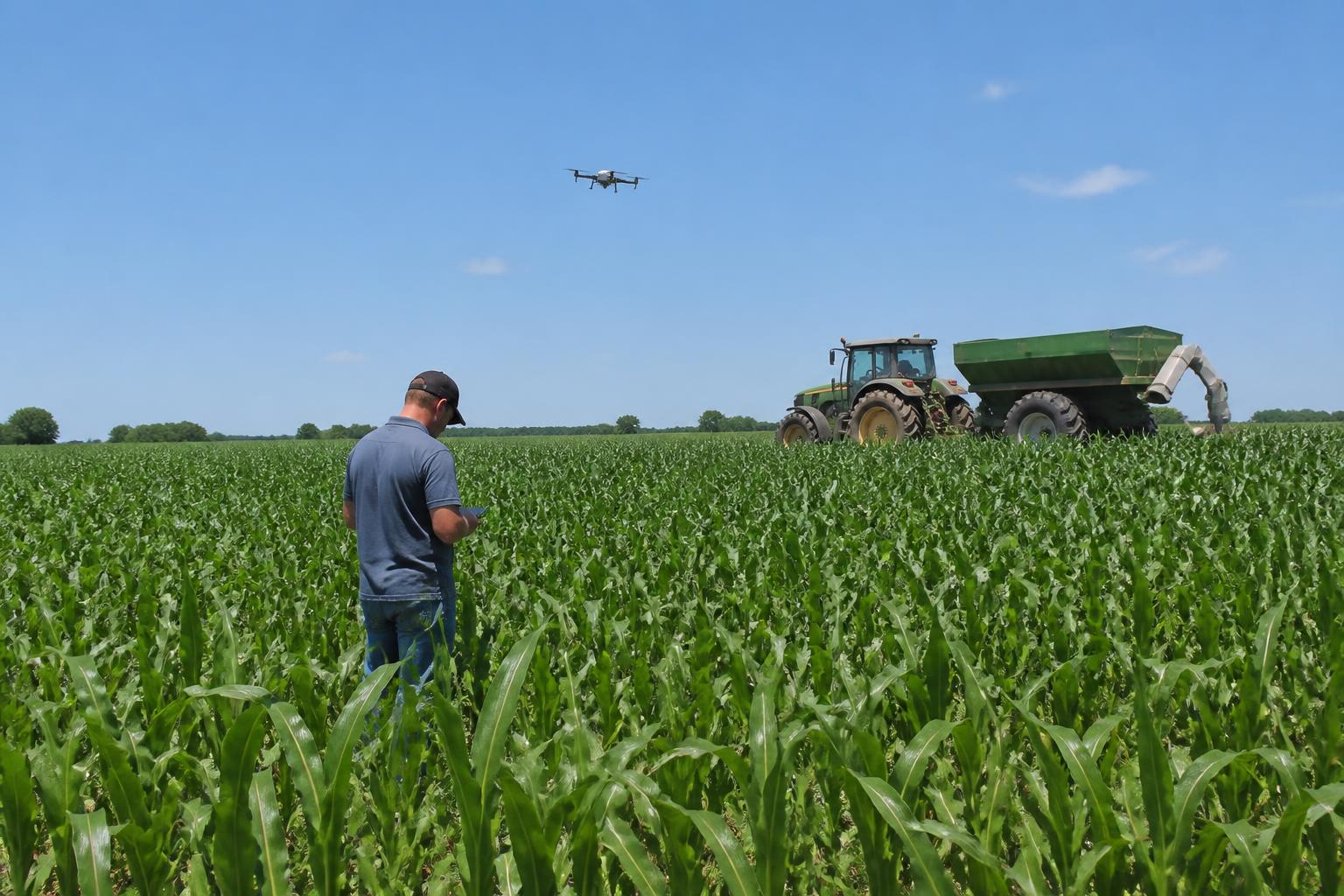
As mid-summer settles across Iowa's vast corn and soybean fields, agricultural operators are navigating a critical window for crop protection. Balancing the need to manage late-emerging weeds and potential pests with strict application guidelines remains a top priority. From the drift-sensitive crop areas of eastern Iowa to the rolling hills of the western counties, farmers are evaluating new application technologies and attending mandatory training sessions to protect both their yields and their neighbors' crops.
Precision Application and the Drone Adoption Curve
Unmanned aerial vehicles (UAVs), commonly referred to as spraying drones, have generated significant interest across the state as a tool for targeted crop protection. While drone use continues to see steady growth, many Iowa farmers remain uncertain about fully integrating them into their seasonal spray programs. Concerns often center on initial capital investments, battery life, payload capacities, and the learning curve of operating these systems safely under variable summer wind conditions.
Despite these hesitations, aerial drones offer unique advantages. They can apply fungicides or insecticides late in the season without damaging the tall corn canopy, and they allow for field entry when wet soils prevent heavy ground rigs from operating. As field testing continues, technology providers are working to demonstrate the economic return on investment for skeptical growers.
Dicamba Compliance and Applicator Training
With summer application windows in full swing, spray stewardship and drift mitigation remain central to regional management strategies. To support compliance and safety, dedicated Dicamba training sessions have begun throughout Iowa. These educational programs are designed to help commercial and private applicators review strict buffer requirements, nozzle selections, wind speed limits, and temperature inversion risks.
Proactive management is key to preventing off-target movement, especially in areas with diverse cropping systems. For a closer look at local stewardship guidelines, growers can read about Iowa crop protection and drift management to stay ahead of regulatory requirements and protect sensitive foliage during the summer months.
Supply Chains and Transport Flexibilities
Efficiently moving crop inputs like herbicides, fungicides, and fertilizers to retail hubs is critical during peak application windows. To ease pressure on distribution networks, Iowa has extended overweight limits for agricultural transport. This regulatory adjustment gives ag carriers and cooperative fleets the flexibility needed to transport essential inputs and protect crops without logistically stalling.
Meanwhile, the broader agricultural community is keeping a close watch on consolidation within the crop input sector. Concerns raised by agricultural groups and lawmakers regarding a potential fertilizer plant monopoly highlight the ongoing sensitivity around input pricing and availability, reinforcing the importance of careful seasonal planning and efficient product application.
Key Takeaways for Iowa Growers
- Drone Dilemma: UAV spraying is growing, but Iowa operators remain cautious due to operational costs and battery limitations.
- Stewardship First: Dicamba training sessions are underway, emphasizing the critical importance of drift reduction and regulatory compliance.
- Logistics Support: State extensions on agricultural transport weight limits are helping maintain a steady flow of inputs to retail outlets.
What it means for the market
For Iowa agribusinesses, crop advisors, and farmers, the summer protection season is defined by efficiency and compliance. Navigating pesticide application rules while exploring emerging technologies like drone spraying will dictate how successfully operators protect their margins and crop health leading up to the fall harvest. Maintaining tight communication with suppliers and staying up-to-date on logistical regulations will ensure that high-value crop inputs are applied safely and effectively.
Comments
No comments yet - be the first to share your take.