
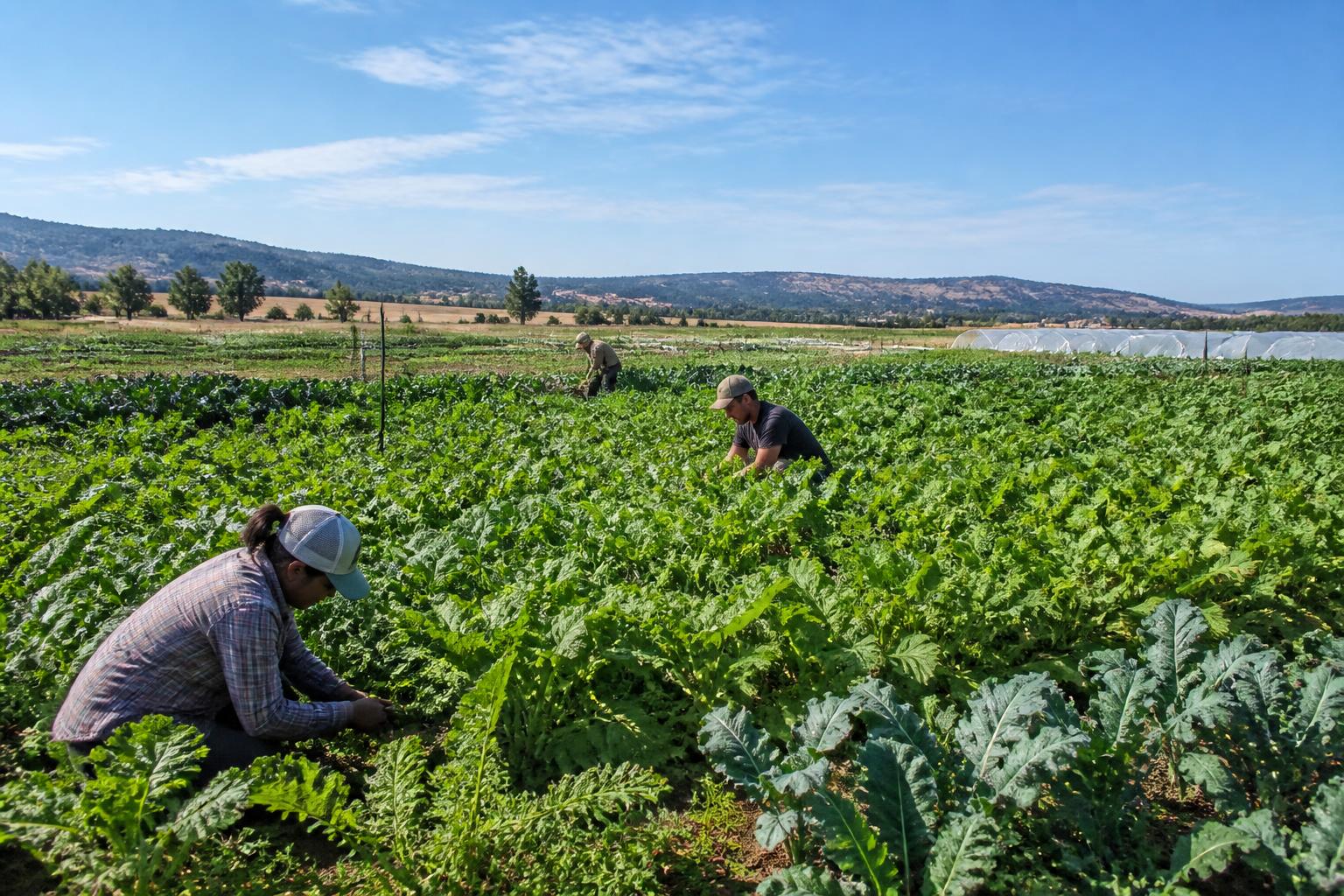
As summer temperatures rise across Oregon, agricultural producers are facing a complex mix of long-term climate projections, volatile commodity cycles, and innovative crop adaptations. From the high desert of Central Oregon to the fertile valleys of the west, farmers are evaluating their strategies to protect both their land and their bottom lines. This transition is highlighted by recent climate modeling, including a state climate report projecting that Oregon snowfall could drop by 50 percent by the year 2100, prompting a renewed focus on resilient water and crop management.
In response to these shifting weather patterns, the USDA Risk Management Agency (RMA) recently adopted Oregon State University's PRISM weather monitoring system. This sophisticated climate tool helps determine crop insurance parameters and track localized weather data, giving growers more precise resources to manage risk as seasonal moisture becomes harder to predict.
The Central Oregon Shift: From Hemp to Diversified Crops
In counties like Crook, Deschutes, and Jefferson, the agricultural footprint is undergoing a major transformation. After a dramatic boom-and-bust cycle for industrial hemp, many Central Oregon growers are returning to more stable, traditional, or diversified food crops. High-altitude vegetable production and specialty grains are gaining traction as reliable alternatives to speculative markets.
The OSU Extension Service continues to provide guidance for navigating the short growing season and temperature swings of the high desert, where frost can occur even during summer months. Additionally, some growers are exploring options like "naked" barley-a grain variety that loses its hull during harvest, preserving the whole grain for food processing-and other dryland crops. Managing these crops requires careful planning, especially when navigating summer dryland grain production challenges in water-restricted regions.
Preserving Ag Land and Transitioning to Grains
In western and transitional zones of the state, there is a visible shift from traditional grass seed operations to food grain cultivation. This diversification helps farmers tap into regional food markets and improve soil health. At the same time, keeping productive land in agricultural use has become a priority for local advocates. The Oregon Agricultural Trust has made significant progress in securing conservation easements, protecting critical agricultural properties from non-farm development and ensuring they remain available for future generations of growers.
Moving these emerging crops from rural fields to domestic and international markets remains a key concern. Oregon's agricultural supply chain relies heavily on robust infrastructure, making agrologistics and shipping upgrades critical for moving summer harvest yields efficiently from the farmgate to Pacific Northwest ports.
Key Takeaways for Oregon Producers
- Climate Adaptation: The adoption of the OSU PRISM system by the RMA underscores the growing importance of precise weather tracking in securing crop insurance and managing risk.
- Crop Diversification: The decline of the hemp market has accelerated a shift back to food grains, high-value vegetables, and naked barley in Central Oregon.
- Land Conservation: Organizations like the Oregon Agricultural Trust are expanding efforts to protect working lands from urban sprawl and development.
What it means for the market
Oregon's agricultural sector is demonstrating resilience by moving away from highly volatile speculative crops like hemp and reinvesting in sustainable grain and food production. While long-term climate forecasts present clear challenges for water availability, the integration of advanced weather monitoring systems and land preservation trusts will help stabilize land values and production capacity. These ongoing crop adjustments can heavily influence local commodity prices. Producers monitoring these developments can consult the latest Oregon grain market trends to hedge against volatility and plan their marketing strategies for the coming seasons.
Comments
No comments yet - be the first to share your take.