
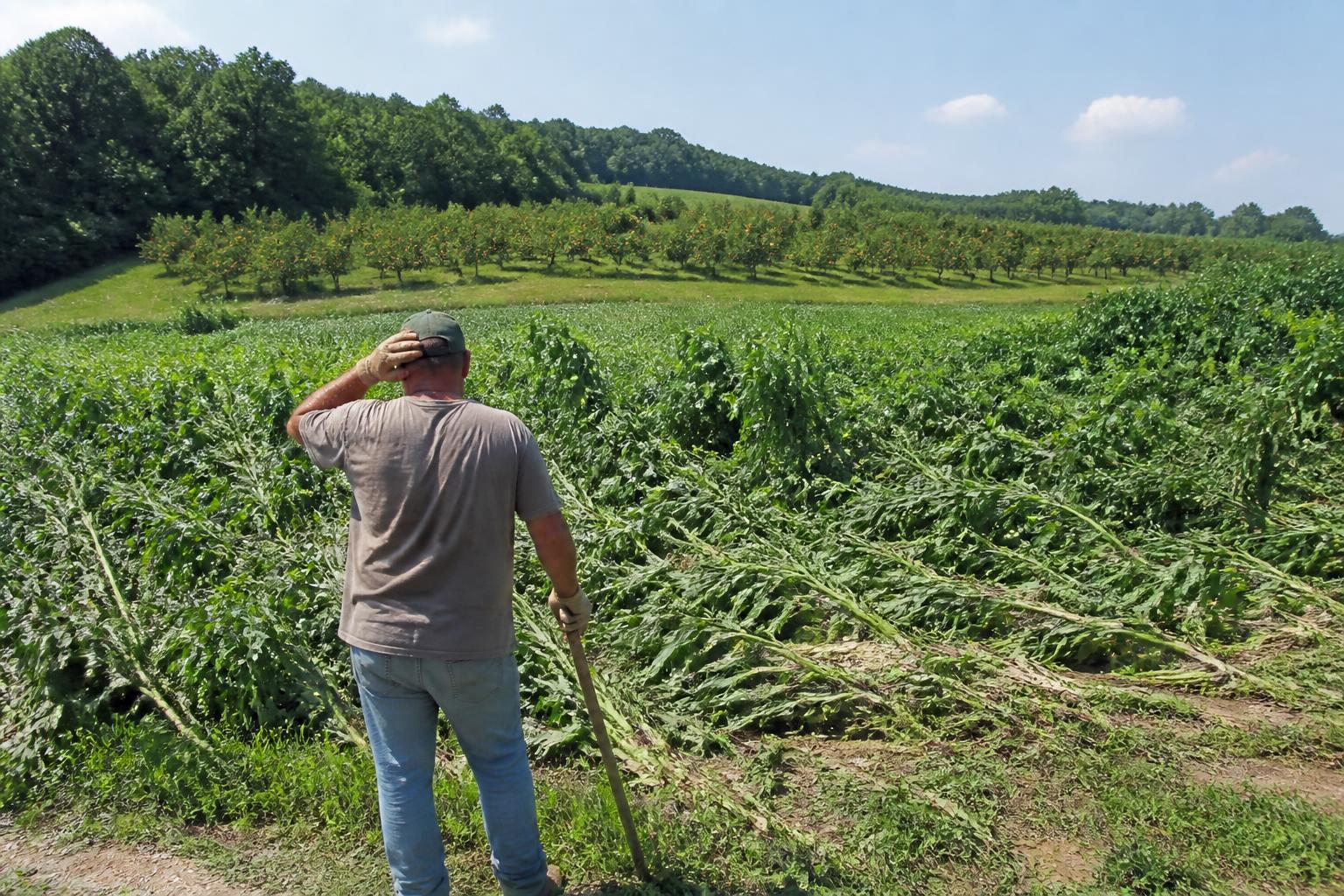
Extreme weather has increasingly dictated logistics planning in New England. With over 1,000 acres of crops in Massachusetts recently destroyed by severe storms and floods, local supply chains have had to adjust rapidly to sudden losses and shifting harvest schedules. In valleys and low-lying coastal areas, unexpected road washouts and weight restrictions on rural bridges can complicate the movement of harvested goods.
To counter these disruptions, researchers at the Massachusetts Institute of Technology (MIT) are utilizing advanced remote sensing technologies to map crops field-by-field and assess damage remotely. For regional dispatchers and agricultural carriers, this level of precision mapping provides a valuable tool to project yields and plan transport routes around affected zones, ensuring that salvageable crops get to market without transport delays. Keeping transport fleets flexible and utilizing real-time routing apps is essential, especially when adapting to the sudden changes highlighted in the Massachusetts grain and logistics brief.
Direct-to-Market Transport for Small Farms
Massachusetts boasts a strong market for direct-to-consumer and direct-to-business sales, but the logistics of small-scale transport can be highly complex. Unlike major Midwestern grain operations that rely on massive bulk rail shipments, Massachusetts farms, ranging from vegetable growers in the Pioneer Valley to poultry operations like Stonecreek Farm in New Bedford, rely primarily on light-to-medium-duty trucks and regional box trucks.
Consolidating loads is a key strategy for local operators this summer. Collaborative shipping arrangements, where multiple small farms in counties like Hampshire, Franklin, or Berkshire share freight space to urban farmers' markets or retail buyers, can significantly lower per-mile transport costs. Additionally, emerging regional agricultural e-commerce platforms and direct-to-business logistics models are helping producers bypass traditional distributors, optimizing truck routes and reducing empty backhauls.
Global Input Costs Pressure Local Hauling Margins
While the state's agricultural focus is local, global macroeconomics continue to exert pressure on regional trucking. Ongoing international conflicts and geopolitical tensions, particularly in the Middle East, have pushed up global energy, fuel, and input prices, including specialty fertilizers.
For local transport operators, these rising fuel costs compress margins. Drivers and fleet managers must emphasize proactive maintenance on regional transport vehicles - such as optimizing tire pressure, reducing idle times during loading, and using fuel-efficiency software - to mitigate the impact of high diesel prices on short-haul routes.
Key Takeaways for Massachusetts Ag Transportation
- Coordinate Load Sharing: Small farms should collaborate on freight to high-demand urban centers, maximizing truck capacity and dividing fuel costs.
- Monitor Road Conditions: Summer storms can lead to rapid localized flooding and weight-limit changes on rural routes; drivers should utilize real-time municipal road reports.
- Leverage Tech for Yield Estimates: Utilize precision mapping and remote sensing data to coordinate transport capacity with actual field readiness.
What it means for the market
For Massachusetts agriculture, summer logistics require a careful balance of agility and cost control. As weather-related crop losses tighten regional supplies and global factors keep fuel prices volatile, the profitability of local farms will depend heavily on efficient local distribution. Producers who streamline their transport routes, embrace collaborative shipping, and use real-time data to navigate infrastructure disruptions will be best positioned to capture premium local prices in the Commonwealth's metropolitan markets.
Comments
No comments yet - be the first to share your take.