
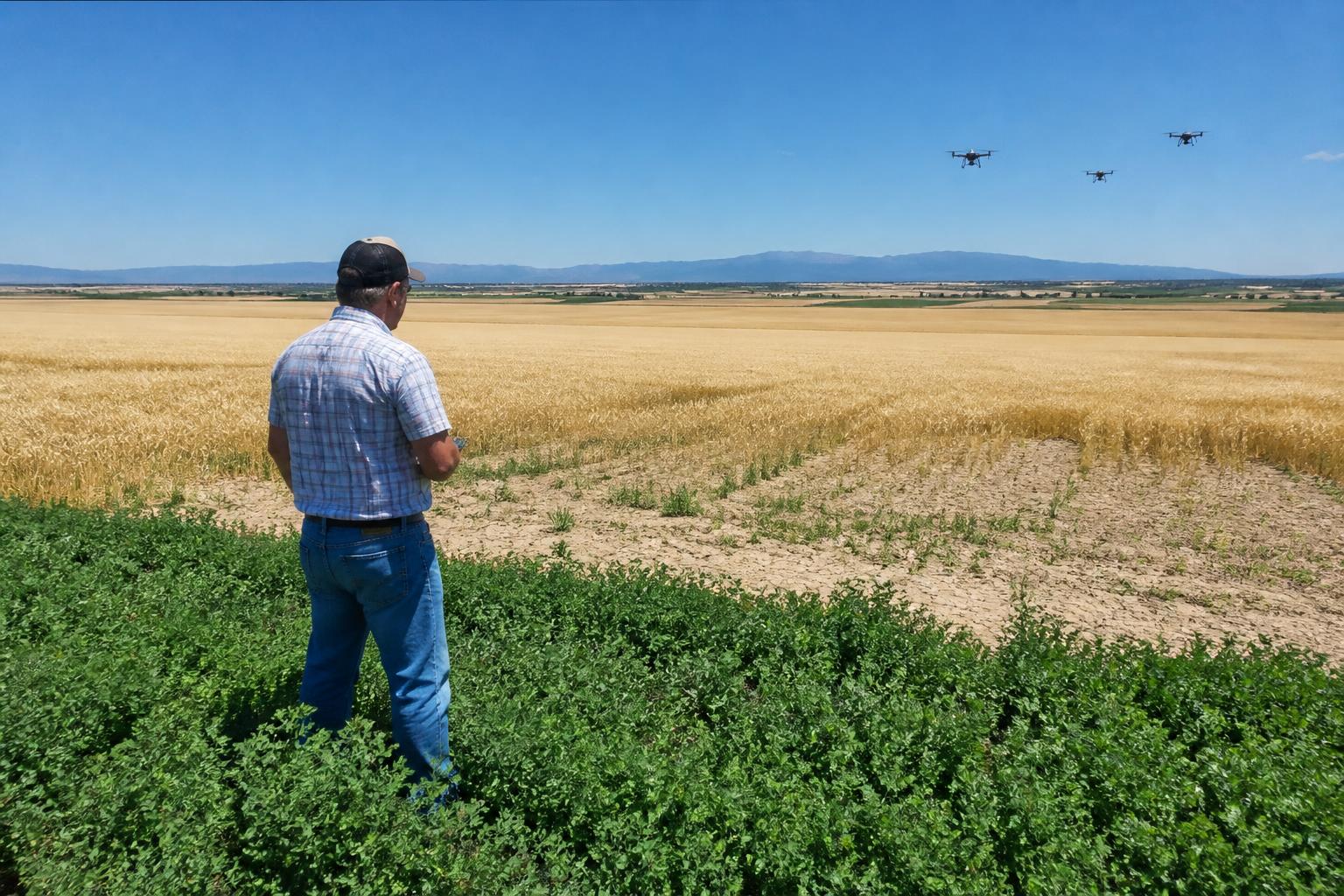
As summer heat intensifies across Colorado, growers are facing the familiar double-bind of seasonal pest pressures and resource constraints. From the eastern plains to the San Luis Valley, dry conditions are driving the need for smarter input use. To protect yield potential without exceeding tight operating budgets, Colorado producers are increasingly evaluating advanced application technologies and targeted biological solutions to manage field stress.
With drought, labor shortages, and market volatility squeezing margins, the choice of crop protection tools has become a critical strategic decision. Adapting to these summer pressures requires a mix of timely field monitoring and a willingness to explore modern precision application methods.
Managing Seasonal Pest Pressures in Alfalfa and Key Crops
For Colorado forage growers, alfalfa remains a cornerstone crop, but maintaining quality through the summer requires vigilant pest monitoring. Crop advisors have issued alerts for the alfalfa caterpillar, a pest that can rapidly defoliate stands if left unchecked. Early detection is vital, as heavy infestations can significantly reduce the nutritional value and marketability of the hay.
These insect threats do not happen in a vacuum. They coincide with broader regional challenges, including potato beetle management in the San Luis Valley and ongoing biosecurity concerns. Growers looking to optimize their chemical applications can benefit from tracking these emerging trends by reviewing our recent Colorado biosecurity and pest update to better understand how local pest populations are behaving this season.
Leveraging Agricultural Drones for Precision Input Application
To combat labor shortages and the high costs of traditional aerial or ground spraying, Colorado technology startups are betting heavily on agricultural drones. Drone technology allows for hyper-targeted spraying, minimizing product drift and ensuring that active ingredients are applied only where pest pressure is highest. This precision is particularly valuable in Colorado’s varied terrain, where small fields or rolling topography can make heavy ground machinery inefficient.
Using drones for spot treatments helps farmers save on chemical costs and reduces water consumption, a critical advantage given the persistent water accounting issues surrounding the Colorado River basin. As these application technologies evolve, they must also navigate the complex regulatory and legislative shifts in crop protection that dictate chemical availability and operator certification requirements across the state.
Emerging Biologicals and Precision Pest Management
Beyond application hardware, the science of pest control is shifting toward precision biological solutions. Innovators are developing yeast-powered RNA interference (RNAi) technology, aiming to provide highly targeted pest management that controls specific destructive insects without harming beneficial pollinators or leaving unwanted residues. These bio-pesticides represent the next generation of crop protection, offering a potential tool to bypass resistance issues associated with traditional chemistry.
Additionally, keeping an eye on broader agronomic developments, such as collaborative efforts to map crop sulfur deficiencies, can help Colorado farmers address underlying soil health issues that make plants more susceptible to pests in the first place.
Key Takeaways for Colorado Growers
- Scout Early and Often: Keep a close eye on forage stands for alfalfa caterpillar activity and prepare targeted intervention strategies to protect hay quality.
- Evaluate Drone Spraying: Consider utilizing drone-based application services to reduce chemical waste and manage labor shortages during peak summer weeks.
- Watch the Regulatory Landscape: Stay informed on state-level legislation and brand registration requirements that could impact product availability and input pricing.
What it means for the market
For Colorado’s agricultural economy, the adoption of precision crop protection is no longer just about environmental stewardship; it is a necessary buffer against tight margins. As logistics assets like local short-line railroads change hands and water access remains constrained, operational efficiency is paramount. By combining localized pest monitoring with drone-enabled precision and biological tools, Colorado producers can protect their crops, manage input costs, and build operational resilience against volatile market conditions.
Comments
No comments yet - be the first to share your take.