
As the summer heat settles over the Columbia Basin and the hills of the Palouse, Washington's grain sector is navigating a mix of fresh institutional funding, shifting federal policy, and looming transportation anxieties. While local growers prepare for the upcoming harvest, regional organizations are securing critical resources to bolster market demand and crop research.
With global trade dynamics constantly shifting, keeping up-to-the-minute track of regional market pricing is essential. Growers looking to maximize their returns can find valuable local opportunities to sell grain in Washington through established regional networks.
Washington Grain Commission Approves $8.4 Million Budget
To support the state's vital wheat and barley industries, the Washington Grain Commission has approved an $8.4 million budget. This funding is dedicated to research, grower education, and domestic and international market development. For local producers, these dollars represent a key defense against competitive global markets, funding research into climate-resilient crop varieties and soil health initiatives suited for the diverse microclimates of Eastern Washington.
Rail Transport and Supply Chain Vulnerabilities
Logistics remain a top concern for Pacific Northwest grain handlers as national supply chains face headwinds. The threat of a national freight rail strike has prompted federal emergency planning, raising alarms for Washington exporters. Because a significant portion of the region's grain moves from local inland elevators to coastal export terminals via rail, even brief service disruptions can cause immediate backups.
Industry experts emphasize that proactive management is critical as the summer shipping season progresses. Producers are closely watching local infrastructure updates and regional summer logistics planning to hedge against potential transport delays along key Columbia River corridors.
National Decisions Bring Regulatory and Land-Use Clarity
On the policy and regulatory front, a major legal decision has brought some certainty to the agricultural input sector. The U.S. Supreme Court ruled 7-2 in favor of Monsanto in a long-running Roundup case, potentially containing a decade of complex litigation regarding glyphosate. This decision provides critical clarity for Washington grain farmers who rely on standard crop protection tools to manage weeds and preserve zero-till soil structures.
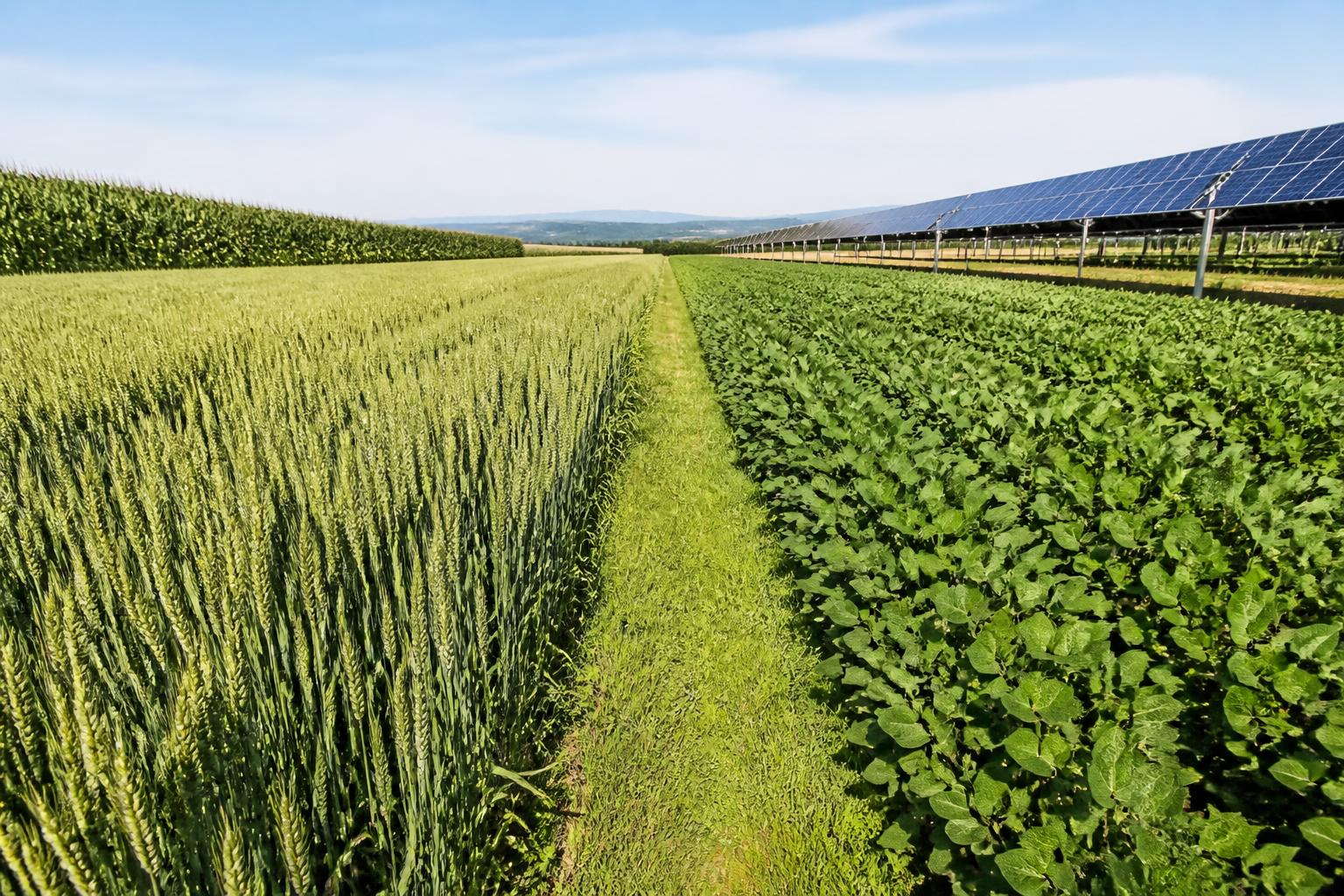
Simultaneously, alternative land-use discussions are gaining traction in the Pacific Northwest. Organizations like The Nature Conservancy are studying the feasibility of agrivoltaics in Washington. This dual-use approach, which combines solar energy generation with agricultural production on the same land, is being evaluated to see how it might fit into the state's diverse farming landscape without compromising food production.
Key Takeaways for Washington Growers
- Secured Funding: The Washington Grain Commission's $8.4 million budget will drive localized research and export promotion.
- Logistics Alert: Threat of freight rail disruptions requires careful monitoring of export channel capacities.
- Legal Precedent: A 7-2 Supreme Court ruling limits ongoing glyphosate litigation, stabilizing input availability.
- Emerging Tech: Agrivoltaic feasibility studies are assessing the future of shared solar and crop acreage in the state.
What it means for the market
For Washington's grain market, the combination of strong promotional funding and stabilized input access provides a solid foundation heading into the late summer. However, logistical bottlenecks remain the primary wildcard. Handlers and growers should maintain flexible transport plans, strengthen communication with regional river and rail terminals, and watch export pricing closely to capture marketing opportunities before transport capacities tighten.
Comments
No comments yet - be the first to share your take.