
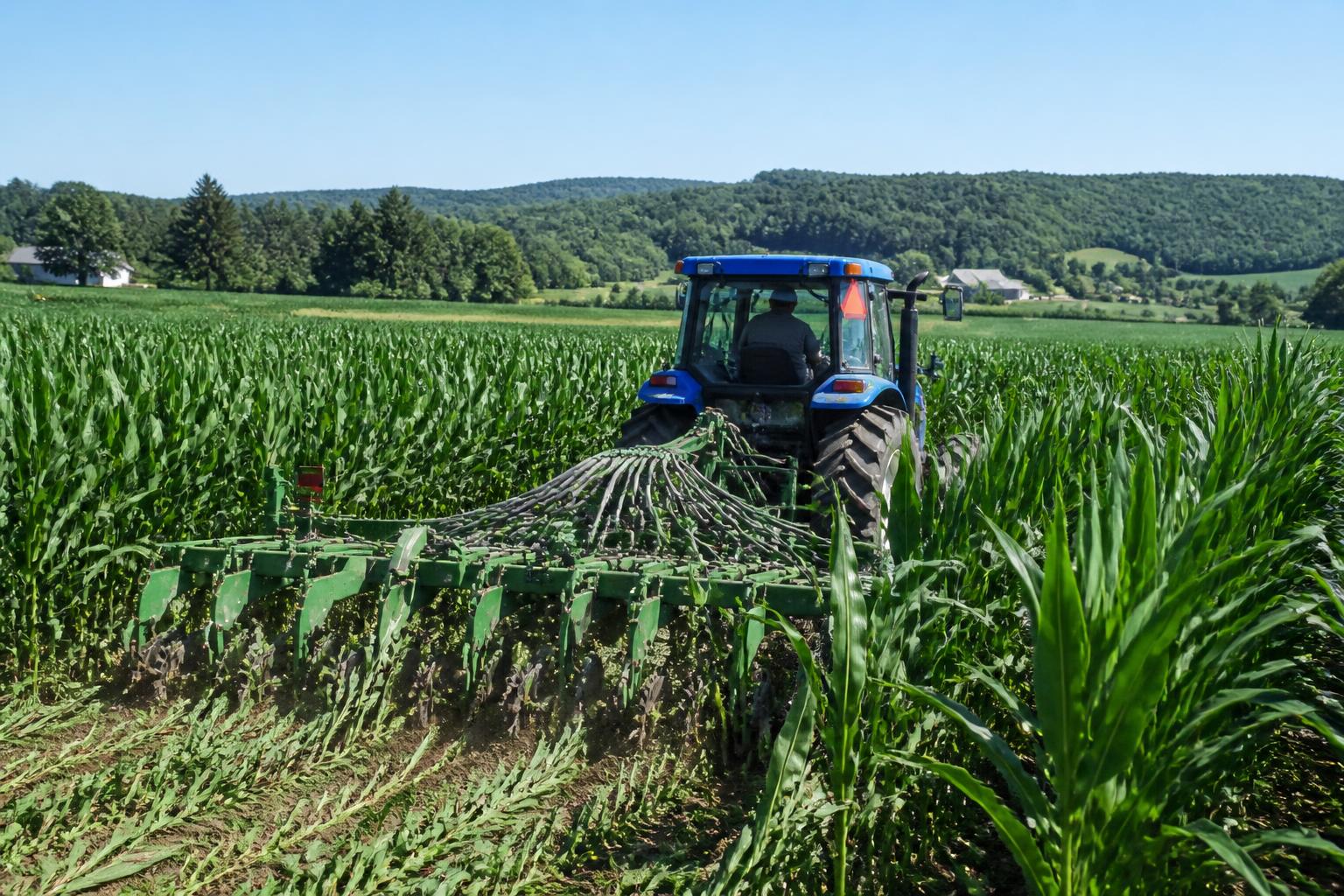
As the summer heat settles over Michigan fields in July 2026, local grain producers are recalibrating their marketing and storage strategies. Recent USDA Planted Acreage data reveals a downward trend in Michigan's planted acres for corn, soybeans, and wheat. This shift reflects broader adjustments across the Great Lakes region as growers balance high input costs, shifting weather patterns, and global supply dynamics.
In addition to planting cutbacks, storage decisions from last season continue to overhang the market. Reports indicate that many regional producers are still holding onto significant volumes of corn and wheat, following a period of aggressive fall soybean sales. This combination of stored grain and reduced new crop acres is shaping regional logistics and pricing dynamics.
Acreage Reductions and Storage Pressures
The USDA's market-friendly planted acreage report confirmed that Michigan growers trimmed their footprints for primary row crops this season. For grain elevators and local buyers, this drop in supply could tighten local bases later in the crop year, though much depends on summer weather and yield potentials.
This contraction in acreage comes at a time when storage bins remain relatively full. Following the active selloff of soybeans, growers chose to store a substantial portion of their corn and wheat. For growers navigating this environment, keeping a close eye on regional price fluctuations is essential. Checking the latest trends on grain buyers, sellers and prices in Michigan can help operators identify local marketing windows before the fall harvest begins.
Global Reach and Export Milestones
Despite regional challenges, Michigan's agricultural export engine remains highly competitive. The Michigan Department of Agriculture and Rural Development (MDARD) recently recognized the Cooperative Elevator Company as Michigan's 2025 Agriculture Exporter of the Year. Headquartered in the Thumb region, the cooperative has successfully positioned local commodities, including dry beans and grains, in international markets.
Sustaining these global connections requires efficient domestic logistics. While exporters navigate marine shipping routes, inland transit faces its own seasonal pressures. Navigating summer transport demands careful attention to infrastructure and road management, particularly when hauling heavy grain loads from rural elevators to deepwater ports and major processing hubs.
In-Season Management and Soil Health
To mitigate economic pressures, farmers are also focusing on crop protection and soil health strategies. Michigan State University extension experts are highlighting the benefits of cover crops, specifically pointing to interseeding cover crops into standing corn and soybeans. This practice can protect soil during the summer months, improve nutrient retention, and provide weed suppression without interrupting cash crop growth.
Simultaneously, input procurement remains top of mind. Producers are monitoring developments regarding phosphate countervailing duties (CVD), where recent discussions surrounding delayed suspensions have highlighted the volatility of the fertilizer market. Managing these input variables is a key theme highlighted in the recent Michigan agricultural update on the row crop squeeze, where rising operating costs demand precise agronomic decisions.
Key Takeaways
- Planted Acreage Down: USDA data shows a year-on-year decline in Michigan's corn, soybean, and wheat acreage.
- On-Farm Storage: Farmers continue to hold corn and wheat reserves, presenting a potential supply overhang as summer progresses.
- Export Strength: MDARD's recognition of the Cooperative Elevator Company underscores the strength of the state's global grain and dry bean supply chains.
- Agronomic Focus: Cover crop interseeding and shifting fertilizer dynamics are driving summer management decisions.
What it means for the market
The combination of reduced grain acreage and high on-farm storage levels will likely keep Michigan's grain markets highly localized and price-sensitive through the summer. Buyers may find opportunities if growers decide to liquidate stored corn and wheat to clear space before the next harvest. Meanwhile, logistics networks and export demand will remain critical safety valves for regional pricing. Farmers who utilize agronomic practices like interseeding and carefully time their remaining inventory sales will be best positioned to weather the current price squeeze.
Comments
No comments yet - be the first to share your take.