
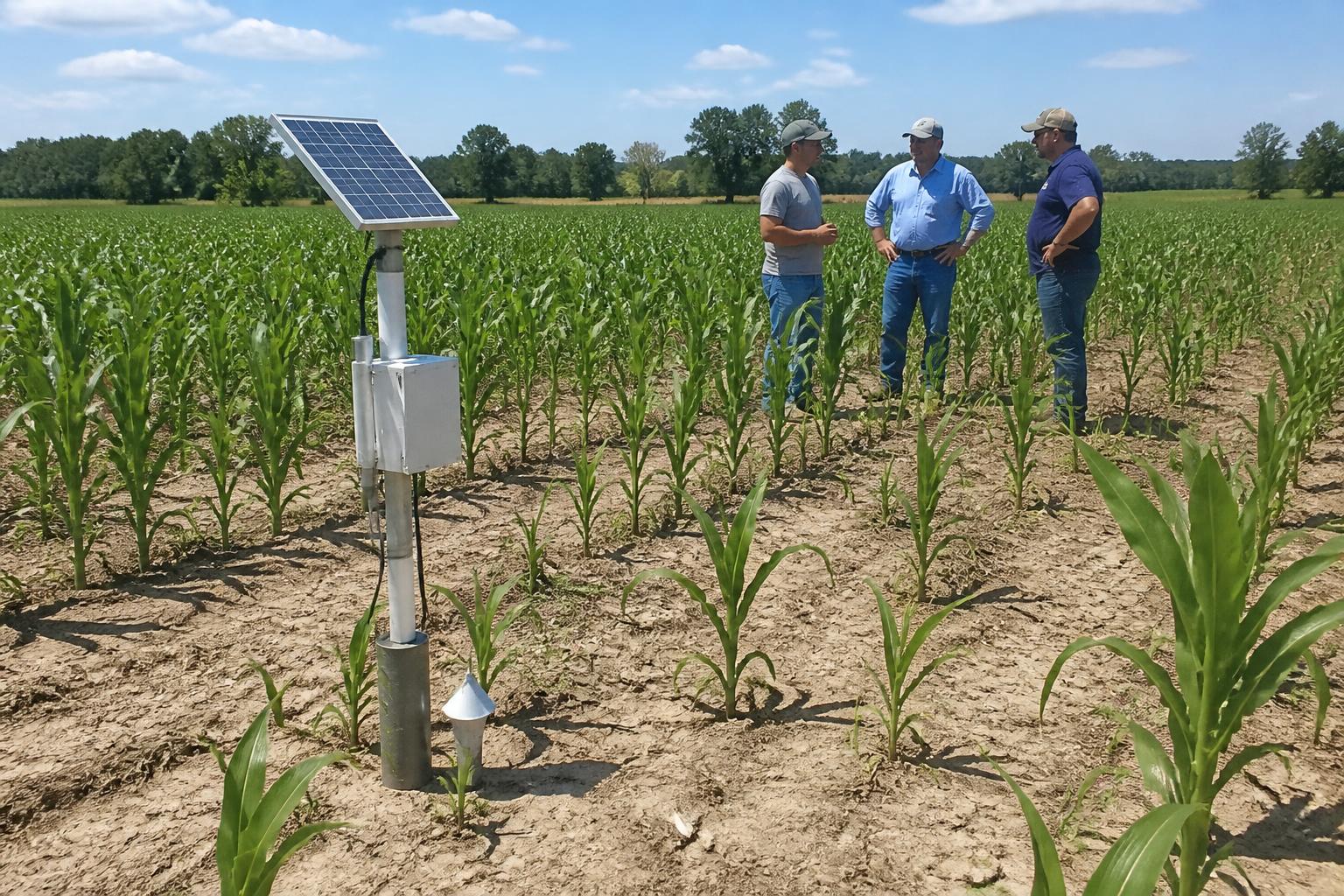
North Carolina grain growers are navigating a highly demanding summer as drought conditions stretch across the state, temporarily stalling crop development and raising concerns for both commercial elevators and local farmers markets. With tight margins putting financial pressure on family farms, agricultural leaders have highlighted an urgent need for economic assistance to help producers weather rising input costs and climate challenges.
Water Stress and the Corn Yield Cycle
In North Carolina, the summer heat combined with a lack of moisture has placed corn fields under severe stress during critical development stages. While agronomy research indicates that a positive feedback loop can build corn yields over successive seasons when conditions are favorable, severe dry spells threaten to disrupt this biological momentum.
Farmers looking to sell grain in North Carolina are closely watching weather forecasts, as a prolonged dry spell could limit overall yield potential across the coastal plains and piedmont regions. Managing soil moisture and optimizing remaining crop potential has become the top priority for growers trying to salvage their seasonal yields.
Innovations in Nutrient Sourcing and Precision Testing
Amid dry weather and tight operating margins, growers are increasingly exploring alternative fertilizers and precision testing to optimize input efficiency. A regional startup, Phinite, is gaining attention by converting eastern North Carolina hog waste into a highly valuable phosphorus fertilizer. This regional innovation offers a sustainable, locally sourced nutrient alternative for grain farmers looking to offset commercial fertilizer costs.
Additionally, soil management is taking a major step forward with NC Ag Services, Inc. being named the official distributor for the AutoProbe automated soil sampler. Utilizing advanced, automated soil sampling can help growers make highly accurate management decisions when navigating North Carolina's summer agronomy decisions, ensuring that expensive fertilizers are placed precisely where they will yield the greatest return.
Strategic Planning: Avoiding the Bin-Run Wheat Seed Trap
As the winter wheat harvest concludes, some growers might consider saving bin-run wheat seed for the upcoming fall planting as a way to cut immediate expenses. However, agronomic experts warn that bin-run seed rarely translates into a genuine bargain. Issues such as poor germination, weed seed contamination, and reduced yield potential often offset any initial savings when compared to certified seed varieties. Keeping seed quality high remains vital to securing a strong start for the next crop cycle.
Key Takeaways for North Carolina Growers:
- Drought Impacts: Dry summer weather is currently stalling crop progress and threatening regional corn yields.
- Automated Soil Sampling: High-precision tools like the AutoProbe allow for more accurate, cost-effective nutrient applications.
- Alternative Nutrients: Innovative phosphorus recycled from hog waste offers a local alternative to traditional inputs.
- Seed Quality Matters: Relying on bin-run wheat seed can introduce costly weed and germination issues for the next planting season.
What it means for the market
Persistent summer drought conditions are likely to tighten local grain supplies, making precise input spending and advanced soil management the primary drivers of farm profitability this season. As local yields face pressure, staying disciplined with nutrient placement and seed selection will be critical for growers aiming to protect their bottom line before the fall harvest begins.
Comments
No comments yet - be the first to share your take.