
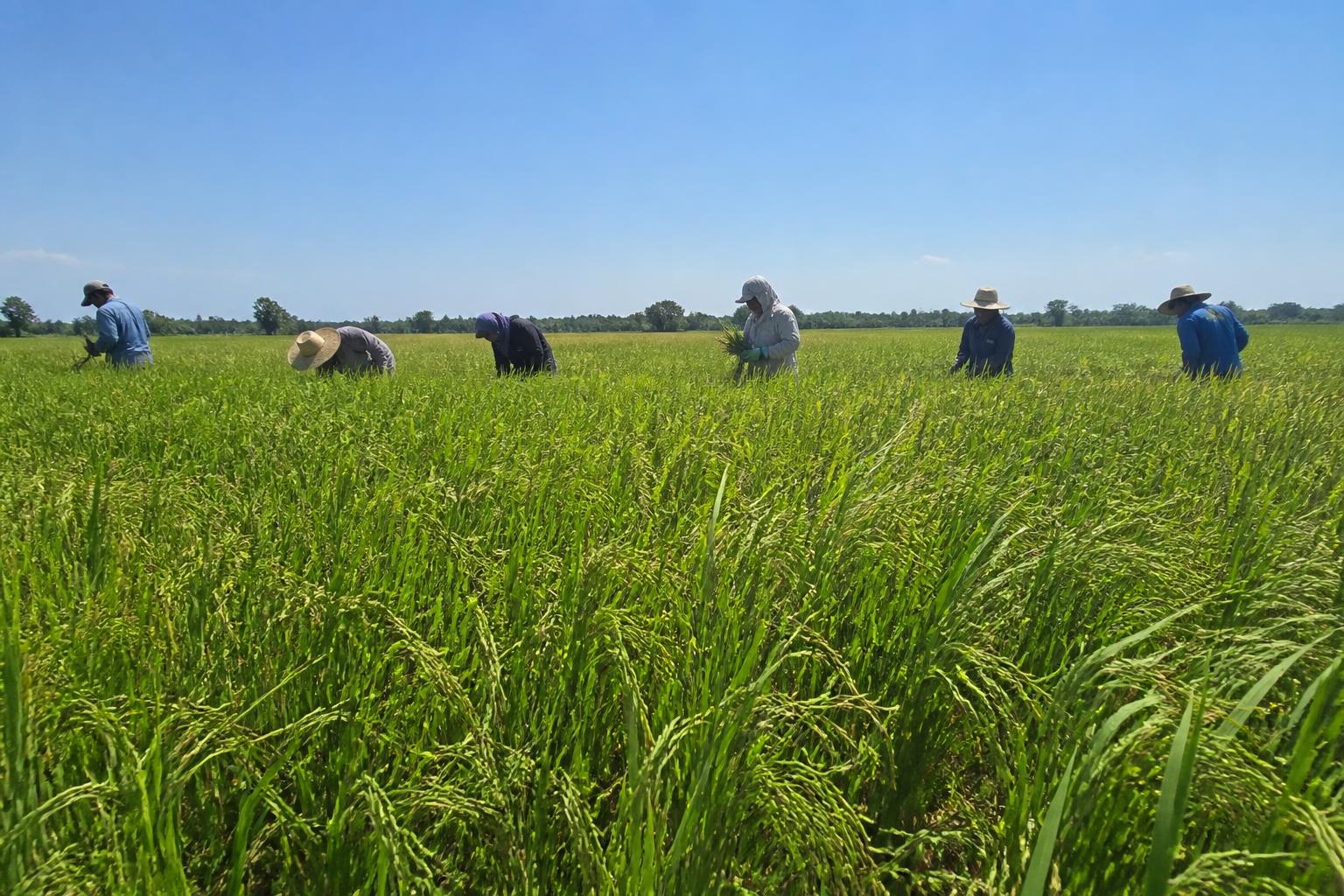
As mid-summer heat settles over Louisiana, grain growers and logistics operators are navigating a complex mix of shifting input costs, infrastructure developments, and marketing challenges. While regional wheat harvests have wrapped up with relatively few production setbacks, global geopolitical tensions are keeping fertilizer prices volatile, forcing producers to focus heavily on risk management and local logistics efficiency.
Boosting Logistics and Local Grain Representation
To stay competitive in the global market, Louisiana grain handlers rely heavily on robust regional logistics infrastructure. Farmer-funded projects like the South Louisiana Rail Facility continue to play a critical role in providing alternative export routes, allowing local grain and rice growers to bypass traditional bottlenecks. This local control helps buffer the region from broader supply-chain disruptions. Additionally, local industry voices are gaining national traction, as evidenced by a Louisiana rice miller's recent appointment to the federal Grain Inspection Advisory Committee. This representation ensures that regional quality standards and grading challenges are heard at the national level, which is especially critical when navigating local logistics challenges like siltation and mixed Gulf bids during peak shipping seasons.
Smooth Wheat Harvests Contrast with Volatile Input Costs
On the production side, Louisiana's winter wheat crop came through the season with few reported problems, offering a bright spot for growers looking to diversify their crop rotations. This successful harvest provides some early-season cash flow, but the broader outlook for summer crops remains tied to volatile input markets. Geopolitical risks continue to drive up global nitrogen and fertilizer costs, raising the financial stakes for upcoming crop cycles. Agribusinesses must carefully balance high nutrient costs against unpredictable crop prices, prompting many to optimize their fertilizer application strategies to protect tightening profit margins.
Navigating Financial and Contract Risks
Recent industry contract failures and unpaid producer claims involving out-of-state grain buyers highlight the critical importance of secure marketing. Growers are being urged to perform thorough due diligence on their buyers, grain elevators, and marketing partners. With capital requirements high, ensuring prompt payment and secure grain storage contracts is paramount to avoiding costly defaults. For those looking to secure local buyers and sellers, utilizing trusted regional networks can make all the difference when you need to buy grain in Louisiana safely and efficiently.
What it means for the market
For Louisiana grain market participants, the summer of 2026 is a time to prioritize operational resilience over speculative expansion. Strong local logistics infrastructure and solid crop quality representation give Gulf region sellers a competitive edge, but high input costs and counterparty risks require a conservative financial approach. Ensuring robust contract terms and staying informed on regional transport dynamics will be key to protecting margins through the remainder of the season.
Comments
No comments yet - be the first to share your take.