
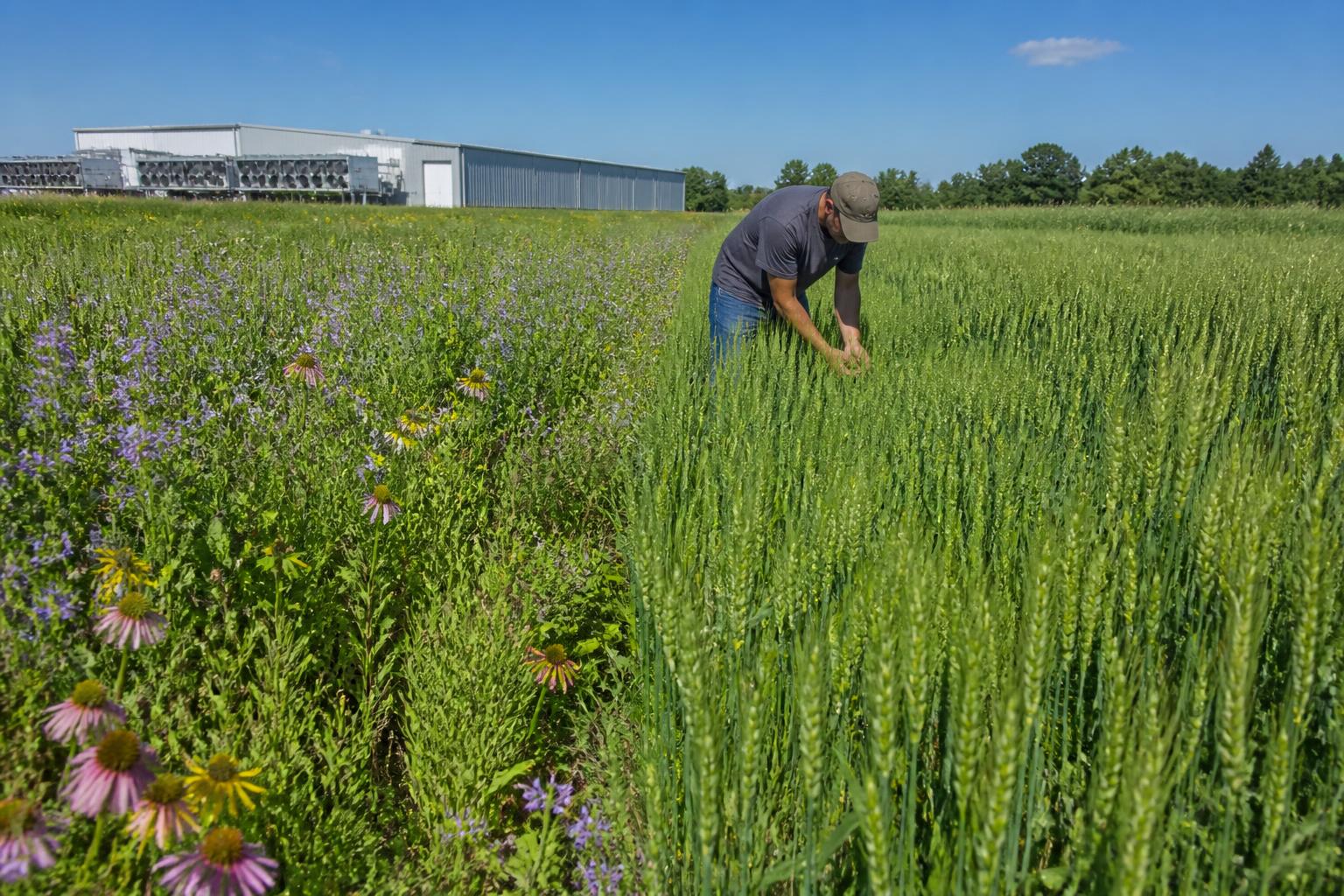
As the summer heat settles over northern Utah, local grain producers in key agricultural areas are facing a complex economic landscape. Managing grain operations in July requires balancing tight operating capital, shifting input costs, and long-term conservation priorities. Growers are carefully watching crop conditions while preparing for the operational challenges of the upcoming harvest.
Navigating Tighter Farm Credit and Operating Budgets
With agricultural credit tightening across the country, Utah grain growers must prioritize transparent and proactive communication with their lenders. Rising operational costs and persistent interest rate pressures mean that securing and maintaining operating lines of credit requires detailed financial documentation and realistic production forecasts.
Many local operations are looking for ways to trim overhead and optimize their sales windows, closely following regional marketing trends and adapting to broader market surpluses and transportation adjustments. Staying in close contact with agricultural lenders early in the season can help farmers secure the flexibility needed to navigate volatile grain prices.
Policy Adjustments and Fertilizer Cost Relief
To help ease the financial burden on producers, recent federal administrative actions have targeted lower fertilizer costs and increased support for American farmers. Because fertilizer remains one of the most substantial cash outlays for both dryland wheat and irrigated grain systems in Utah, any downward pressure on input markets is a welcome development.
While these policy shifts may offer some relief for future purchasing cycles, growers this summer are focusing on maximum efficiency. Precision application techniques and careful soil testing are being utilized to make every pound of fertilizer count, reducing waste and protecting tight operating margins.
Conservation and Sustainable Crop Advising in Utah
Sustainable farm management is taking center stage in the state's agricultural community. A Utah Certified Crop Advisor (CCA) was recently named the Certified Crop Advisor Conservationist of the Year, highlighting the state's leadership in integrating conservation practices directly into commercial grain systems.
Additionally, regional conservation groups, including the Utah Conservation Corps, have secured support through the Utah Pollinator Habitat Program. These initiatives reflect a growing trend where grain producers and local partners collaborate to build pollinator habitats and improve soil health, ensuring that productive farm fields can coexist with sensitive local ecosystems.
What it means for the market
For Utah grain handlers, buyers, and growers, this summer is a period of financial discipline and careful resource management. While federal policies aim to reduce input burdens, the immediate reality demands sharp lender communication and highly efficient field practices. Maintaining strong relationships with financial partners and adopting localized conservation methods will be key to protecting farm equity as the winter wheat and barley harvests approach.
Comments
No comments yet - be the first to share your take.