
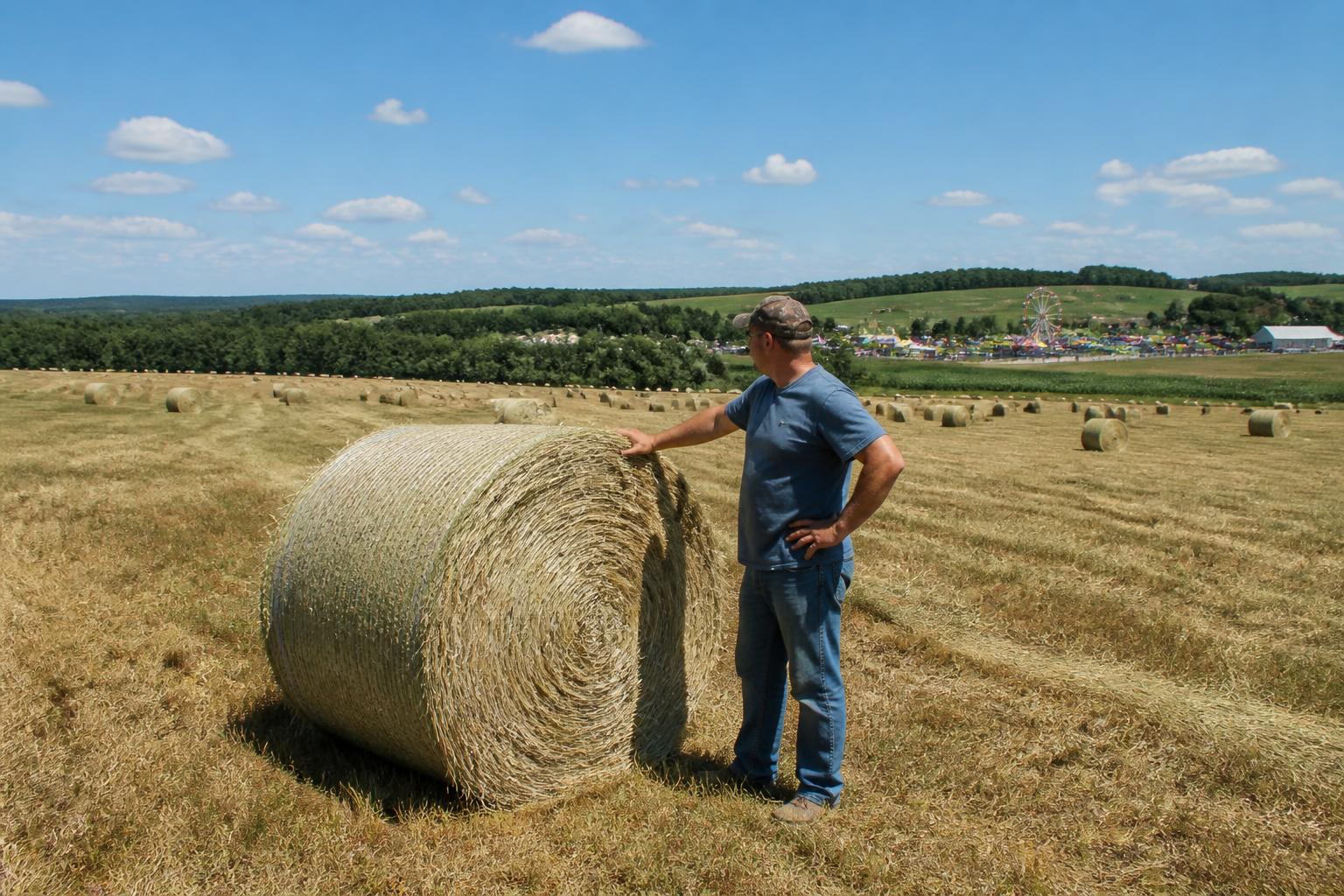
With the summer heat settling over Maryland, grain growers and livestock producers are moving quickly to manage mid-season harvests, forage baling, and soil conservation plans. Small grains, particularly cereal rye, play an essential role in the state's intensive cropping systems, acting both as vital cover crops and potential feed sources. However, capturing the true value of these grains during the hot summer months requires precise timing and a clear understanding of regional market options.
The Double-Edged Sword of Baling Cereal Rye
Cereal rye is widely utilized across Maryland's agricultural counties, from the Eastern Shore to the Piedmont region, to protect soils and scavenge residual nutrients. In recent years, more operations have looked to bale cereal rye as cattle feed to supplement forage supplies. While this strategy can maximize land utility, it often presents significant practical challenges.
Forage experts warn that timing is everything when harvesting cereal rye. If the crop is allowed to mature too far, its nutritional quality drops precipitously. Mature rye stems become coarse, woody, and unpalatable to livestock, leading to high feed waste. Additionally, harvesting and drying cereal rye to the correct moisture level in the humid Maryland summer can be difficult. Baling rye that is too wet risks mold growth and spoilage, while waiting too long for the crop to dry can result in a feed product that offers little more than roughage with minimal crude protein.
MDA Showcases Regional Support Programs
As farmers navigate these mid-summer crop decisions, the Maryland Department of Agriculture (MDA) is actively promoting state-level programs designed to assist local producers. MDA routinely uses major summer events, including the upcoming Maryland State Fair, to showcase its array of agricultural conservation, financial, and educational programs.
These initiatives help local operations balance conservation requirements with practical economic needs. Programs covering nutrient management assistance and cover crop cost-share opportunities are vital for helping Maryland farmers maintain productive soils while protecting local watersheds, including the Chesapeake Bay. Understanding these programs can help growers offset the costs of cover crop establishment and ensure compliance with regional soil health mandates.
Optimizing Summer Grain Logistics and Sales
Beyond forage management, summer brings critical marketing decisions for local grain elevators and growers handling wheat, barley, and early-harvested small grains. Navigating regional logistics and finding the right local buyers is essential to capturing strong margins before fall crop harvests begin.
Keeping an eye on transportation and marketing trends is key during this busy season, as detailed in the Maryland summer grain outlook. Local grain producers who are ready to move their current inventory can easily explore competitive local bids to sell grain in Maryland, helping to free up storage space and optimize cash flow ahead of the upcoming autumn harvest.
What it means for the market
The mid-summer period represents a critical juncture for Maryland agribusinesses. While using cereal rye for forage offers a valuable tool for cattle feed management, quality control during the harvest and baling process remains paramount to avoid poor feed performance. At the same time, leveraging MDA support programs and staying aligned with local grain buyers will allow Maryland operators to safeguard their soil health and secure profitable market channels as the summer progresses.
Comments
No comments yet - be the first to share your take.