
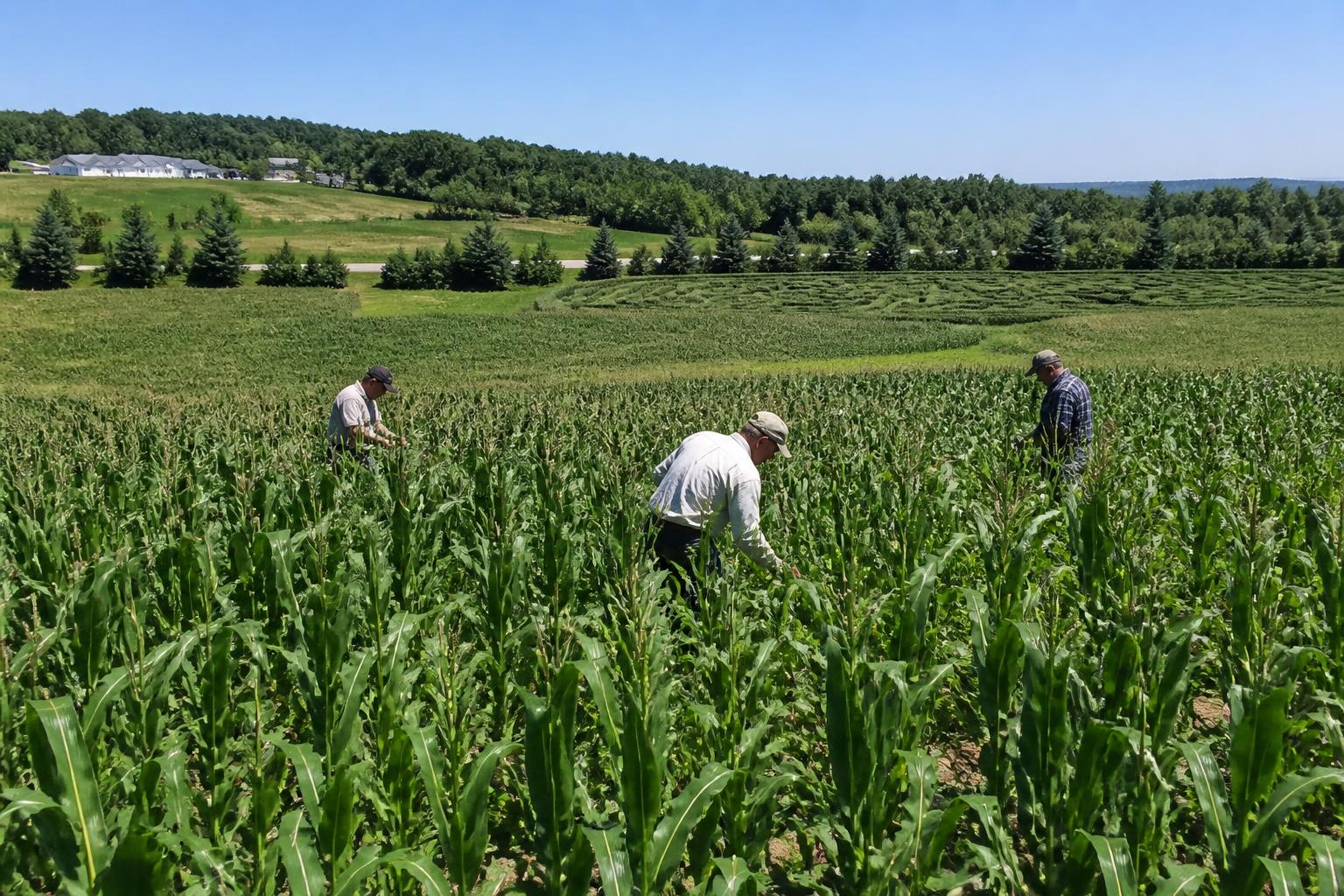
As the summer heat settles over the Northeast, Maine's specialty and heritage grain markets are entering a critical phase of seasonal growth. From the historic milling hubs of Skowhegan to new agricultural initiatives taking root in Waldo County, local growers and millers are working to fortify regional supply chains. This localized push comes at a time when nationwide agricultural costs remain high, driving a renewed focus on regional self-reliance and efficient local logistics.
The Heritage Grain Movement and Local Infrastructure
Maine's grain sector has carved out a unique niche by focusing on heritage grains, organic varieties, and direct-to-community supply chains. Pioneering efforts, such as Amber Lambke's work with Maine Grains in Skowhegan, have demonstrated how regional milling infrastructure can revitalize local economies. By processing grains locally, these operations help keep value-added profits within the state while providing reliable, traceable ingredients to regional bakeries, breweries, and institutions.
For buyers and distributors seeking consistent regional supply, the growing network of local producers makes it increasingly practical to buy grain in Maine. These tight-knit supply lines offer a buffer against global market disruptions, though they require continuous alignment between growers, millers, and local transport networks throughout the summer months.
Managing Crop Safeguards and Input Pressures
While local demand remains strong, regional growers are navigating significant cost pressures. Recent reports highlight that national trade imbalances and input inflation have contributed to a 30% surge in farm production costs. In response, Maine farmers are turning to precise field management to protect their margins. Adopting proactive summer crop protection and soil health strategies is becoming essential to optimize yields and ensure grain quality before the autumn harvest.
To mitigate weather volatility, many operators are also exploring improved drainage water management and soil amendments like biochar. These practices help retain soil moisture during dry summer spells while preventing nutrient runoff during heavy summer rains, supporting both crop health and the local environment.
Summer Storage Prep and Critical Safety Measures
With the harvest season on the horizon, mid-summer is the optimal window for Maine grain handlers to inspect storage facilities and clean out older inventory. Moving remaining grain stocks efficiently requires coordinating with Maine cold chain and trucking capacity to prevent bottlenecks at regional transit points.
Crucially, as storage bins are emptied and prepared, operators must prioritize grain bin safety. Industry experts emphasize that preventing entrapment is paramount during summer maintenance. Key safety protocols include:
- Locking out and tagging all power sources before entering a bin.
- Using a safety harness and secured lifeline.
- Ensuring a trained observer is stationed outside the bin at all times.
- Never entering a bin when grain is flowing or when bridging is suspected.
What it means for the market
For Maine's agricultural community, the summer of 2026 highlights the resilience of localized grain networks. By combining proactive safety standards with robust crop protection and regional milling infrastructure, local agribusinesses can better navigate high national input costs. Strengthening these local supply chains ensures that Maine's grain market remains stable, safe, and highly competitive from the field to the table.
Comments
No comments yet - be the first to share your take.