
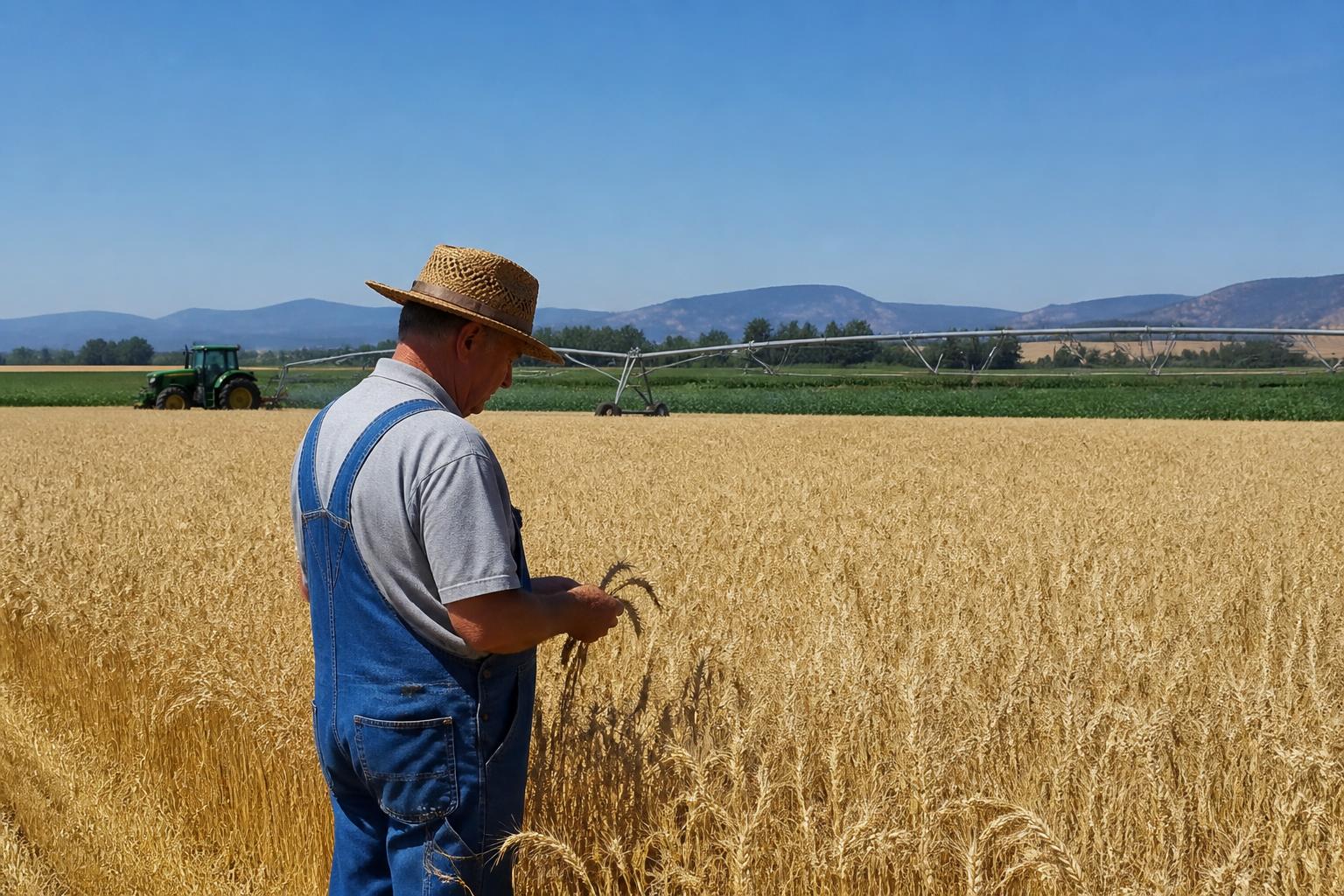
Mid-Atlantic grain growers are navigating a complex market as summer crop progress gets underway. While global food prices have experienced a general easing trend, wheat has emerged as a primary point of concern for market analysts. In Delaware, where local growers often balance summer winter wheat harvesting with the ongoing feed needs of the state's intensive poultry sector, these shifting international baselines are directly impacting local cash bid opportunities.
Regional crop processors and grain handlers are closely monitoring both domestic processing constraints and major international trade re-alignments. As local operators weigh their storage and marketing options for the current crop, understanding how global supply disruptions intersect with local demand centers along the Delaware peninsula is essential for protecting profit margins.
Wheat Volatility and Falling Flour Production
A significant underlying factor in the current grain complex is the tightening of domestic supply lines. U.S. flour production fell to a 14-year low in 2025, signaling a prolonged period of shifting mill utilization and crop quality variations. While overall food price inflation has cooled from its peak, wheat remains highly sensitive to regional weather anomalies and shipping delays.
For Delaware farmers, who often utilize winter wheat as an important rotation crop, this tighter national supply dynamic can support localized basis levels. Producers looking to capitalize on these shifts can compare local cash bids and connect with regional handlers through local grain buyers and sellers in Delaware to optimize their marketing windows during the summer harvest.
Geopolitical Pressures and Fertilizer Supply Lines
Beyond the grain elevator, global logistics continue to exert pressure on input costs and grain transport. Tensions in the Middle East, particularly around critical shipping lanes like the Strait of Hormuz, have renewed concerns over the international fertilizer trade and energy prices. Escalating oil market anxieties threaten to deplete global reserves, potentially raising diesel and input costs for East Coast farmers at a time when summer crop maintenance is in full swing.
Additionally, major international re-alignments are altering global commodity flows. China's massive 17-billion-dollar agricultural trade deal has sparked a broader shake-up in global grain shipping, diverting traditional flow patterns and forcing U.S. exporters to find alternative logistics efficiencies. In coastal states like Delaware, where proximity to deep-water ports provides unique export flexibility, these macro shifts can influence how local elevators hedge their positions.
Delaware Agribusiness and Industrial Shifts
Local agricultural commerce is also seeing notable corporate transactions. FMC Corporation recently finalized the sale of a Delaware site for 114 million dollars, reflecting ongoing asset re-evaluations among major agricultural input providers. While the transaction left shares steady on the NYSE, it underscores the shifting industrial footprint of agricultural chemical and technology firms within the region.
Key Takeaways for Mid-Atlantic Growers
- Wheat Market Focus: Tight national flour production and global supply worries continue to inject volatility into wheat prices.
- Input Logistics: Geopolitical tensions in key maritime channels remain a primary driver of risk for global fertilizer and fuel supplies.
- Trade Shake-ups: Large-scale international purchasing agreements, such as China's major agricultural trade deals, continue to rewrite traditional grain flow dynamics.
What it means for the market
For Delaware grain producers and agribusinesses, the combination of tight domestic processing capacity and heightened global logistics risks requires a highly disciplined marketing approach. While local feed demand from the regional livestock industry offers a reliable baseline, price spikes driven by global wheat concerns and energy market volatility may present brief, profitable marketing windows. Growers should remain vigilant on input purchasing for the coming cycles and use local basis data to make informed storage and sales decisions.
Comments
No comments yet - be the first to share your take.