
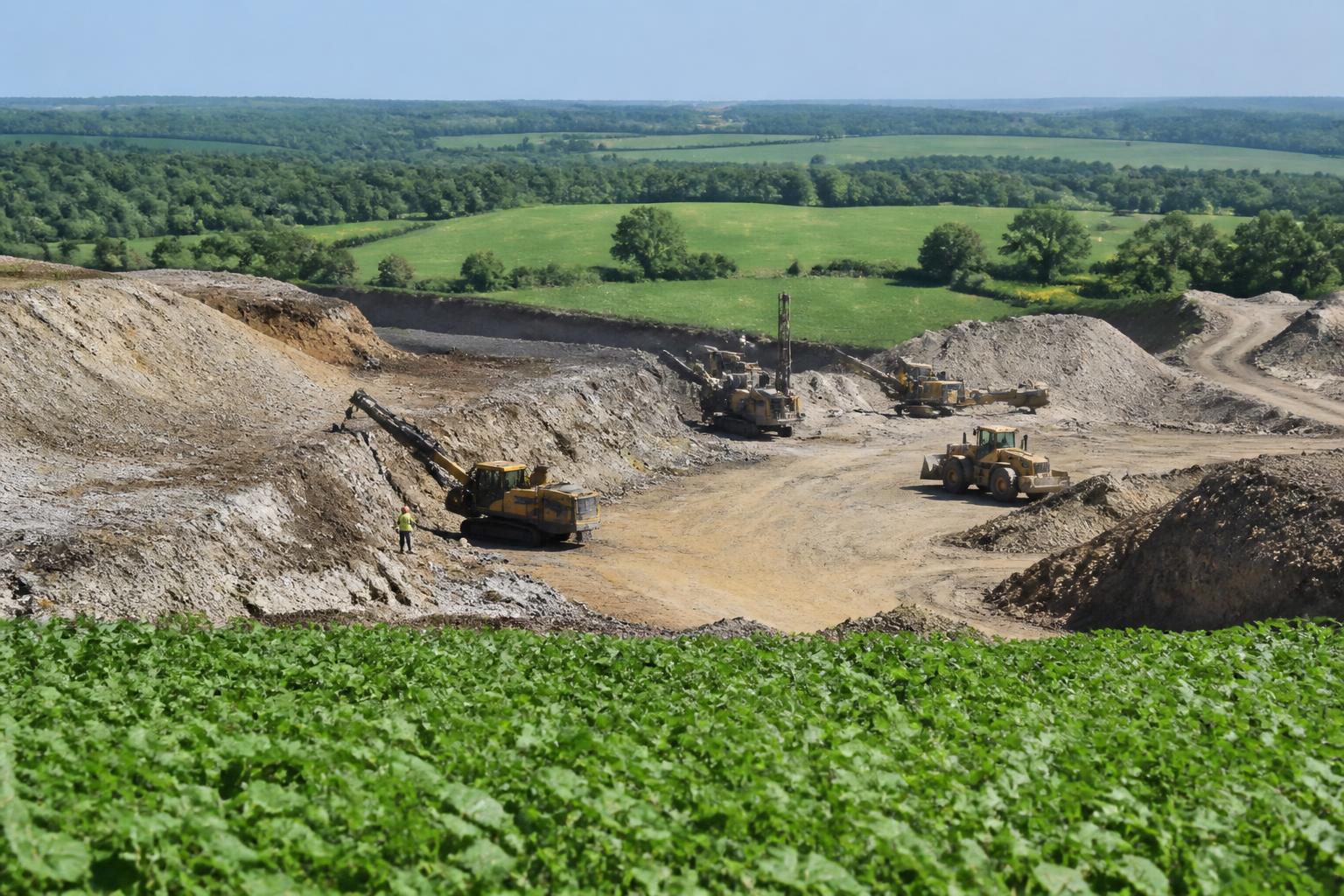
As the summer growing season reaches its peak in late June, agricultural operations across Alaska are focusing heavily on crop nutrition and the logistics of securing essential inputs. For farms stretching from the Matanuska-Susitna Valley to Delta Junction, maximizing the efficiency of every applied nutrient is critical, especially given the high costs and logistical hurdles of moving bulk fertilizers to the Last Frontier. Recent global innovations in phosphate mining and processing, such as developments at the Phosphate Hill Mine, highlight the changing landscape of nutrient sourcing and the ongoing need for precise management on the farm.
The Challenge of Remote Fertilizer Logistics
Securing mineral inputs in Alaska is often a costly gamble due to the state's geographic isolation and reliance on long-distance maritime and overland transport. Fertilizer shipments typically arrive at major coastal ports before being trucked along the Parks or Richardson highways to local agricultural hubs. Because of these long supply chains, local producers must plan their seasonal needs well in advance.
To mitigate these risks, many growers are prioritizing advanced crop nutrition strategies. Incorporating highly efficient phosphate minerals and innovative soil amendments can reduce the total volume of fertilizer that must be shipped, minimizing transportation overhead. For more details on managing these input pipelines, growers can monitor how summer crop protection and input logistics gain momentum across Alaska to optimize their purchasing schedules.
Innovations in Phosphate Sourcing and Efficiency
Global advancements in mining efficiency, including those seen at Australia's Phosphate Hill Mine, are helping to reshape how phosphate minerals are processed and utilized. By refining the purity and availability of agricultural phosphates, these innovations enable the creation of specialized, high-yield fertilizers.
For Alaskan farmers, utilizing advanced, highly soluble phosphate products can make a significant difference. In northern soils where cold temperatures often restrict root development, highly plant-available phosphorus is vital for early crop establishment and robust root systems. Applying targeted, low-dose phosphate applications ensures that crops receive adequate nutrition without wasting expensive materials.
Supporting Local Grain and Forage Production
With the short Alaskan summer in full swing, local grain and forage producers are working hard to optimize yields before the early autumn frosts. High-quality inputs are particularly important for those trying to scale up operations and meet the rising regional demand for livestock feed and food-grade grains.
These nutrition strategies align closely with broader regional efforts to expand the state's agricultural footprint. Initiatives such as Alaska's CROP Act aims to boost local grain production by encouraging self-reliance and improving access to key production resources. By combining policy support with modern nutrient management, local farms can build more resilient operations.
Key Takeaways:
- Advanced phosphate products improve nutrient uptake in cold soils, reducing the overall volume of fertilizer required.
- High shipping costs and complex transport routes along major highway corridors make early planning essential for Alaskan input buyers.
- Increased local grain production relies on precise crop nutrition to maximize yield during the condensed summer growing window.
What it means for the market
For Alaska's agribusinesses, navigating fertilizer logistics in the summer of 2026 requires a balance of early procurement and high-efficiency product selection. As global mining innovations make more concentrated phosphate options available, local distributors and growers should evaluate these options to offset high freight costs. Investing in nutrient efficiency not only protects profit margins but also strengthens the state's food security by ensuring local grain and forage crops reach their full potential.
Comments
No comments yet - be the first to share your take.