
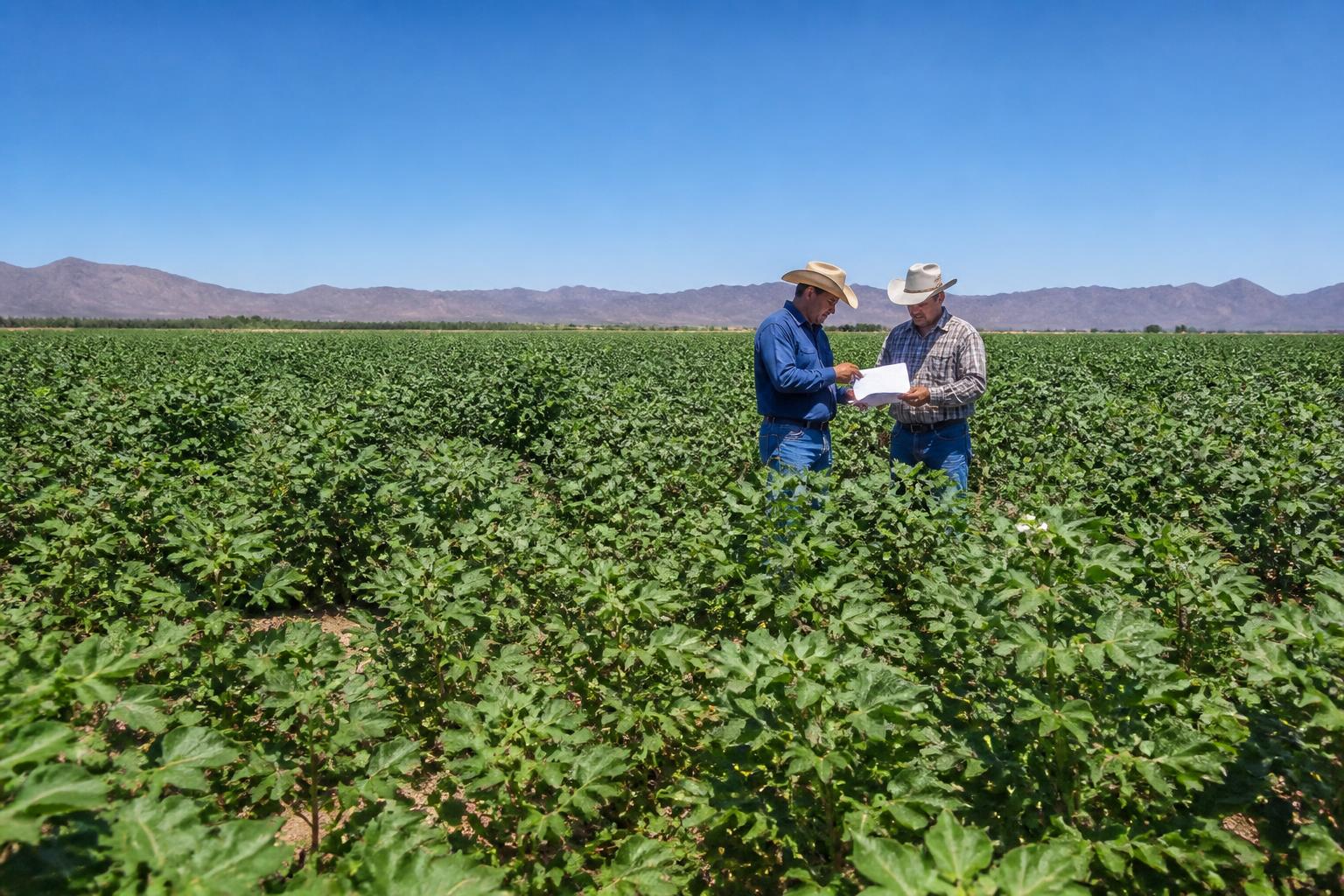
Arizona agricultural producers are navigating intense summer conditions, requiring a strong focus on nutrient management and crop resilience. As growers in key desert agricultural corridors strive to keep their premium edge in cotton, alfalfa, and specialty crops, fertilizer strategy is evolving to combat both environmental stress and water limitations.
With water efficiency remaining a critical driver of farm success across the state, integrating specialized soil amendments is gaining attention. Producers are increasingly looking to optimize nutrient delivery systems to ensure crops survive the high temperatures of the desert growing season.
Silicon Fertilizers and Stress Mitigation
As desert temperatures regularly test the physiological limits of crops, interest in silicon fertilizers is growing. Industry trends indicate that silicon amendments are increasingly favored for improving crop yield and strengthening plant resistance to abiotic stresses such as extreme heat and drought. For Arizona growers, applying silicon can help build stronger plant cell walls, reducing water loss through transpiration and helping crops maintain structural integrity under the summer sun.
This focus on plant health is particularly important when managing delicate specialty crops. In many regional vegetable and melon operations, growers must carefully balance nutrient inputs while managing pest pressure, such as whiteflies, and mitigating risks associated with herbicide volatility in hot weather. Strengthening the crop from the soil up with stress-tolerant nutrients provides a foundational defense against these complex environmental pressures.
Navigating Input Logistics and Fertigation
To successfully implement these advanced nutrient strategies, growers rely on the seamless delivery of bulk and liquid inputs. Transporting fertilizers across Arizona during the peak of summer requires careful scheduling to prevent degradation and manage application timing. This fits into the broader picture of managing Arizona ag transport demands in extreme summer heat, where high temperatures can impact machinery and cargo alike.
Furthermore, because water management is tightly bound to fertilizer application in desert farming, efficient irrigation systems must be utilized. Liquid fertigation allows producers to apply exact doses of nutrients directly to the root zone, reducing wastage and preventing chemical runoff. However, securing these liquid inputs on time depends heavily on navigating the challenges of Arizona desert logistics during seasonal infrastructure shifts, ensuring that key terminals and distributors keep supply chains moving.
Key Takeaways for Desert Producers
- Stress-resistant inputs: Silicon fertilizers are proving valuable for enhancing crop yield and improving drought tolerance in high-temperature zones.
- Water-fertilizer synergy: Efficient fertigation remains the primary method for delivering nutrients without wasting water in arid soils.
- Logistics planning: Proactive input sourcing is essential to bypass transport bottlenecks and temperature-sensitive shipping delays during the hot summer months.
What it means for the market
For Arizona agribusinesses, retail dealers, and input buyers, the summer demand for specialized fertilizers underscores the shift toward climate-resilient farming practices. As water conservation policies and heat pressures continue to shape western agriculture, products that offer verified stress-mitigation benefits will likely capture a larger share of the local input market. Maintaining close communication with distributors and shipping partners will be vital to securing these essential crop nutrients ahead of critical application windows.
Comments
No comments yet - be the first to share your take.