
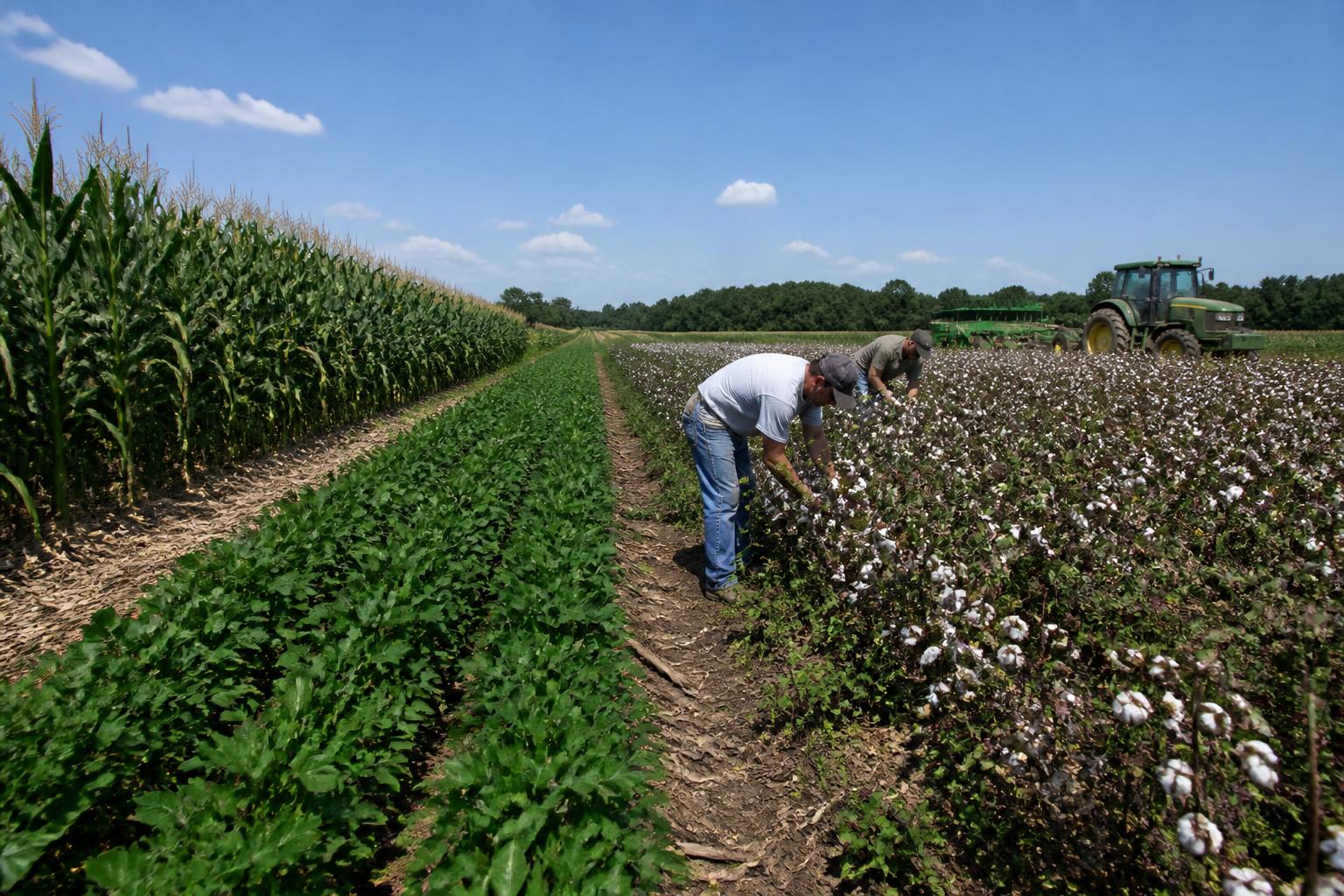
As the heat of late June settles across the Deep South, Alabama grain growers are moving into a critical phase of the summer crop cycle. While local communities celebrate the agricultural heritage of the region - such as the annual corn festivities in Madison County - commercial operators are focused on crop development, water availability, and timely marketing decisions.
This summer brings a mix of operational relief and ongoing structural challenges for growers in the Tennessee Valley, the Black Belt, and coastal plains. Navigating these factors successfully requires balancing input management with realistic pricing strategies before harvest pressure begins to build.
Pest Relief and Crop Monitoring Across Alabama
In a positive turn for row-crop producers, Alabama soybean growers have recently experienced a much-needed reprieve from severe pest pressures. This break in insect intensity allows early-planted beans to progress with less chemical intervention, helping to preserve margins in a tight pricing environment.
However, crop protection remains a high priority. Auburn University researchers continue to monitor emerging threats, including new viral pathogens affecting regional crops like cotton, emphasizing the constant need for field scouting. For grain producers, maintaining clean fields through the high-growth summer months is essential to securing the yields necessary for a profitable season.
The Irrigation Gap and Summer Water Management
Water management continues to be a defining factor for Alabama agricultural productivity. Historically, the state has played catch-up in irrigating its cropland compared to neighboring Mississippi Delta regions. The vast majority of Alabama corn and soybean acres remain dryland, leaving yields highly dependent on erratic summer rain showers.
This reliance on dryland farming amplifies the impact of brief dry spells during crucial pollination and pod-fill stages. For operations with irrigation access, optimizing water application is vital. For dryland growers, retaining soil moisture through conservation practices and timely weed control remains the primary defense against summer heat.
Strategic Grain Marketing: Avoid Holding Too Long
On the marketing front, agricultural analysts are warning growers not to hold onto corn and soybean crops for too long. With shifting global supplies and domestic demand dynamics, waiting for a dramatic market rally can backfire, leaving bins full when new crop space is urgently needed. Alabama growers should monitor local basis levels and seasonal price trends closely to lock in incremental sales.
To stay competitive and identify local delivery opportunities, producers can regularly check updated grain buyers, sellers and prices in Alabama to align their commercial strategies with current regional demand.
Key Takeaways for Alabama Producers
- Scout regularly: Capitalize on the current reprieve from heavy soybean pests, but remain vigilant as summer temperatures peak.
- Evaluate irrigation: Note local water-retention needs, especially given Alabama's reliance on dryland acreage.
- Don't delay sales: Avoid the temptation to hold grain indefinitely; establish incremental pricing targets to protect cash flow.
What it means for the market
The Alabama grain market this summer is defined by cautious optimism regarding crop health, tempered by real-world logistics and marketing constraints. With pest pressures currently manageable, the ultimate volume of the harvest will depend heavily on mid-to-late summer rainfall. Producers who actively manage their risk, secure realistic pricing, and maintain a flexible marketing plan will be best positioned to navigate the seasonal transition into autumn.
Comments
No comments yet - be the first to share your take.