
As the intense heat of late June settles across Georgia, row crop producers find themselves in a pivotal window for crop protection. High temperatures and seasonal humidity speed up weed growth and heighten pest activity, requiring diligent field monitoring. Maintaining robust management plans during the peak summer months is vital for securing yield potential across cotton, peanuts, and soybean acreage.
Two primary developments are currently shaping the crop protection landscape in Georgia: the rising threat of herbicide-resistant weeds and major regional investments in seed treatment infrastructure. Addressing these shifts requires a combination of diversified herbicide chemistry, proactive seed-level defenses, and strategic water management.
The Rising Threat of PPO-Resistant Pigweed
The spread of Palmer amaranth (pigweed) with resistance to protoporphyrinogen oxidase (PPO) inhibitors serves as a major wake-up call for Georgia agribusinesses. Pigweed has long been a highly aggressive weed in Southern row crop systems, but the documentation of PPO resistance limits the effectiveness of several standard post-emergence control options. Relying too heavily on a single mode of action has accelerated this resistance, leaving growers with fewer tools to protect their cotton and soybean fields during critical growth stages.
To combat this, weed specialists stress the importance of integrated weed management. This includes utilizing multiple, overlapping residual herbicides with different modes of action, hand-weeding when necessary, and incorporating cover crops to suppress early-season weed germination. For further details on tackling regional agricultural pressures, growers can explore our guide on managing foliar disease and invasive pests in South Georgia.
Expanding Local Seed Treatment Infrastructure
While post-emergence weed control remains a daily summer battle, early-season defense is receiving a boost from localized supply chain investments. Crop protection leader BASF has expanded its specialized facility in Georgia dedicated to seed treatments. This expansion enhances the regional availability of treated seed products, giving growers better access to early-season protection against soil-borne pathogens, nematodes, and early-season insects.
Proactive seed treatments are increasingly critical as climate and pest pressures shift. By securing seedlings during their most vulnerable growth stages, farmers can establish uniform stands that are better equipped to canopy quickly and naturally outcompete aggressive summer weeds like pigweed.
Water Management and Systemic Defense
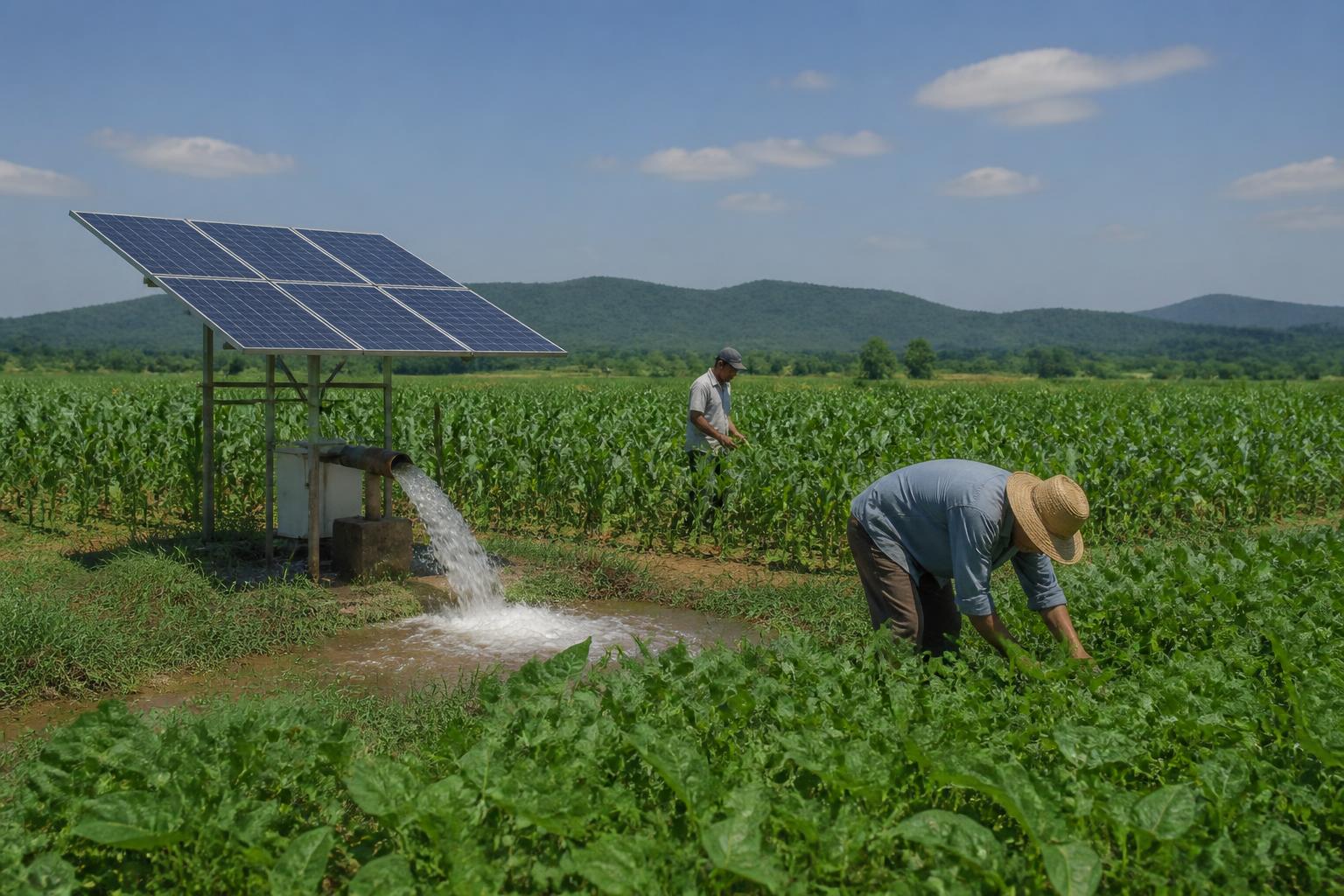
Georgia's summer crop success is deeply intertwined with water availability. In Southwest Georgia, farm-led irrigation projects and modernizations, including solar-powered well pumps, highlight the emphasis on water security. However, efficient water use goes hand-in-hand with weed control. Weeds actively compete with cash crops for moisture and nutrients, meaning poor weed control directly undermines the economic return on irrigation investments.
Furthermore, consistent irrigation or rainfall can influence herbicide activation and persistence in the soil. Crop managers must carefully time their residual applications to coordinate with moisture cycles, ensuring that pre-emergence barriers are properly activated in the soil profile without risking crop injury or excessive runoff.
Key Takeaways for Georgia Producers
- Scout regularly: Closely monitor fields for escape weeds, particularly Palmer amaranth, to detect potential PPO-resistance early.
- Diversify chemical modes: Avoid back-to-back applications of the same herbicide classes to slow down the progression of weed resistance.
- Leverage seed treatments: Take advantage of expanded local processing facilities to select high-quality seed treatments tailored for regional pest pressures.
- Coordinate water and inputs: Optimize residual herbicide activation by aligning applications with irrigation schedules and rain forecasts.
What it means for the market
The convergence of PPO-resistant pigweed and expanded regional seed treatment facilities indicates a broader market transition toward sophisticated, preventative crop input strategies. While weed resistance increases the complexity and cost of post-emergence spray programs, the localized expansion of seed treatment infrastructure offers a counter-balance by stabilizing early-season crop viability. Input buyers and distributors should expect continued demand for multi-mode chemical programs and pre-treated seeds, altering regional supply lines as Georgia growers adapt to protect their summer yields.
Comments
No comments yet - be the first to share your take.