
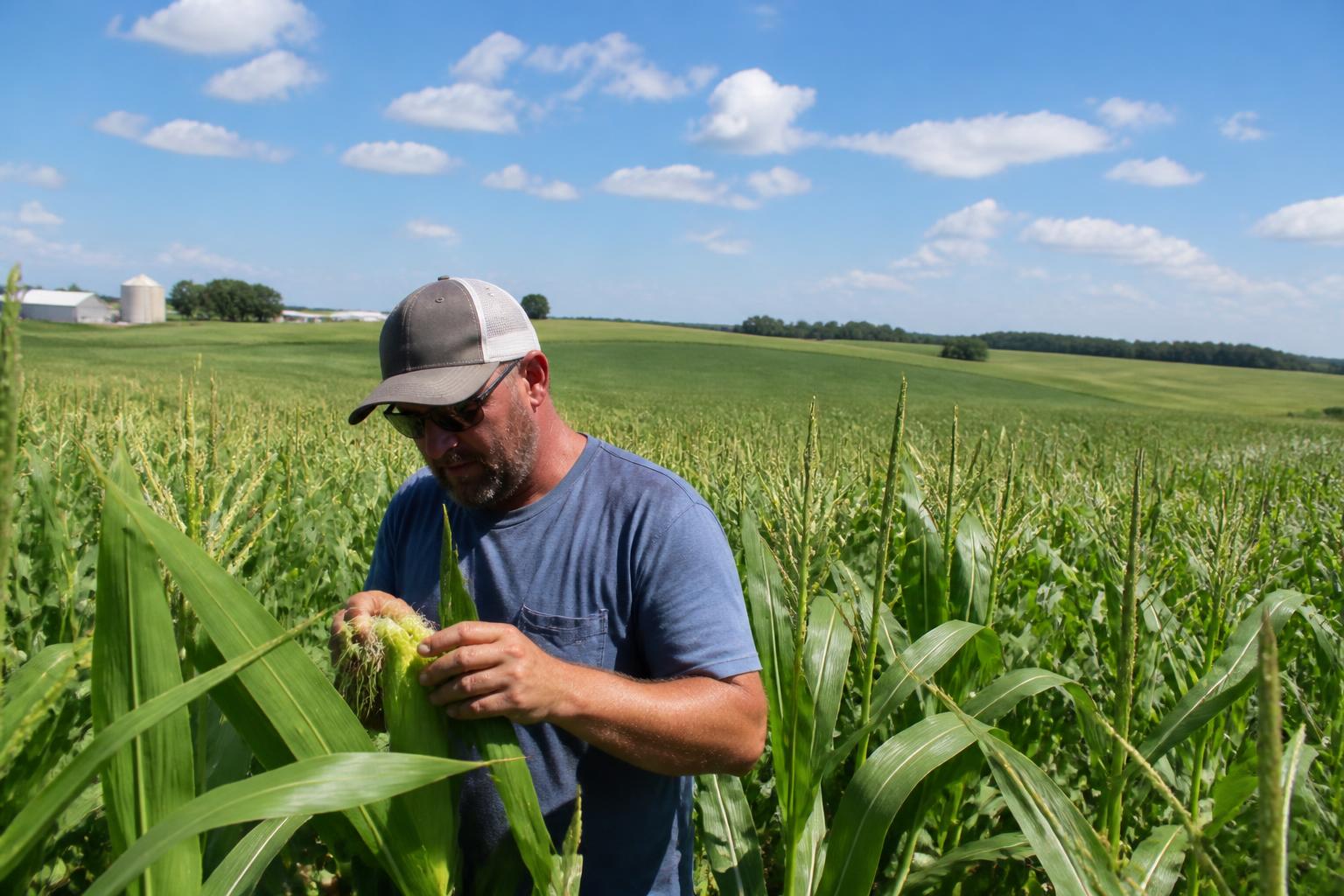
As summer temperatures settle across Nebraska, grain producers are facing a complex market landscape. While the prospect of a high-yielding corn crop is historically a point of pride, it is currently triggering concern among local growers. The anticipation of a massive harvest has intensified worries about oversupply and restricted market access, putting downward pressure on prices at a time when managing production costs is critical.
The Bumper Crop Dilemma and Local Price Pressure
Nebraska's corn fields are progressing rapidly this summer, but the potential for an abundant harvest is a double-edged sword. Local farmers are increasingly concerned that a bumper crop could outpace immediate demand, leading to depressed prices due to regional oversupply. When grain elevators and storage facilities near capacity, localized price drops often follow, forcing growers to reevaluate their marketing timelines.
In many parts of the state, particularly along major transport corridors like Interstate 80, logistics will play a vital role in moving this grain. However, with limited immediate export markets, finding space to hold or direct cash crops is challenging. Amid these concerns, growers are looking closely at historical trends where resilient yield projections clashed with global export uncertainties to better navigate the current marketing season.
Improving Efficiency and Navigating Input Costs
To protect tight margins, Nebraska producers are shifting their focus toward strict input efficiency. A new innovative nitrogen dashboard has been introduced to help farmers improve fertilizer efficiency while protecting water quality. Tools like these allow growers to optimize their nitrogen application, reducing waste during critical summer growth stages without sacrificing yield potential.
Strategic grain marketing is also becoming more urgent. Because storage capacity could be stretched thin by harvest time, planning where to sell grain in Nebraska ahead of the autumn rush can help secure better local basis bids and avoid long lines at the elevators.
Industry Collaboration and Summer Gatherings
With production and logistics challenges top-of-mind, upcoming industry events are drawing significant attention. Gatherings such as the Sandhills Global Forum are set to bring together professionals from the agriculture, construction, transport, and aviation sectors to discuss machinery values, supply chains, and freight logistics. Additionally, planning is already underway for farmers to visit Nebraska Corn exhibits at the upcoming Husker Harvest Days, providing a venue to discuss policy, market development, and new grain-use technologies. These collaborative spaces are essential for sharing strategies on navigating low commodity prices and high input costs.
Key Takeaways for Nebraska Growers
- Oversupply Concerns: Strong yield prospects are raising fears of localized grain gluts and lower cash prices.
- Input Precision: New tools like the nitrogen dashboard can help lower input costs and protect regional water quality.
- Logistics Planning: Early coordination for transportation and elevator delivery is highly recommended before the harvest rush.
What it means for the market
For Nebraska's grain sector, the combination of excellent growing conditions and limited market options means that price recovery may rely heavily on late-season demand spikes or export breakthroughs. Growers should focus on crop-protection efficiency and secure storage space early to maintain marketing flexibility when cash prices soften during the peak harvest period.
Comments
No comments yet - be the first to share your take.