
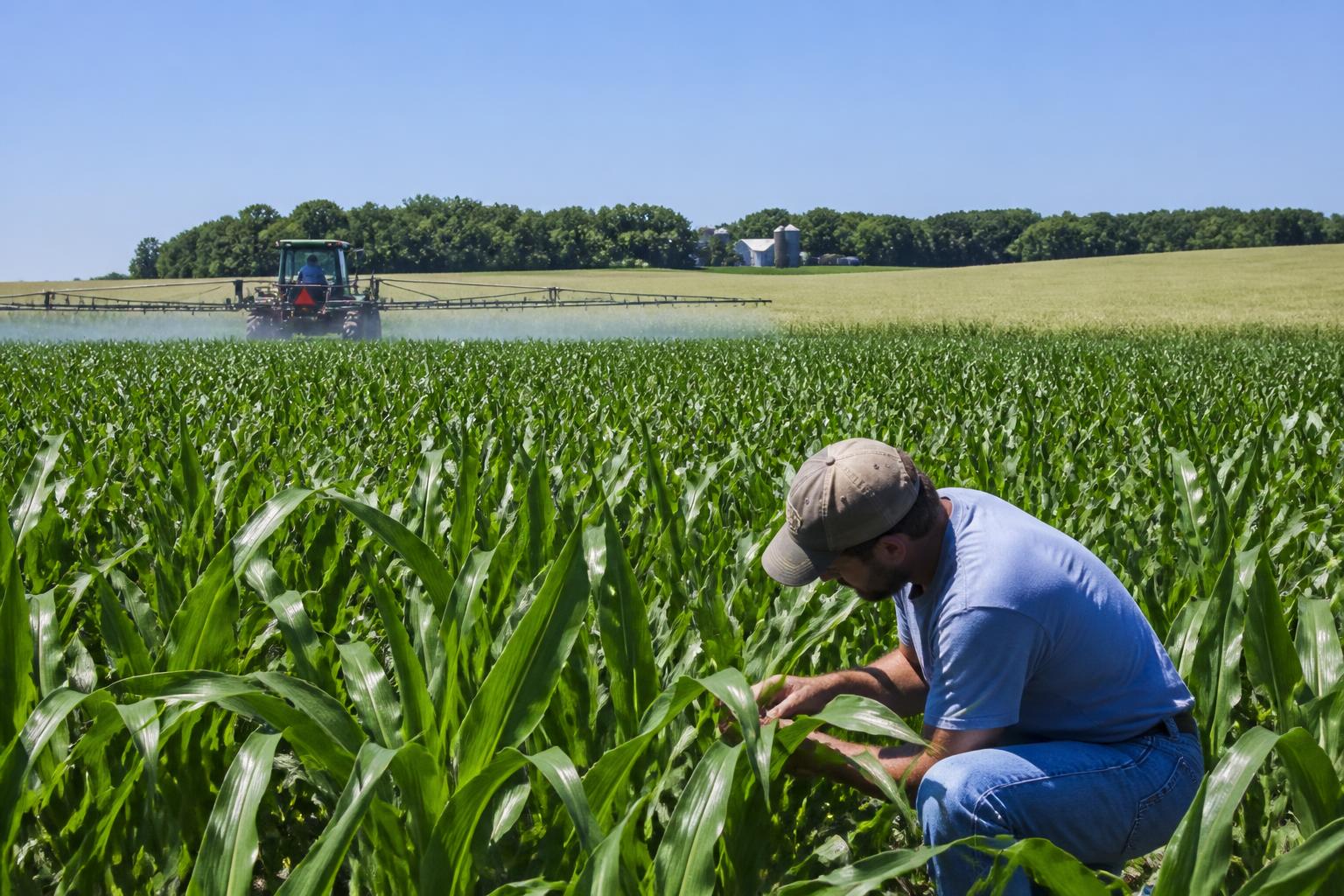
As Iowa farmers push through the heart of the summer growing season, managing crop health amid shifting weather patterns and strict regulatory deadlines remains a top priority. In late June, crop protection activities are pivoting rapidly. The passing of the June 20 cutoff for dicamba applications in Iowa has transitioned the focus to mid-summer weed control, pesticide drift mitigation, and timely fungicide applications. At the same time, rising input costs are pressing agribusinesses and growers to utilize advanced forecasting tools and conservation programs to optimize every dollar spent in the field.
Post-Dicamba Management and Drift Awareness
With the June 20 dicamba deadline now in the rearview mirror, Iowa regulators are reminding operators to maintain strict adherence to label guidelines for other post-emergence applications. Crop protection in the summer often coincides with high wind and temperature inversions, raising the stakes for pesticide drift. This is particularly critical in diversified agricultural counties where sensitive crops, such as a growing acreage of oats or conservation cover crops, are located adjacent to commercial corn and soybean fields. Keeping drift to a minimum is essential to prevent unintended crop damage and avoid costly regulatory penalties.
Timing Fungicide Applications with Predictive Tools
To protect yields against mid-to-late summer diseases, many Iowa growers are turning to crop disease forecasting models. Rather than relying on rigid calendar-based spraying schedules, these digital tools analyze local humidity, canopy temperature, and regional spore counts to help operators time fungicide applications precisely. A proactive approach to crop scouting is central to navigating Iowa crop protection and input dynamics during periods of volatile weather and tight operating margins.
With overall farm income squeezed by higher costs for inputs like fertilizer and chemicals, targeted application prevents waste and maximizes return on investment. Furthermore, with only a portion of the state's corn crop rating in the top tier of condition reports in early summer, protecting healthy canopies from disease pressure is vital to securing strong yields at harvest.
Conservation and Soil Health Integration
Sustainable management continues to gain traction across Iowa, highlighted by the state's progress in water quality and expanding cost-share programs for cover crops. Agri-service providers and conservation leaders are emphasizing the dual benefits of soil health and weed suppression that cover crops provide. Incorporating these practices helps Iowa farms manage long-term chemical resistance patterns while qualifying for financial incentives. Practical guides on cost-share opportunities are helping operators offset the initial seed and planting expenses of these systems.
Key Takeaways for Iowa Producers
- Dicamba Deadline Passed: The June 20 cutoff for dicamba applications has passed, shifting summer management to alternative weed control and drift mitigation strategies.
- Data-Driven Disease Prevention: Utilizing predictive forecasting tools helps growers optimize the timing of fungicide treatments, helping control costs amid high chemical expenses.
- Conservation Incentives: Iowa continues to expand cost-share and support resources for cover crops, promoting water quality improvements and natural weed suppression.
What it means for the market
For Iowa's agribusinesses, chemical applicators, and grain producers, the late-June transition highlights a shift from intensive chemical inputs to precision crop management. High production costs demand maximum efficiency, making digital tools and strategic conservation programs essential for protecting margins. As the summer progresses, careful execution of crop protection plans will determine whether regional yields can overcome seasonal weather hurdles to deliver profitable outcomes at the local elevator.
Comments
No comments yet - be the first to share your take.