
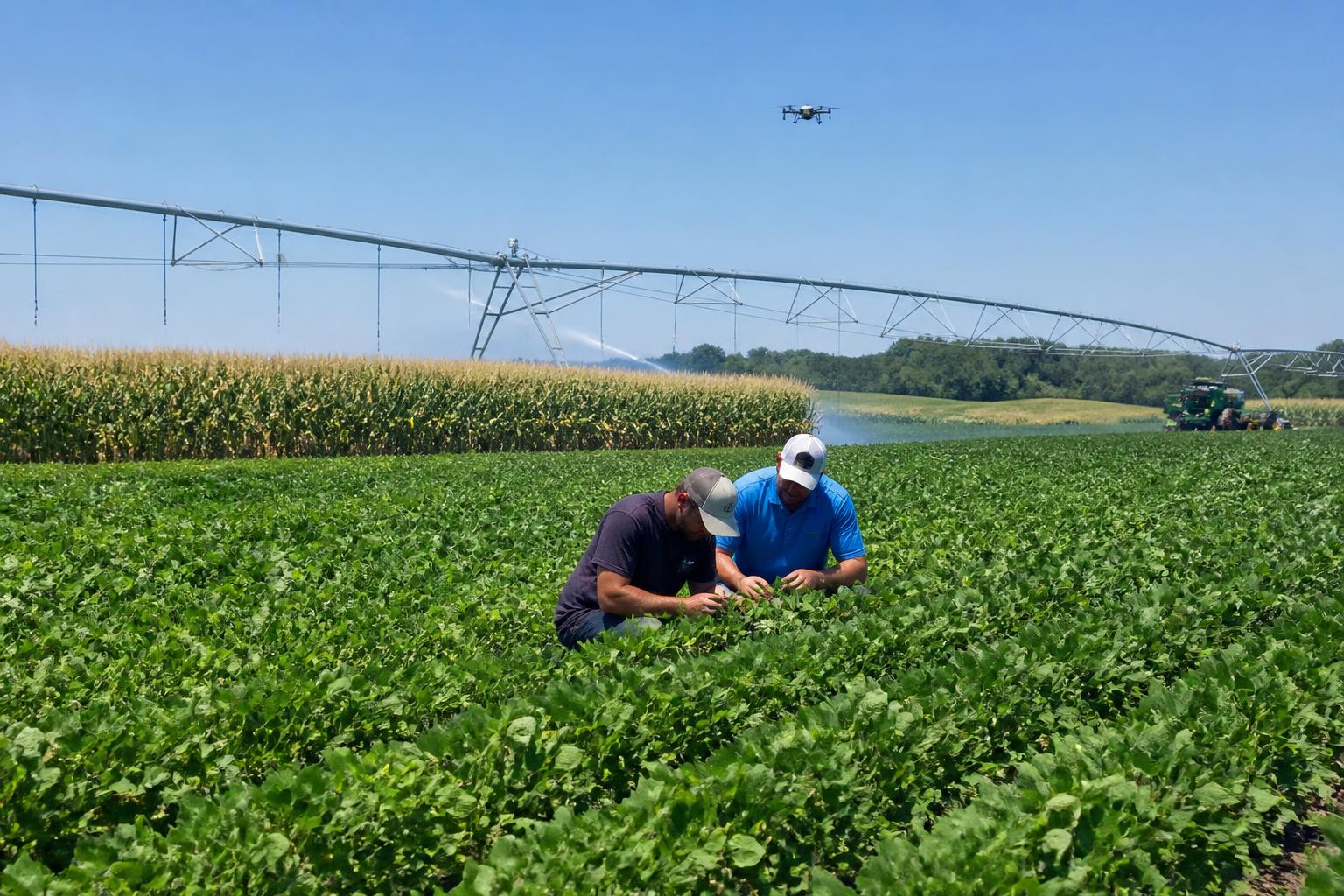
With the summer heat settling across the Midwest, Iowa corn and soybean growers are entering a critical window for crop protection. Crop health decisions made in late June can make or break seasonal yields, especially as biological threats and shifting legal frameworks change how growers manage their fields. From disease outbreaks to shifting chemical logistics, staying ahead of input dynamics is vital for protecting bottom lines.
As farmers navigate these mid-season challenges, they must balance rising input pressures with broader grain market trends, as discussed in the Iowa summer grain outlook. Managing risk today requires a combination of aggressive field scouting and a sharp eye on supply chain resilience.
The Growing Threat of Tar Spot in Iowa Corn
Fungal pressure is emerging as a primary concern for local producers. Tar spot has already been confirmed in corn crops across 26 Iowa counties. This rapid spread underscores the necessity of timely fungicide applications and diligent crop scouting, especially in high-risk areas. Farmers along key agricultural corridors are monitoring weather patterns closely, knowing that humid summer conditions can accelerate the spread of the pathogen.
Effective management relies heavily on securing the right inputs at the right time. For detailed insights on managing these costs, growers can review recent analysis on Iowa crop protection and input dynamics. Ensuring applicator access and product availability remains a top priority as the window for effective mid-season treatment tightens.
Pesticide Liability and the Battle Over Chemical Access
Beyond active biological threats in the field, Iowa growers are closely watching significant legal and legislative battles. Many agricultural producers are expressing deep concern as major U.S. pesticide manufacturers push for legislative measures that would bar cancer-related lawsuits against their products. This push has sparked intense debate over long-term liability, safety standards, and the future availability of essential crop protection tools.
At the same time, geopolitical events continue to impact farm budgets. For instance, recent global tensions have driven up fertilizer costs. Many producers, along with leadership from organizations like the Iowa Farm Bureau, where President Hill was recently re-elected, are looking to the upcoming federal Farm Bill to help break the cycle of input volatility. Some agricultural advocates, such as cover crop pioneer Sarah Carlson, also suggest that accelerating the adoption of cover crops and biological strategies could help Iowa farms reduce their heavy reliance on high-priced synthetic inputs over time.
Supply Chain Shifts and Logistics Partnerships
To keep pace with regional demand and ensure that critical chemicals reach fields during peak application windows, crop protection companies are restructuring their logistics. Syngenta and WSI recently marked five years of partnership by expanding their integrated logistics services. For Iowa distributors and retailers, these streamlined distribution networks are critical for preventing local bottlenecks during sudden pest or disease outbreaks.
Efficient delivery systems are especially crucial now, as compounding crop protection costs collide with broader market pressures on Iowa corn and soybeans. Improving distribution efficiency helps prevent localized shortages and ensures that growers can protect their crop potential without incurring prohibitive shipping premiums.
Key Takeaways for Iowa Growers
- Scout Early and Often: With tar spot confirmed in 26 counties, early detection is critical to target fungicide applications effectively.
- Monitor Policy Shifts: Keep a close eye on the Farm Bill debate and pesticide liability legislation, which could reshape input availability and long-term farm safety nets.
- Leverage Logistics: Work closely with local retailers to secure crop protection supplies ahead of peak demand windows to avoid shipping delays.
What It Means for the Market
As summer progresses, the intersection of disease pressure, high input costs, and legal uncertainty will likely keep crop protection at the forefront of farm management conversations. While expanded logistics networks help stabilize chemical delivery, localized disease outbreaks and volatile global energy markets mean that margins will remain tight. Farmers who combine disciplined scouting with strategic input purchasing will be best positioned to protect their yields and navigate the current price squeeze.
Comments
No comments yet - be the first to share your take.