
As summer heat settles across the Piedmont and Coastal Plain, North Carolina growers are carefully calculating their input strategies to protect narrow profit margins. With fertilizer and crop protection costs continuing to weigh heavily on operating budgets, the focus this season has shifted squarely to input efficiency, soil fertility diagnostics, and diversifying crop rotations.
To maximize yields without overspending, farmers are taking a closer look at local nutrient guidelines, testing novel application methods, and assessing whether alternative winter crops can improve soil health while bringing in extra revenue.
Reassessing Soybean Potash and Fertilizer Efficiency
A central topic of discussion among North Carolina soybean producers is whether the state's traditional potash recommendations are still adequate for modern, high-yielding varieties. Potassium is essential for water regulation and disease resistance in soybeans, yet static application formulas may not fully support the nutrient demands of intensive modern cropping systems.
At the same time, innovators in the region are exploring more targeted delivery systems. This includes analyzing whether herbicide-coated fertilizers can perform effectively for cotton growers, allowing them to apply nutrients and weed control in a single pass. For most growers, optimizing these applications is a direct response to high retail overheads, forcing a renewed focus on monitoring retail input prices and nutrient efficiencies across all major row crops.
Diversifying Rotations with Winter Canola and Biologicals
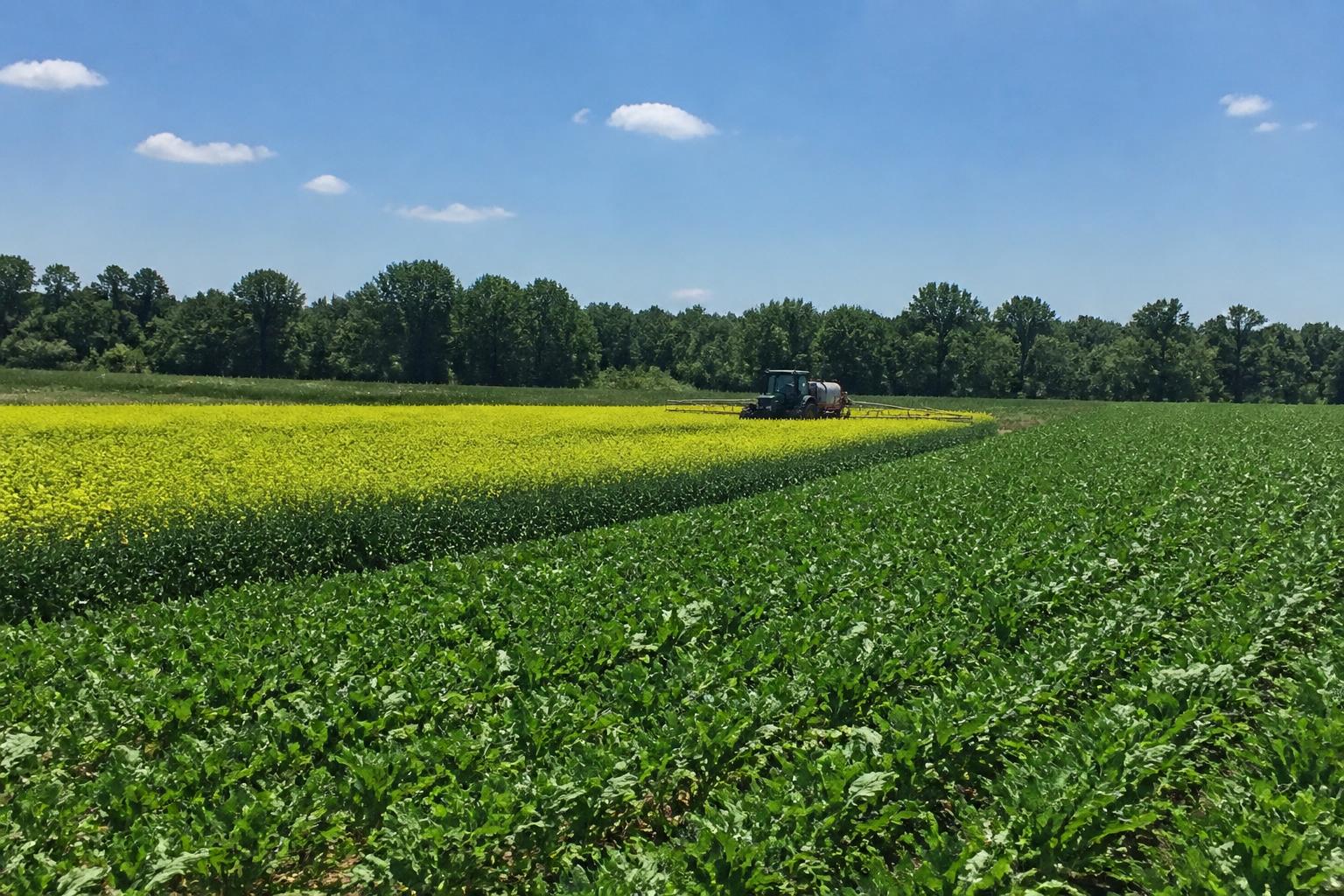
In search of agronomic resilience, researchers and growers are evaluating winter canola as a viable rotation option. Canola could rotate well with winter grains in North Carolina, offering a deep taproot system that can scavenge subsoil nutrients, disrupt weed cycles, and improve soil structure for subsequent summer crops.
Additionally, the commercial biologicals market is undergoing intense scrutiny. Long viewed with skepticism by some conventional growers, there is an industry-wide push to move biological crop stimulants and soil inoculants beyond the "snake oil" reputation. Independent field trials and university-backed research are increasingly helping farmers identify which biological products offer measurable yield responses and which are unnecessary expenses during tight financial years.
Summer Field Days and Soil Management
To help producers navigate these complex agronomic choices, local research stations are hosting interactive summer events. The upcoming North Carolina peanut field days, scheduled for September 5 and September 11, will give growers a hands-on look at disease management, variety performance, and soil preservation techniques. Incorporating these agronomic insights is key to optimizing North Carolina summer crop strategies while balancing soil moisture requirements and overall crop health.
What it means for the market
For agribusinesses and local crop advisors, North Carolina's shift toward intensive input management means that blanket agronomic recommendations are no longer sufficient. Farmers are demanding verified, localized trial data before committing to fertility changes or biological inputs. Companies that provide clear, ROI-driven data on potash rates, herbicide-fertilizer combinations, and alternative winter crop profitability will find the most receptive audience among Carolinas growers looking to secure their bottom line.
Comments
No comments yet - be the first to share your take.