
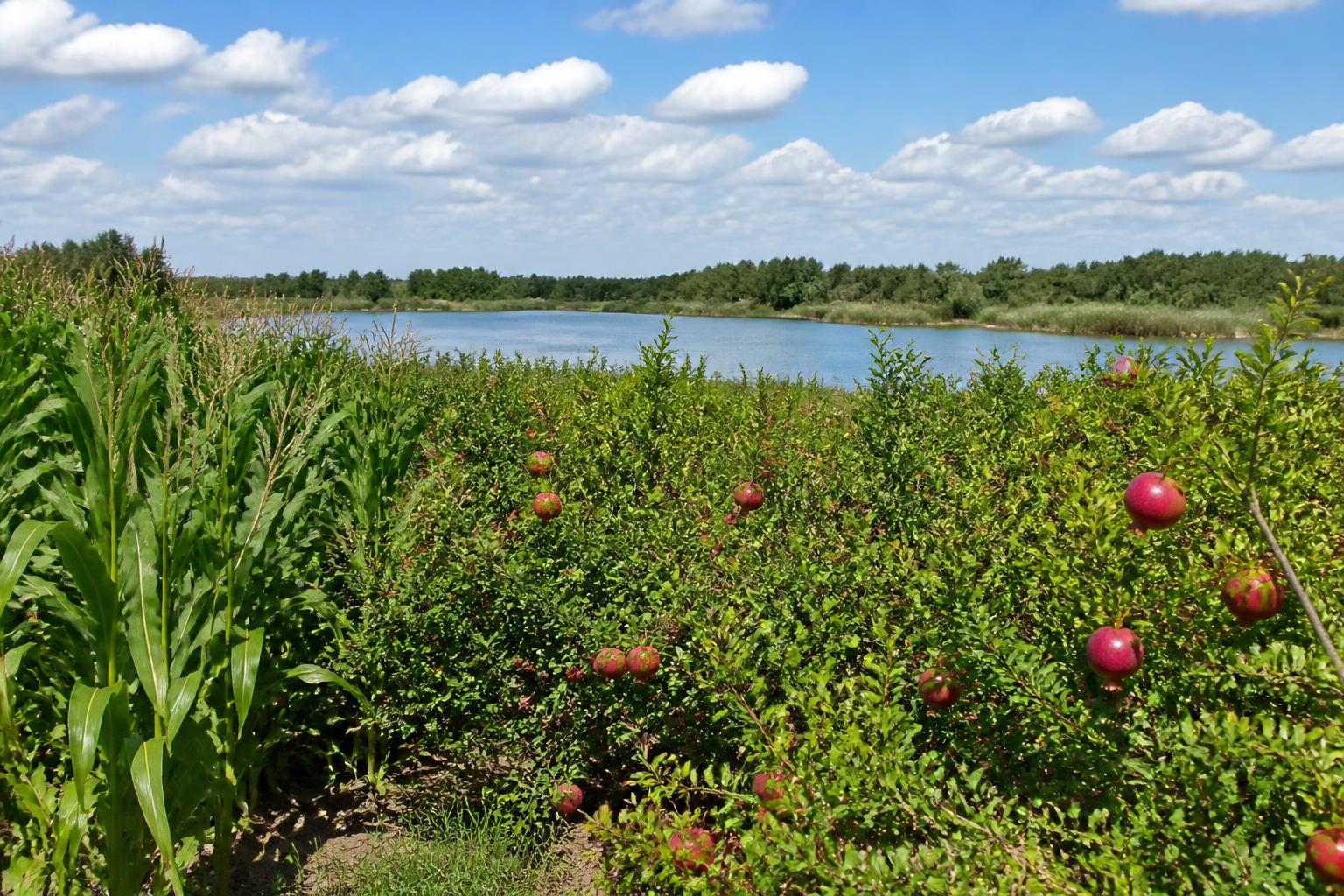
Summer in Florida brings unique challenges for regional grain and feed distributors. While the state is famous for its year-round specialty crops, including sweet corn, local livestock operations and feedlot managers are navigating a tighter market. Ranchers and feed buyers across the state are keeping a close watch on grain transportation and pricing, especially as national cattle and beef market dynamics shift.
The Feed Corn and Sweet Corn Dynamic
While sweet corn operates as a major commercial crop in Florida, maintaining a robust year-round retail presence, the focus for grain handlers is often on the secondary silage and feed corn markets that supply Florida's dairy and beef sectors. These livestock operations rely heavily on consistent nutrition to maintain herd health through the humid summer months.
With cattle ranchers facing pressure over beef prices and rising operational costs, feed efficiency has become more critical than ever. Livestock producers are looking for ways to optimize their feed rations, searching for affordable local silage or alternative high-protein grain mixes to keep input costs manageable.
Trade and Logistics Realities
Florida's geography means much of its bulk feed grain must be imported from the Midwest or via coastal ports. To understand how these regional transport corridors are adapting, local operators can review the Florida Grain and Feed Markets: Summer Supply Shifts, Logistics Expansions, and Policy Worries. These supply chains are vital for keeping local mills supplied with corn, soybeans, and wheat middlings.
Furthermore, international trade remains on the horizon. Recent agricultural trade missions to growing markets like Vietnam have highlighted rising global demand for high-quality feed ingredients, which could eventually reshape export flows and influence domestic grain values in the southern United States.
Environmental and Weather Pressures
Water quality management, particularly around the Everglades, continues to dominate regional agricultural policy. While much of the focus historically centers on sugar production, grain and livestock operations in the southern half of the peninsula face tightening nutrient management guidelines. Producers are adopting more precise agronomic practices to comply with conservation goals while protecting yields.
Additionally, weather volatility remains a constant risk. Though Florida farmers are currently managing summer heat and humidity, memories of past winter freezes and severe storm events remind operators of how quickly supply chains can be disrupted, causing billions of dollars in agricultural losses across the state.
Key Takeaways for Florida Agribusinesses
- Optimize Feed Formulations: Cattle ranchers are looking to mitigate high input costs by exploring local grain alternatives and high-yield silage options.
- Monitor Transport Corridors: Efficient logistics remain the backbone of Florida's grain supply, making port and rail infrastructure critical during peak demand periods.
- Focus on Precision Ag: Strict regional conservation policies mean grain and feed producers must prioritize nutrient management and water preservation.
What it means for the market
For Florida grain buyers and livestock producers, the summer market demands a highly strategic approach to sourcing and logistics. With input prices under pressure and regulatory scrutiny on water and land use intensifying, success will belong to those who secure reliable supply chains early and utilize precision feeding strategies. Expect feed prices to remain closely tied to transport efficiency and national grain shipping rates in the coming months.
Comments
No comments yet - be the first to share your take.