
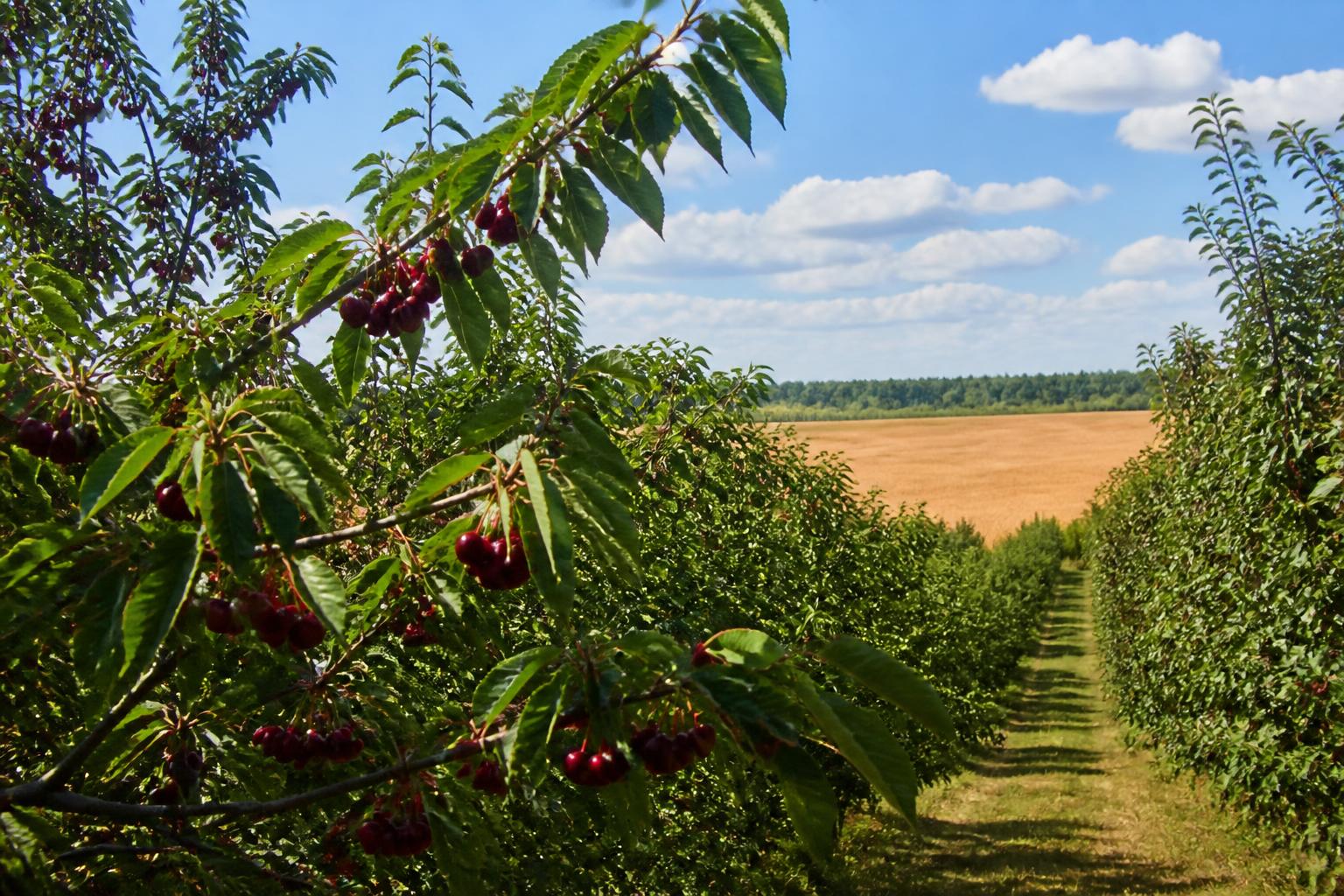
As summer settles over Michigan's agricultural corridors, growers are navigating a complex landscape of severe production losses, regulatory votes, and shifting labor economics. The state's signature cherry crop is facing a historic production collapse, underscoring the vital importance of risk mitigation and proactive crop defense. At the same time, row crop producers and specialty crop growers across the state are evaluating long-term protection programs and navigating policy pressures that threaten operational viability.
Michigan Specialty Crops Face Historic Production Deficits
Michigan's fruit belt, stretching along the Lake Michigan coastline, is grappling with a severe supply crisis in its cherry orchards. A combination of volatile spring weather and escalating pest pressures has triggered a major production downturn, leaving many orchards with thin yields. To safeguard what remains of the harvest, producers are intensifying their pest management protocols to defend fruit quality against late-season insects and fungal diseases.
Managing these risks requires a combination of timely chemical applications and robust financial planning. Many fruit growers are reassessing their safety nets, looking toward Michigan crop protection and risk management strategies like margin insurance and targeted insecticides to insulate their operations from catastrophic weather events. With the harvest season active, protecting the remaining specialty fruit is a top priority for local packers and distributors.
MDARD Announces Michigan Wheat Program Continuation Vote
On the field crops side, the Michigan Department of Agriculture and Rural Development (MDARD) is preparing for a referendum that will shape the future of regional grain research. Michigan wheat producers will soon vote on whether to continue the Michigan Wheat Program. This program funds critical regional research, agronomic support, and crop defense trials tailored specifically to the unique soil and weather conditions of the state.
For growers in major producing regions like the Thumb and central Michigan, the program's research is instrumental in combating diseases like head scab and managing nutrient applications. This ongoing research is highly integrated with daily field management, reflecting the priorities detailed in recent mid-summer crop protection updates and applicator compliance guidelines. A continuation of the program would secure funding for independent field trials and protection studies for another cycle.
Labor Cost Pressures Challenge Orchard Protection and Hygiene
Beyond weather and disease, policy changes are complicating how specialty crop growers manage their fields. Fruit and vegetable producers are raising alarms over changes to the agricultural wage structure, warning that the current rate adjustments are creating dire financial conditions. Because high-value specialty crops require intensive labor for pruning, hand-thinning, and orchard hygiene, rising wage rates directly limit a grower's ability to maintain optimal crop protection practices.
Without adequate labor to clear fallen fruit or manage tree canopies, pest habitats can expand rapidly. Growers are forced to balance the rising cost of manual field labor against the necessity of keeping orchards clean and free from invasive pests. This economic pressure is accelerating interest in automated sprayers and mechanical weeding solutions, though capital constraints remain a hurdle for many family-operated farms.
What it means for the market
The convergence of a shortened cherry harvest, rising labor costs, and upcoming policy referendums is driving up the risk profile for Michigan agriculture this summer. Expect tight supplies and elevated market prices for regional specialty fruits, while grain producers should watch the outcome of the MDARD wheat vote to gauge future research and crop defense funding. For agribusinesses and input suppliers, these challenges emphasize the growing demand for highly efficient, cost-effective crop protection inputs and automated technologies that reduce reliance on manual labor.
Comments
No comments yet - be the first to share your take.