
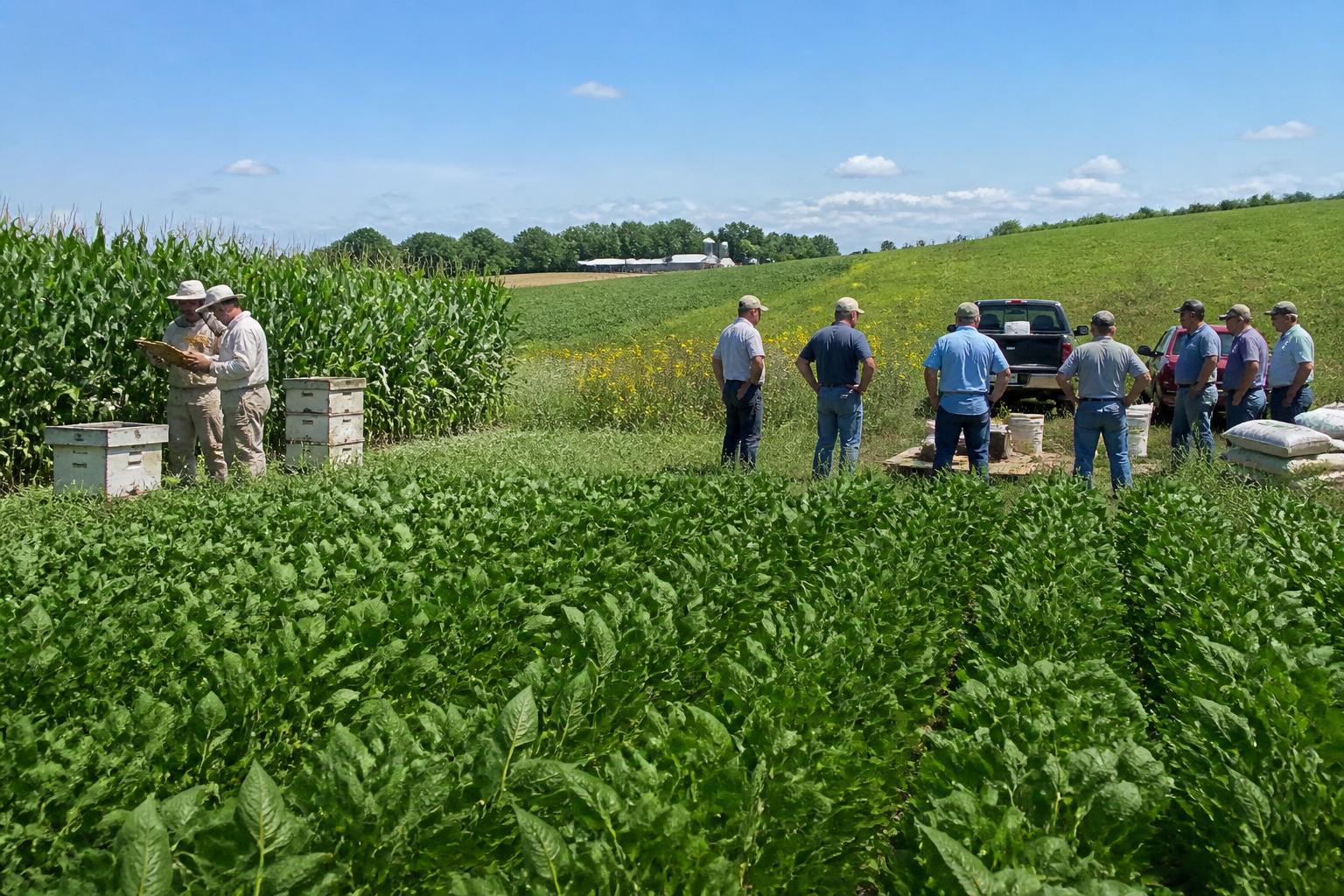
As the summer heat settles over New York's agricultural heartland, growers from the Finger Lakes to the Hudson Valley are balancing the dual demands of active crop protection and pollinator preservation. With June 2026 bringing critical seasonal management decisions, state initiatives are emphasizing the vital connection between insect health and robust crop yields.
This effort aligns closely with broader state goals to protect pollinators while maintaining farm productivity. For growers seeking to navigate these complex guidelines, understanding how to apply modern protection strategies without harming local honeybee populations is essential for summer success.
The Pollinator Balance and State Programs
Protecting the insect populations that pollinate New York's diverse specialty crops is a high priority this summer. The New York State Department of Agriculture and Markets recently highlighted the importance of beekeeper registration and voluntary participation in the New York State Grown & Certified program. By tracking apiary locations, the state aims to foster better communication between honey producers and crop growers who utilize pesticide sprays.
This cooperative approach helps commercial pesticide applicators identify nearby hives before spraying, reducing the risk of accidental exposure. This initiative fits into a larger regional pattern of regulatory changes, as outlined in our review of New York crop protection managing environmental risks this season.
Innovation and Regional Agri-Business Opportunities
New York continues to foster agricultural innovation, which directly impacts how growers protect their fields. The state's prominent $3 million Grow-NY global business competition consistently highlights startups working on sustainable input solutions, biological crop protection, and targeted application technologies. These advancements aim to reduce chemical drift and lower environmental footprints while maintaining defense against summer pests.
In addition to startup innovations, academic partnerships are exploring new frontiers in plant health. For instance, collaborative research involving New York institutions has even looked into acoustic monitoring of crop growth, emphasizing how closely local experts study plant development. In a shifting trade environment, adapting local marketing plans is just as important as on-farm protection; see the New York grain market brief for insights on pricing under global pressure.
Practical Field Steps for Summer Protection
To successfully navigate crop protection in the peak of summer, New York producers should consider several practical management steps:
- Check the Registry: Consult local beekeeper registries before scheduling pesticide applications to ensure nearby apiaries are protected.
- Timing is Everything: Apply crop protection products during the late evening or early morning hours when pollinators are less active.
- Minimize Drift: Use low-drift nozzles and monitor local wind speeds, especially in fields bordering woodlots or wildflower plantings.
What it means for the market
Maintaining a healthy balance between chemical protection and biological pollinators secures long-term specialty crop yields across New York State. Adhering to these integrated pest management strategies helps preserve market access and premium branding for local growers. As buyers increasingly demand sustainably grown products, farms that actively protect beneficial insects while maintaining high crop standards will remain highly competitive in both regional and national markets.
Comments
No comments yet - be the first to share your take.