
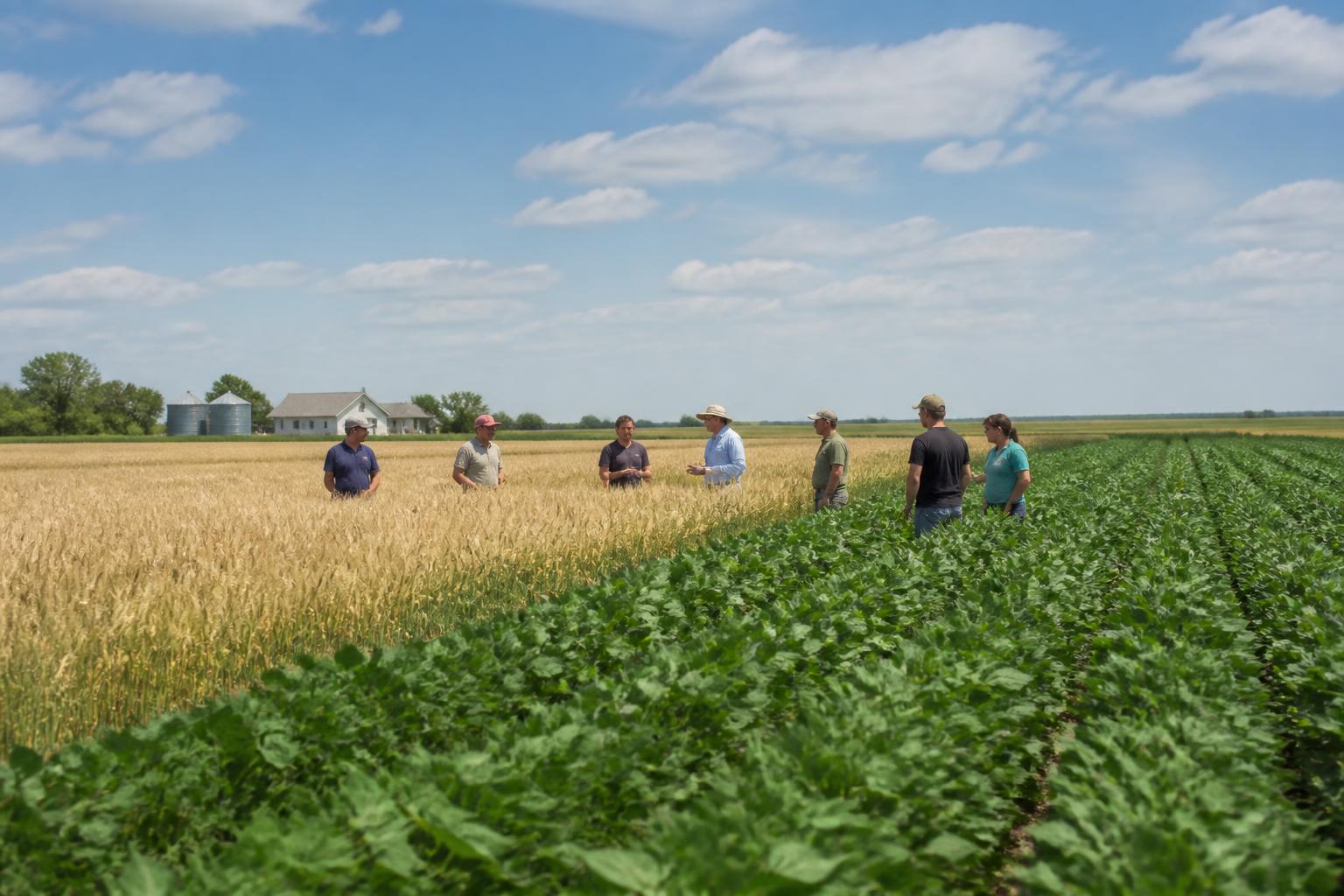
As the summer harvest season progresses across the Sunflower State, Kansas agribusinesses, grain elevators, and commercial carriers are adapting to rapidly shifting regional transport patterns. While international partnerships and trade delegations fuel terminal export demand, localized logistics developments-such as a newly planned soybean crushing facility in southeast Kansas-are poised to structurally reshape regional truck and rail traffic flows.
For local operators, these changes mean navigating immediate summer haulage pressures while planning for long-term changes in point-to-point delivery routes. From the major highway corridors like I-70 and I-35 to rural county roads, keeping grain moving efficiently is the primary focus for the state's agricultural economy.
New Soybean Processing Facilities Alter Local Hauling Routes
The announcement of a new soybean crushing facility in southeast Kansas represents a major shift for the state's oilseed logistics. Traditionally, a significant portion of soybeans grown in the eastern and southern counties had to be trucked longer distances to out-of-state processing hubs or major river terminals. Once fully operational, this localized crushing capacity will keep more truck traffic within state borders, providing growers in southeast Kansas with a direct, high-capacity delivery point.
This shift in destination hubs is expected to alter regional heavy truck traffic, requiring local county road systems to prepare for consistent, year-round delivery patterns rather than seasonal export-only rushes. Keeping ahead of these shifting destination hubs has also driven commercial consolidations, as highlighted by recent regional freight acquisitions aimed at securing dependable haulage capacity ahead of peak harvest demand.
International Trade Alliances Spark High-Volume Grain Shipments
On the export front, Kansas wheat and grain products continue to find strong demand globally. A recent visit from a Taiwan trade delegation to Kansas underscores the ongoing reliance of international buyers on reliable U.S. grain supply chains. Additionally, countries like Nigeria are deepening their partnerships with U.S. wheat suppliers, accelerating the demand for premium quality grains that are frequently sourced from the high-performing fields of western and central Kansas.
To move these high-volume orders, grain handlers are relying heavily on Class I rail networks and regional shortlines to transport grain toward Gulf ports. Truck-to-rail transload facilities throughout Kansas are feeling the pressure to maintain quick turnarounds to prevent bottlenecks at crucial intersections.
Navigating Summer Transport Constraints and Weather Bottlenecks
Operating a smooth logistics network in Kansas is never without its challenges. Unpredictable summer weather can rapidly disrupt transport operations. This vulnerability was highlighted by a recent severe weather incident where workers became stranded overnight at major processing facilities in Dodge City and Holcomb, demonstrating how quickly localized transport networks can halt when adverse conditions strike.
In addition to weather disruptions, driver availability and vehicle maintenance continue to be limiting factors during peak harvest weeks. When localized truck shortages occur, managing the flow of wheat and oilseeds becomes a balancing act, requiring grain managers to be highly strategic in managing local storage constraints to avoid lengthy wait times at the scale house.
Key Takeaways for Kansas Agri-Logistics
- Southeast Kansas Crush Facility: The planned processing plant is set to localized truck flows and shorten average haul distances for regional soybean growers.
- Global Export Pull: Trade visits from East Asia and strong West African wheat demand are sustaining high-volume rail corridors from Kansas to the Gulf.
- Operational Vulnerabilities: Recent weather-related transit issues in western hubs like Dodge City emphasize the need for robust contingency shipping plans.
What it means for the market
For Kansas farmers and commercial haulers, the logistics landscape is becoming more localized but highly demanding. The transition toward regional processing facilities will provide reliable, year-round destinations for oilseeds, potentially insulating producers from some Gulf-port export logistics disruptions. However, during the height of the summer harvest, carriers must remain nimble, utilizing real-time scheduling and maintaining flexible transport routes to bypass local elevator bottlenecks and maximize the value of their haulage assets.
Comments
No comments yet - be the first to share your take.