
The New Heart of Midwestern Ag Distribution
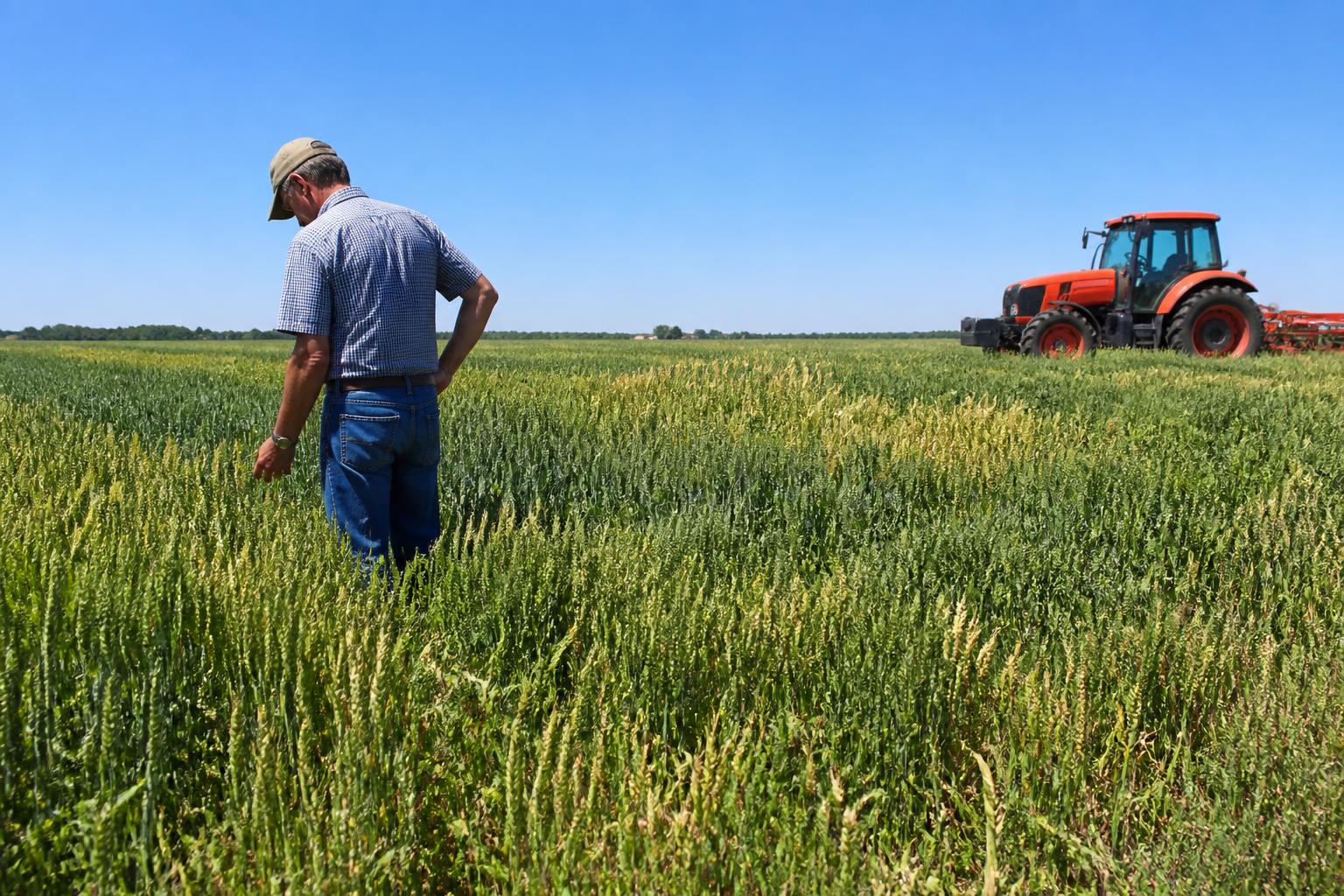
Central Kansas is experiencing a major surge in logistics infrastructure. Machinery giant Kubota has selected Kansas as the site for its new North American Distribution Center, cementing the state's role as a vital hub for heavy machinery transit. Simultaneously, America's largest roofing manufacturer is investing 300 million dollars in a major new manufacturing plant in Newton, located in Harvey County. This massive industrial footprint is expected to drive heavy truck traffic and bulk freight demand across regional corridors like Interstate 135 and Highway 50.
These developments occur as grain haulers navigate seasonal shipping pressures. The coordination of industrial freight alongside traditional grain transport remains a complex balancing act. Local grain handlers are increasingly monitoring how these long-term industrial projects will interact with regional trucking capacity, especially during peak hauling seasons. For a deeper look at these shifting dynamics, operators can read about Kansas Grain Logistics: Local Infrastructure Shifts and Export Demands Reshape Summer Trucking to understand how local corridors are adapting.
Input Volatility and Bulk Hauling Pressure
Beyond equipment and industrial freight, the movement of crop inputs remains highly volatile. Rising geopolitical tensions, particularly conflicts in the Middle East, have triggered sudden surges in fertilizer prices. This comes at a time when the global fertilizer industry is consolidating, leaving local retail distributors and co-ops with fewer supply options and more volatile freight rates. Transporting bulk liquid and dry fertilizers safely and cost-effectively across Kansas roads has become a primary operational challenge.
These high logistics costs are compounding the financial pressure on producers. High fuel costs and complex routing mean that the final delivered price of essential nutrients remains elevated. Producers looking to optimize their marketing windows in response to these cost pressures can explore how Kansas Farm Budgets Feel the Squeeze as Energy Costs and Grain Marketing Pressures Align.
Alternative Crops and Machinery Freight Shifting
At the same time, state officials are exploring ways to diversify the regional ag economy. Legislative auditors in Kansas have recently assessed the economic prospects of the state's fledgling industrial hemp crop. While hemp transport presents unique logistical hurdles regarding tracking and bulk processing, it highlights the ongoing search for alternative revenue streams in a challenging commodity environment.
Machinery procurement is also in transition. Although past federal policy reduced certain tariffs on farm machinery, the overall cost of acquiring and transporting heavy machinery continues to trend upward. For dealerships and logistics providers, moving oversized implements from manufacturing facilities to local fields requires meticulous route planning, permitting, and fuel management under tight summer schedules.
Key Takeaways for Kansas Operators
- Industrial Growth: Major commitments like the Kubota distribution facility and the Newton manufacturing plant will permanently alter central Kansas freight corridors.
- Fertilizer Freight: Consolidation and global logistics disruptions mean bulk fertilizer shipping will require more lead time and flexible contracting.
- Diversification: Legal and logisitical reviews of alternative crops like industrial hemp continue, though processing infrastructure remains a critical bottleneck.
What it means for the market
For the Kansas agricultural market, the expansion of commercial distribution hubs signals robust long-term logistics health, but it also means stiffer competition for local trucking assets. As industrial manufacturers and heavy equipment companies secure dedicated freight lanes, agricultural shippers may face tighter flatbed and bulk transport availability. Navigating this environment will require closer cooperation between farmers, local elevators, and regional freight dispatchers to keep commodities moving efficiently through the summer and beyond.
Comments
No comments yet - be the first to share your take.