
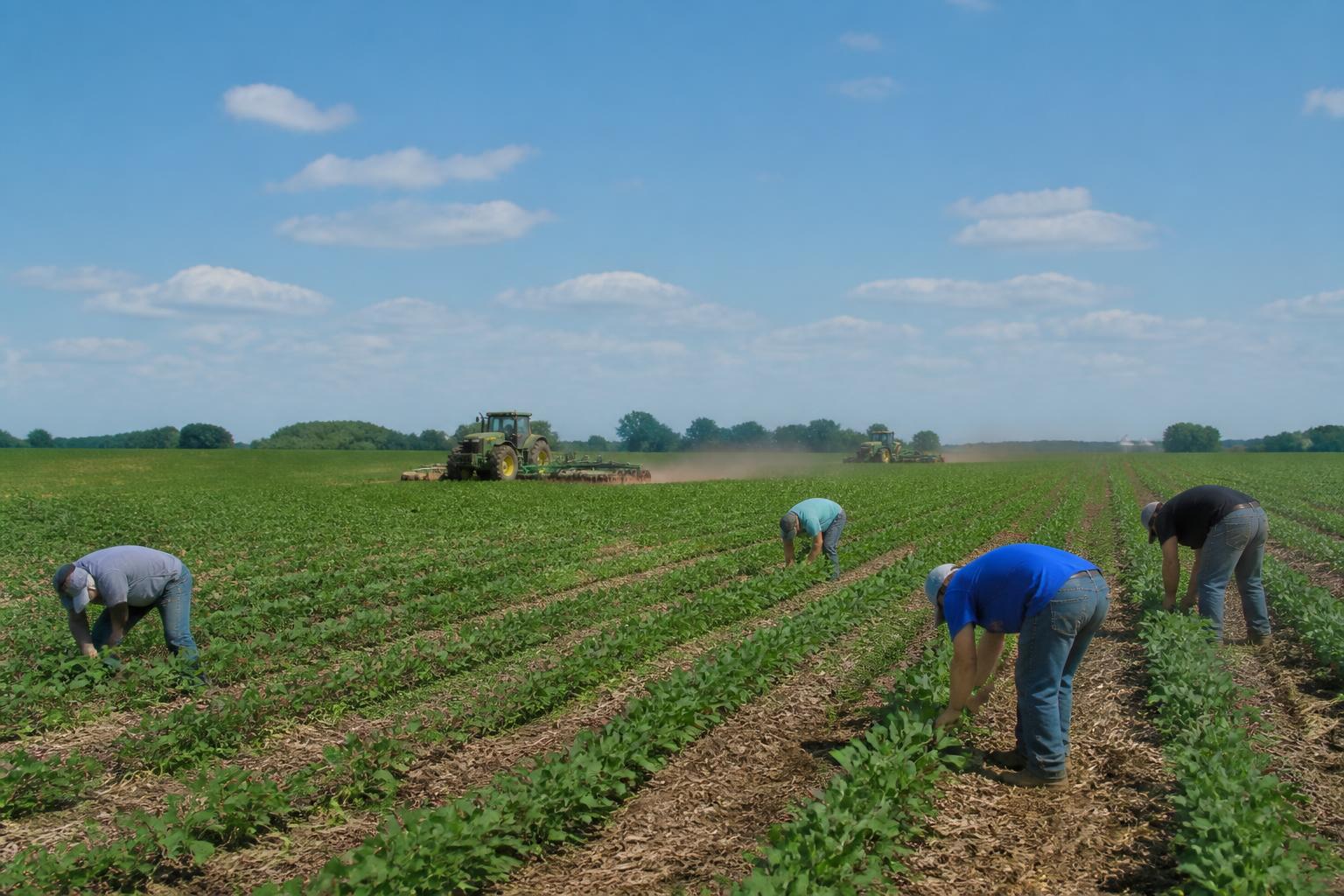
Farmland Distribution and the Granite State Reality
Recent national data comparing farmland distribution across the United States underscores a stark geographic contrast. While massive agricultural states dominate total acreage metrics, New Hampshire's agricultural strength lies in its intensive, high-value operations. Granite State farms typically navigate smaller, fragmented parcels of land, which requires a focus on high-yield specialty crops, pasture-raised livestock, and direct-to-consumer sales rather than bulk commodity grain production.
Operating on a smaller scale presents unique economic pressures, particularly regarding input costs and equipment amortization. To maintain viability, many local operations are combatting these structural scale challenges by turning to high-value markets, as explored in the trend of how New Hampshire farms adapt to rising costs through regional food hubs, agritourism, and diversified forage options.
Machinery Leadership and Small-Farm Technology
National equipment manufacturers, such as John Deere under the strategic direction of its corporate leadership, continue to balance high-horsepower broadacre machinery with precision technology suitable for smaller operations. For New Hampshire farmers, access to versatile utility tractors, advanced haying tools, and smart implement attachments is critical. These technological advancements allow part-time and family-scale operators to manage labor shortages and optimize field work during tight summer windows.
Keeping these machines running efficiently is particularly crucial during busy summer cutting and harvesting seasons. Dependable dealership support and robust preventative maintenance are vital, especially when local growers are busy managing dry summer conditions and keeping fields productive under changing weather patterns.
Optimizing Input Efficiency in a Localized Market
Because every acre of tillable land in New England carries premium value, input efficiency is paramount. Unlike Midwestern operations that purchase seed, fertilizer, and feed by the trainload, New Hampshire operators rely on tight-knit regional supply chains and local feed dealers. This localized market structure requires precise inventory tracking and collaborative purchasing to mitigate the volatility of national freight and wholesale pricing.
To stay viable, many local producers closely coordinate their input purchases and seasonal feeding programs, keeping an eye on how New Hampshire grain and feed trends shape summer supply availability and local conservation programs.
Key Takeaways for New Hampshire Growers
- Scale-Appropriate Tech: Focus on versatile utility machinery and precision attachments that maximize output on limited acreage.
- Collaborative Sourcing: Leverage local agricultural cooperatives and regional supply hubs to buffer against national input price fluctuations.
- Land Preservation: Maintain participation in local conservation programs to protect soil health and secure long-term land access.
What it means for the market
As national agricultural policies and manufacturing strategies adapt to shifting corporate leadership and global trade demands, New Hampshire's ag sector must remain nimble. The premium placed on regional food security and local sourcing offers a buffer against commodity market downturns. For local agribusinesses, the summer ahead will require careful resource allocation, targeted equipment upgrades, and a continued focus on localized supply chains to ensure resilient margins.
Comments
No comments yet - be the first to share your take.