
Florida agricultural authorities and growers are celebrating a major regulatory and biosecurity milestone this summer. The state has officially declared victory over a highly threatening invasive fruit fly population, lifting quarantine restrictions and allowing local growers to return to business as usual. This successful eradication brings immense relief to specialty crop producers, packing houses, and logistics providers across the peninsula, particularly those shipping sensitive agricultural commodities out of key production zones.
The eradication effort underscores the critical importance of rapid-response biosecurity measures in a state known for its year-round growing seasons and heavy volume of international trade. While this particular pest threat has been neutralized, agricultural officials urge continued vigilance as other pests continue to be identified and monitored across Florida agricultural lands.
Quarantine Lifted: A Win for Specialty Crop Logistics
The successful elimination of the invasive fruit fly population means that growers in previously restricted areas can bypass costly treatment protocols and complex quarantine paperwork. During the height of quarantine efforts, moving commodities out of affected counties required strict adherence to regulatory guidelines to prevent the pest from spreading to other southern agricultural corridors.
With normal trade flows restored, shippers utilizing major Florida transportation corridors can move fresh produce with fewer administrative delays. This development is particularly beneficial for keeping supply chains fluid, ensuring that fresh fruits and vegetables reach terminal markets without the burden of extra transit inspections. Maintaining this pest-free status is crucial for local shippers navigating Florida crop protection and transit checks during the busy summer shipping season.
Labor Availability Aids Scouting and Protection Efforts
The fight against invasive species is highly dependent on labor, and recent data offers some encouragement for regional agribusinesses. Both Florida and national farm labor numbers have shown an upward trend, providing farms with the essential manpower needed for intensive field operations.
An expanded labor force allows for more consistent field scouting and early pest detection. Because new pest species are regularly identified within the state, having more trained workers in the fields helps operations spot unusual plant damage or unfamiliar insects before populations reach damaging levels. Prompt identification remains the most effective way to limit the spread of new pests and minimize the need for broad-spectrum chemical applications.
Alternative Protection: Cracker Cattle and Wetland Conservation
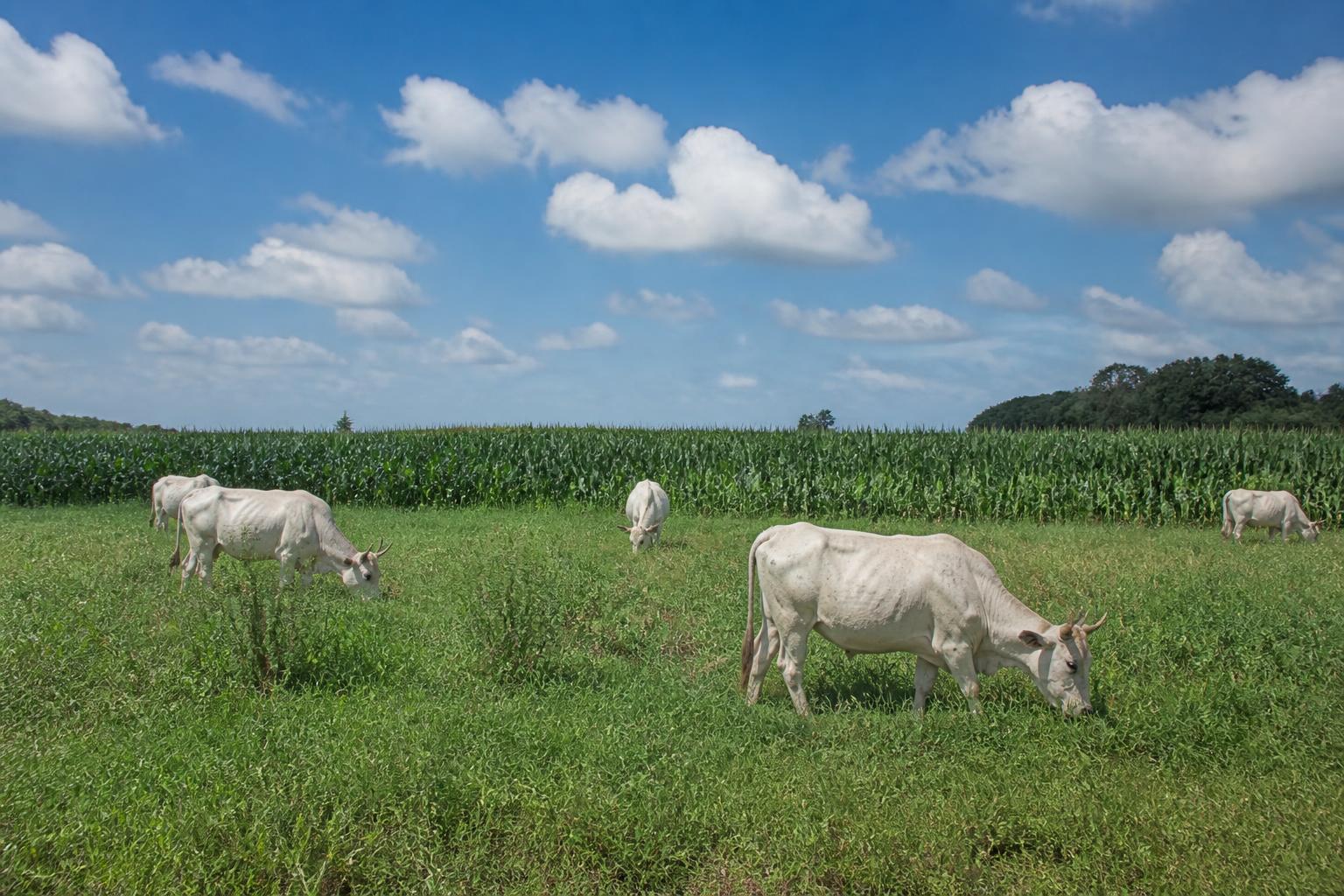
In addition to traditional chemical and biological crop protection methods, Florida land managers are exploring historical and ecological solutions to protect the state's unique environment. Researchers and conservationists are evaluating whether Florida cracker cattle can be strategically grazed to help conserve vital local grasslands and wetlands.
These hardy, historic cattle are well-adapted to the state's humid summer climate and marshy terrain. By grazing on invasive weeds and managing dense undergrowth, cracker cattle can play a role in maintaining native habitats, reducing wildfire fuel loads, and protecting sensitive ecosystems from being overrun by non-native plant species.
Key Takeaways for Florida Agribusinesses
- Eradication complete: The state's victory over the invasive fruit fly restores normal shipping and marketing protocols for affected growers.
- Scouting is essential: Increased labor availability should be leveraged for active field scouting to catch newly identified pests early.
- Broad biosecurity focus: Ongoing monitoring of transit points and ecological land management help protect both commercial crops and natural resources.
What it means for the market
The successful eradication of the invasive fruit fly stabilizes the market by removing regulatory bottlenecks and maintaining export access for Florida-grown specialty crops. With farm labor numbers rising, growers are in a better position to manage summer pest pressures and maintain crop quality. However, because Florida remains a primary entry point for global cargo, ongoing investment in robust farm-level biosecurity and rapid pest identification will be the primary factors safeguarding the state's agricultural economy in the months ahead.
Comments
No comments yet - be the first to share your take.