
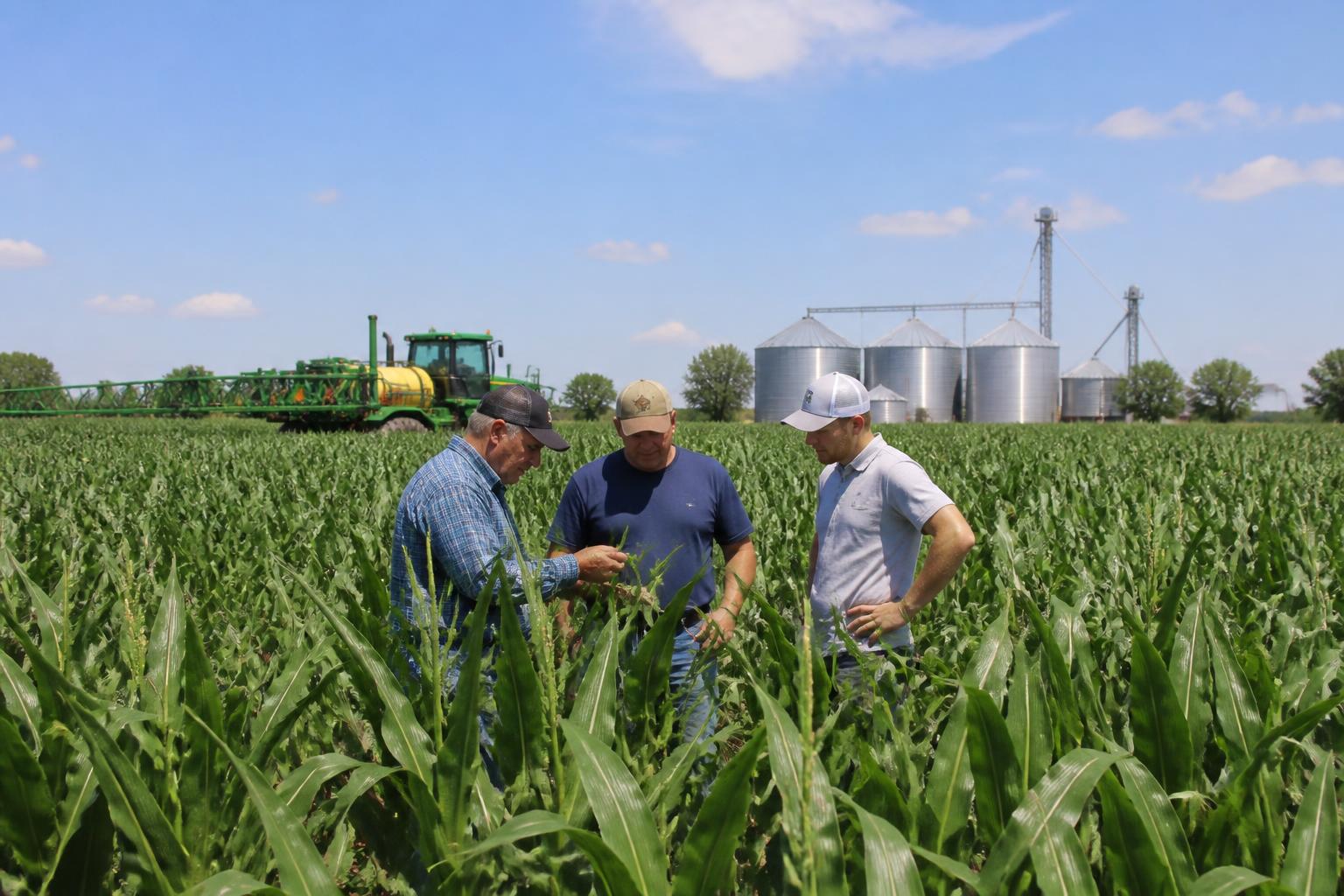
Utah agricultural producers are tracking a major shift in regional input supply security this summer. The U.S. Department of Agriculture (USDA) recently approved a 14 million dollar grant to advance the Sage Potash project in Utah. This significant federal investment aims to develop domestic potash resources, potentially reshaping the fertilizer landscape for growers across the Intermountain West who have long been vulnerable to international supply chain disruptions and volatile pricing.
As the summer heat intensifies, Utah farmers face the dual challenge of optimizing crop nutrition while navigating tight water resources. Securing local fertilizer supplies is becoming a key strategy for maintaining farm-level profitability and crop yields during a demanding growing season.
Strengthening Domestic Potash Supply in Utah
Potash is an essential crop nutrient, particularly for optimizing water-use efficiency and plant strength. The 14 million dollar USDA grant awarded to the Sage Potash project represents a major step toward establishing localized production. For Utah producers, a domestic potash source located within the state could significantly lower overland freight costs and reduce lead times for key fertilizer blends.
In many of Utah agricultural valleys, growers have historically had to budget for high transportation premiums on inputs brought in from distant northern or international markets. Localized extraction and processing can streamline regional logistics, offering a buffer against global supply shocks. This is particularly valuable as Utah grain and feed markets confront summer drought and rising input costs across the board.
Water Management and Nutrient Efficiency
The state snowpack and subsequent reservoir storage levels dictate much of Utah agricultural capacity. During the dry summer months, balancing water availability with nutrient applications is a delicate process. Without sufficient soil moisture, crops cannot effectively absorb granular fertilizers, making timing and product selection critical.
To maximize efficiency, many local operations are focusing on targeted fertilizer applications. Ensuring that potassium and nitrogen are available at precise crop growth stages helps plants withstand the intense heat of June and July. Furthermore, local growers are increasingly focused on balancing crop protection and environmental sensitivity in Utah fields, ensuring that fertilizer runoff is minimized even during sudden summer thunderstorms or intense irrigation cycles.
Logistical Advantages for the Intermountain West
The geographic location of Utah makes it a natural hub for distributing inputs throughout neighboring mountain states. However, transporting bulk agricultural inputs requires reliable transport corridors. High diesel prices and trucking shortages often complicate the distribution of fertilizers from coastal ports to inland farms.
Localizing potash production helps bypass these bottlenecks. By utilizing in-state highway corridors like Interstate 15 and regional short-line railroads, fertilizer distributors can deliver nutrients directly to rural co-ops with fewer delays. This alignment of local production with logistics infrastructure improvements in the region ensures that retail distributors can keep their warehouses stocked when farmers need to make split-second field decisions during the busy summer application windows.
Key Takeaways for Utah Producers
- Federal Funding Boost: The 14 million dollar USDA grant for Sage Potash marks a significant step forward for regional fertilizer self-reliance.
- Water-Nutrient Synergy: Effective potash application is critical during dry summer conditions to help crops maintain cell turgor and resist heat stress.
- Reduced Freight Overhead: Developing local fertilizer mines in Utah can help mitigate long-distance shipping costs along major Western freight routes.
What it means for the market
In the long term, the development of the Sage Potash project underpins a more resilient Western agricultural economy. While immediate summer fertilizer prices remain tied to broader global energy costs and national wholesale markets, the infusion of federal support for Utah-based production signals a transition toward more stable, localized input pricing. For Utah agribusinesses, securing a local pipeline of essential crop nutrients will be a vital asset in navigating future climate and logistical challenges.
Comments
No comments yet - be the first to share your take.