
Precision Data: Open-Sourcing the Farm of the Future
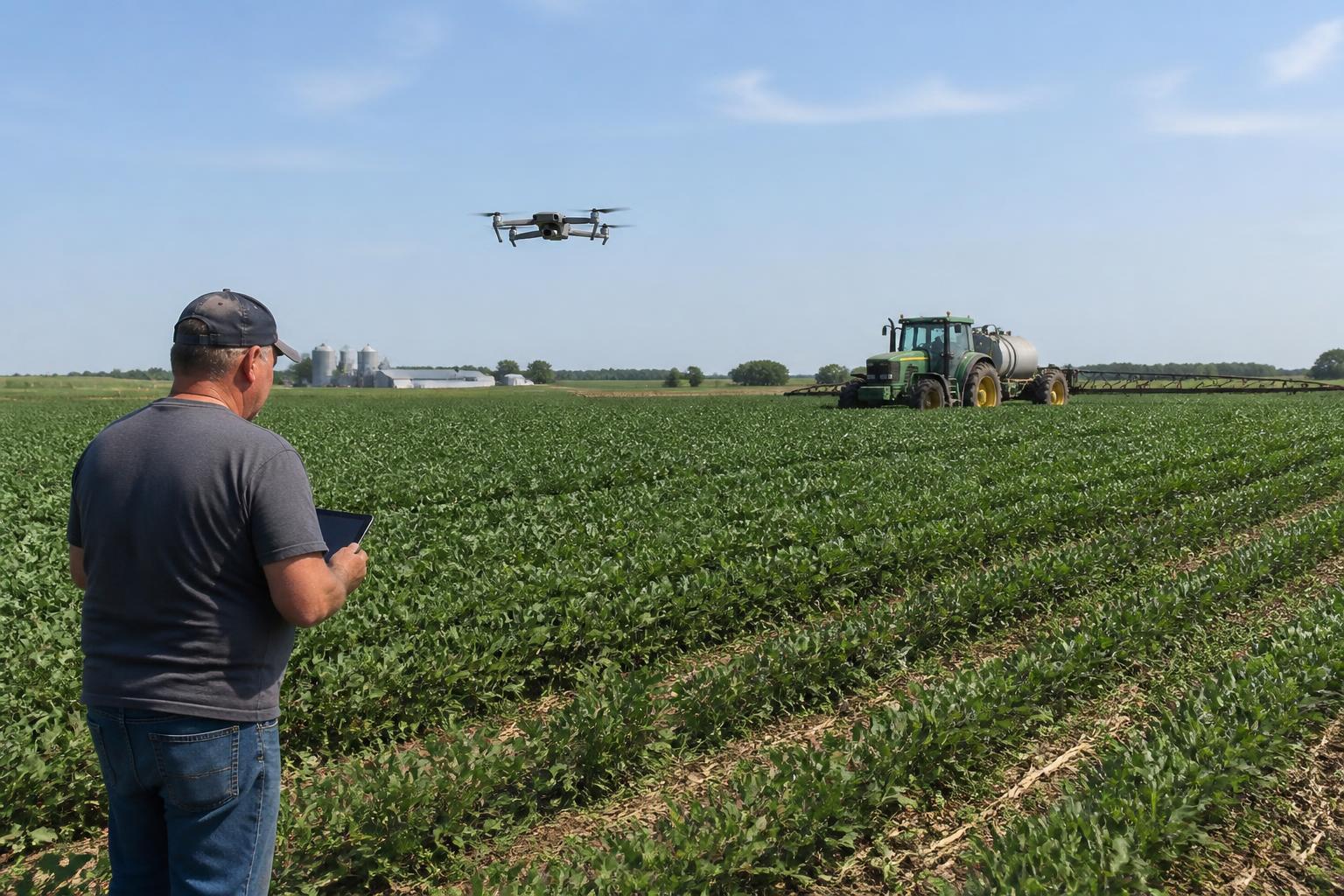
For farmers in the Columbia Basin and the Yakima Valley, optimizing water, fertilizer, and pest control is a constant summer challenge. Microsoft's decision to open-source its agricultural toolkit aims to democratize access to advanced data modeling. By sharing these digital frameworks, developers and agronomists can build tailored solutions to monitor soil moisture, predict weather anomalies, and track crop health in real time.
This shift toward open-access digital infrastructure aligns with ongoing regional efforts to protect crops from emerging environmental pressures. Leveraging data analytics can help producers minimize chemical applications, lower input costs, and target interventions precisely where they are needed. These technological shifts complement broader trends in the Pacific Northwest, where growers are actively adopting new methods for regional crop protection and regenerative practices to secure long-term soil health.
Policy Safeguards: Senate Examines USDA Reorganization
On the legislative front, the Senate Agriculture Committee is putting a spotlight on the USDA's proposed reorganization plan. Lawmakers are scrutinizing how these structural changes might impact the delivery of essential conservation, risk management, and crop insurance programs. For Washington's diverse agricultural sector, which ranges from dryland wheat in the Palouse to specialty orchard crops, any adjustments to USDA's agency hierarchy can affect local service delivery and the implementation of safety nets.
Committee members are seeking clarity on how the reorganization will streamline operations without disrupting the local USDA offices that growers rely on daily. Ensuring that resource conservation programs and disaster assistance remain easily accessible is a primary concern for industry advocates during this period of federal transition.
Key Takeaways for Washington Producers
- Accessible Ag Tech: Open-source tools lower the barrier to entry for developers building custom precision agriculture apps.
- Targeted Protection: Improved data integration allows for more precise pesticide and fertilizer applications, reducing waste and protecting local watersheds.
- Federal Oversight: Senate scrutiny of the USDA reorganization aims to protect the integrity and accessibility of local farm service agencies.
What it means for the market
The combination of open-source technology and federal administrative shifts suggests a market moving toward greater accountability and resource efficiency. As Washington growers integrate smarter data tools into their daily operations, they may find themselves better equipped to handle weather volatility and regulatory compliance. Meanwhile, keeping a close eye on USDA policy adjustments will be critical for agribusinesses relying on federal conservation and risk protection programs to secure their summer operations.
Comments
No comments yet - be the first to share your take.