
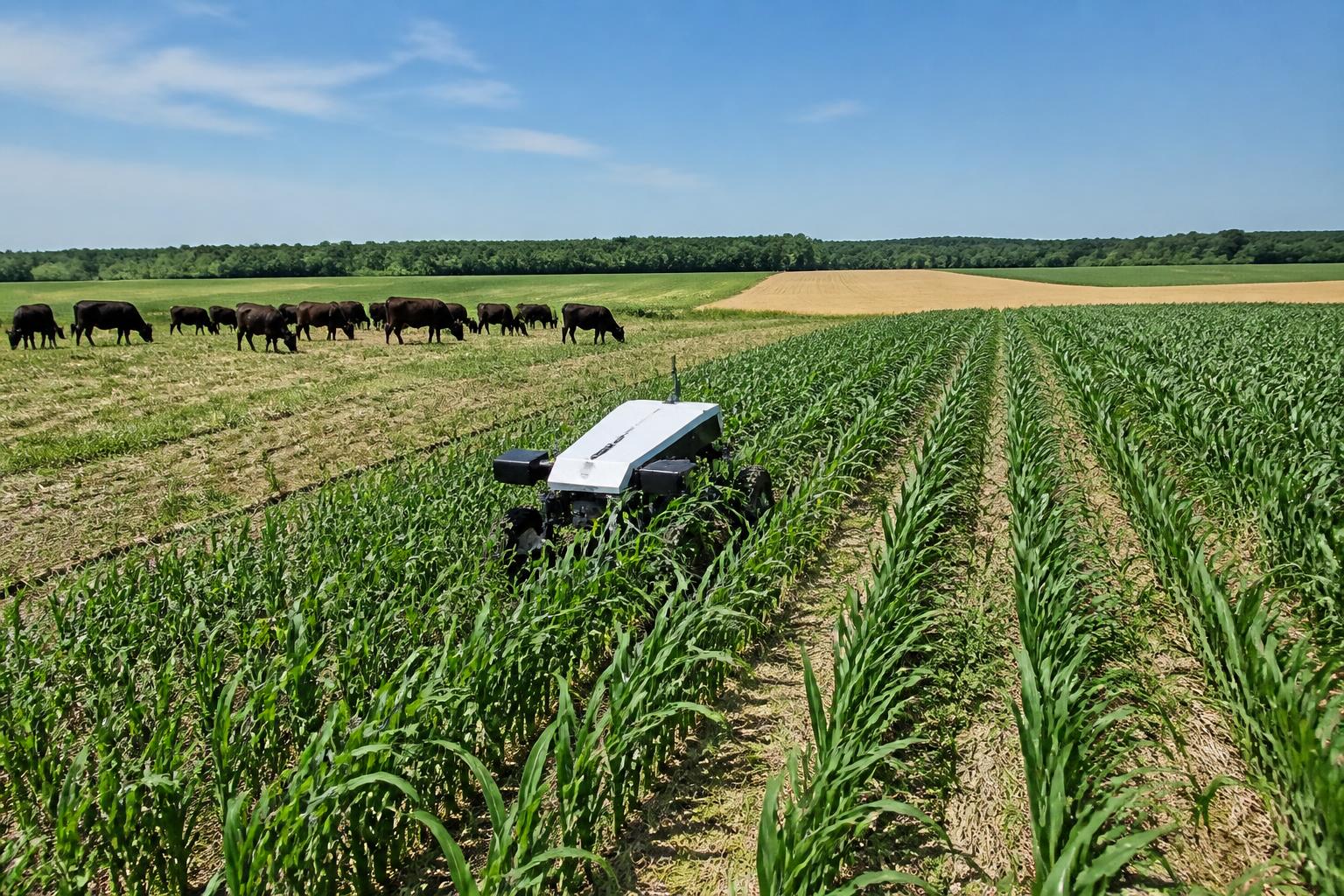
Vermont's agricultural community is facing a demanding summer as heat waves and localized drought conditions stress crops and pastures alike. For grain producers and dairy operators across counties like Addison and Franklin, managing feed quality and storage safety under these dry, high-temperature conditions has become a top priority.
Elevating Grain Bin Safety and Efficiency
As summer temperatures soar, maintaining grain quality inside storage bins becomes increasingly difficult. Vermont grain handlers must watch closely for spoilage, hot spots, and moisture migration. Innovative technologies like the Grain Weevil robot are gaining attention as potential game-changers for bin maintenance. This robotic solution can manipulate grain surfaces, break up crusting, and improve overall safety by reducing the need for farmers to physically enter dangerous, high-heat storage environments.
Drought Pressures and Flexible Grazing Strategies
Meanwhile, intense summer heat is forcing dairy and livestock producers to adapt their feeding regimens. With dry weather limiting pasture growth, some local operations, such as the Fisk-Haines Farm, are relying on highly flexible grazing management strategies to maximize forage efficiency. However, as pastures dry up, the reliance on high-quality supplemental grains and stored feed rises. Farmers looking to balance their inventories or source quality feed can explore local avenues to sell grain in Vermont to meet this shifting regional demand.
Regional Feed Dynamics and Supply Pressures
The combination of hot weather and volatile feed requirements is reshaping how local buyers secure grain. Given the strict environmental and regulatory landscape in the Northeast, grain suppliers are finding new ways of adapting to shifting dairy demand across the state. Ensuring a steady supply of clean, high-grade feed remains paramount for dairy herds facing summer heat stress, which typically depresses milk production if feed quality declines.
Key Takeaways for Vermont Producers
- Summer heat waves and dry spells are stressing regional pastures, increasing reliance on stored grain and high-quality supplements.
- Advanced bin technology, such as the Grain Weevil robot, offers safer, automated ways to manage grain quality during humid summer months.
- Flexible pasture management helps alleviate immediate feed shortages, but grain market consistency remains vital for herd health.
What it means for the market
Tight local forage conditions and prolonged summer heat are expected to keep Vermont feed grain demand firm. Producers and handlers who invest in smart storage solutions and adaptive feeding programs will be best positioned to weather the summer volatility, protect grain assets from spoilage, and maintain stable margins despite challenging weather conditions.
Comments
No comments yet - be the first to share your take.