
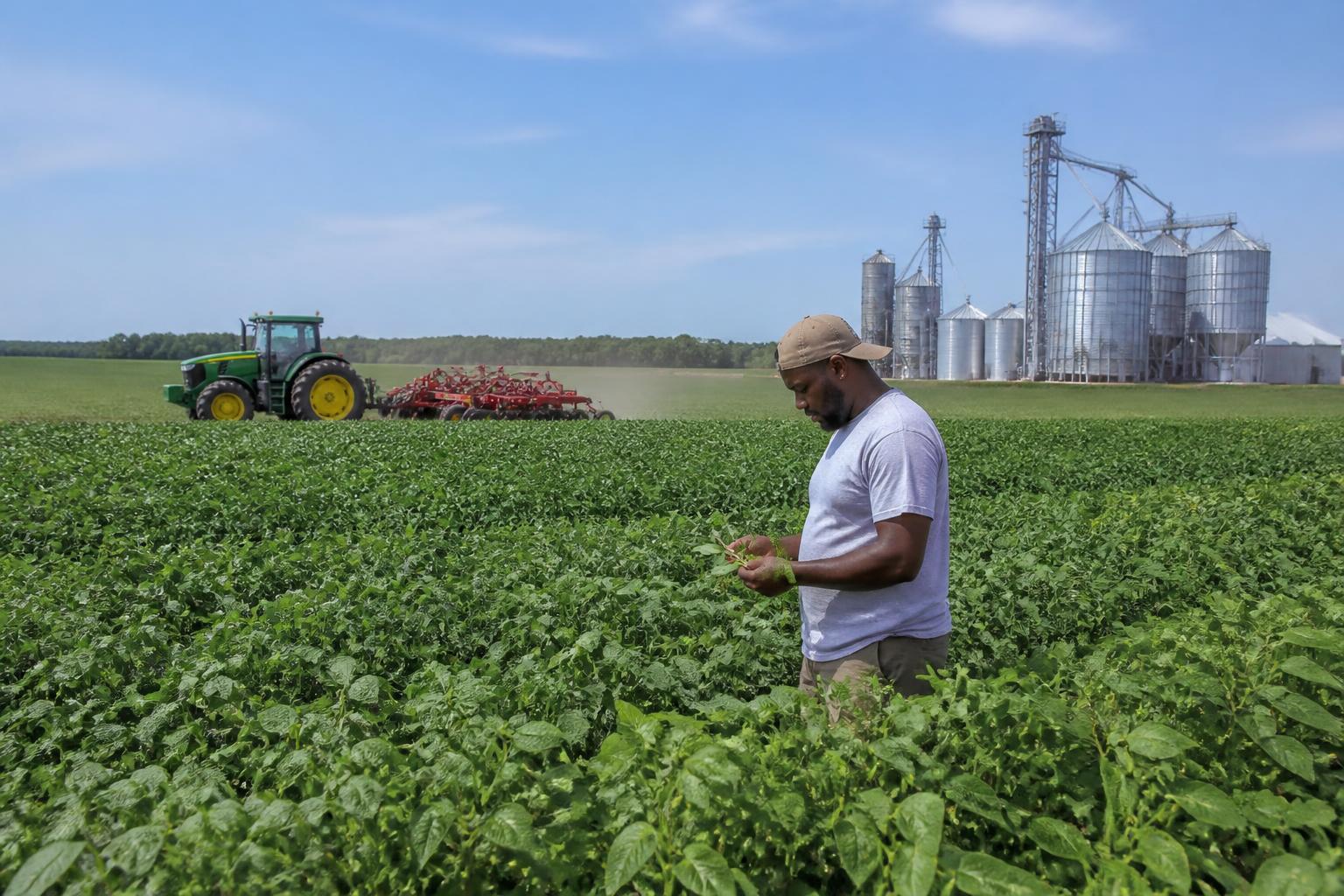
As the peak summer season takes hold across Pennsylvania, agricultural producers, grain handlers, and supply chain operators find themselves navigating a complex intersection of local policy initiatives and international market forces. From state-level economic development strategies to the lingering ripple effects of global geopolitical friction, the agricultural community is working to maintain stability and profitability during a critical period of the crop cycle.
Shapiro Economic Strategy Targets Statewide Growth
Pennsylvania Governor Josh Shapiro has introduced the state's first comprehensive economic development strategy in nearly two decades. This broad initiative aims to revitalize key sectors across the Commonwealth, with agriculture traditionally serving as a cornerstone of the state's rural economy. Agribusinesses in major growing regions, including Lancaster County and the Susquehanna Valley, are closely watching how this long-term strategy will translate into improved infrastructure, workforce development, and processing capacity.
For local producers, state-backed investments could provide much-needed support for modernizing facilities and enhancing transport networks. As growers actively manage their summer operations, finding ways to optimize efficiency remains paramount, especially when dealing with managing rising input costs and fluctuating fuel prices.
Global Volatility and Logistics Constraints
While local economic policies offer a roadmap for future growth, immediate operational realities are heavily influenced by international events. Recent conflicts in the Middle East, particularly involving Iran, have introduced fresh volatility into global energy and shipping lanes. These geopolitical tensions threaten the stability of the broader agricultural supply chain, driving up transportation costs and creating uncertainty for both import and export markets.
In Pennsylvania, where key transport corridors like Interstate 81 and Interstate 78 facilitate the movement of livestock and grain, these global disruptions can quickly translate into localized freight challenges. Agribusinesses are forced to adapt to shifting shipping rates and volatile diesel prices while meeting demanding summer transit demands in Pennsylvania ag logistics.
Regional Grain and Processing Innovations
To insulate themselves from external shocks, many regional operations are focusing on localized supply chains and processing capabilities. This includes a renewed interest in regional seed cleaning and grain sorting facilities, which help local growers maximize the value of their harvests. Having reliable regional infrastructure allows growers to secure high-quality seed and process grains closer to home, reducing dependency on distant supply hubs.
These local processing capabilities are particularly vital as Pennsylvania grain growers work through the summer harvesting periods and prepare for upcoming planting cycles. Maximizing local efficiency is a key defense for producers who are currently navigating grain market volatility during the seasonal transition.
What it means for the market
For Pennsylvania's agricultural sector, the combination of forward-looking state policies and immediate global supply chain pressures highlights the need for operational flexibility. While state-level initiatives aim to build a more resilient economic foundation, farmers and handlers must continue to manage short-term risks by focusing on local logistics, optimizing input usage, and utilizing regional processing networks to buffer against global market disruptions.
Comments
No comments yet - be the first to share your take.