
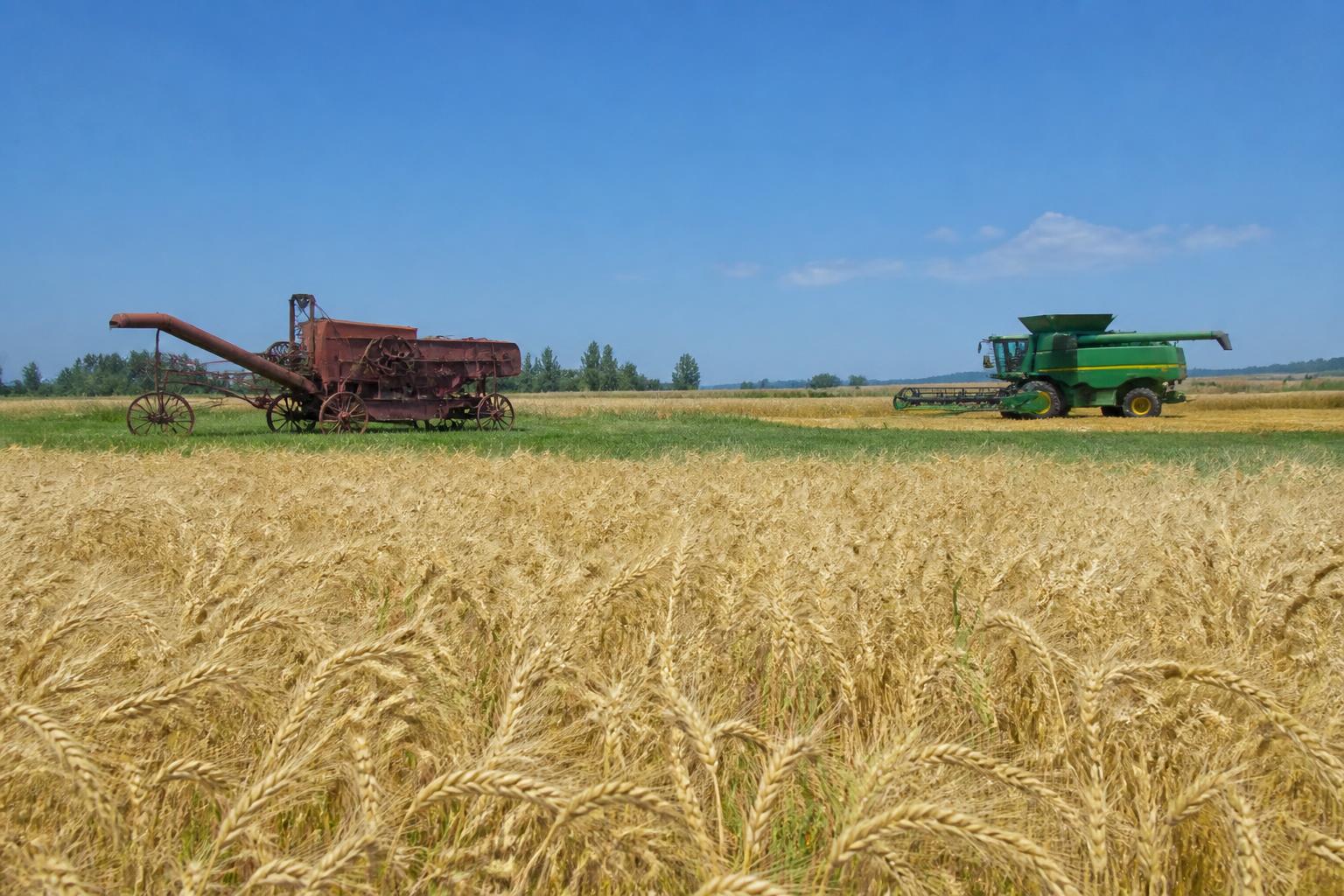
As the summer harvest gets underway in California, grain growers, livestock producers, and feed buyers are facing a complex web of logistics shifts, input cost fluctuations, and ground-breaking agronomic research. From the fertile fields of the Central Valley to the major shipping corridors along Interstate 5, agribusinesses must navigate a rapidly evolving landscape to protect their margins this season.
While local demand for feed remains a constant driver, broader transport and macroeconomic factors are reshuffling the domestic supply chain. Understanding these challenges is key for operations looking to manage risk and optimize their grain sourcing strategies.
Freight Dynamics and Shifting Transport Volumes
California logistics operators are grappling with changes in shipping competitiveness. Recent data reveals that Texas has surpassed California in refrigerated freight volume, signaling a shift in regional transport dominance. For local grain and feed distributors, this competitive pressure is compounded by ongoing regulatory and legal battles over shipping fees. California legal teams have increasingly targeted ocean carrier detention and demurrage (D&D) charges, which have historically penalized shippers during port congestion bottlenecks.
These transport hurdles make efficient regional sourcing even more critical. For dairy and livestock operations looking to buy grain in California, navigating local truck rates and regional rail availability is essential to offset volatile ocean freight dynamics and secure reliable feed supplies.
Breakthroughs in Wheat Research and Machinery Trends
On the research front, California is positioning itself at the cutting edge of cereal crop development. Researchers at the University of California have successfully targeted and deleted specific proteins in wheat that are harmful to people with celiac disease. This gene-editing milestone could eventually open up entirely new premium markets for wheat growers in the state, transforming wheat from a standard commodity into a specialized functional food ingredient.
At the same time, high-tech adoption is accelerating across America's fields. The United States combine harvester market is projected to reach significant valuation gains by 2034, driven by demand for precision agriculture tools that minimize field losses during harvest. In California, where labor costs and water restrictions are perennially tight, upgrading to advanced harvesting systems can offer a critical edge in field efficiency.
Input Costs and Regulatory Pressures in the Central Valley
In addition to machinery and logistics, crop input volatility continues to test grower budgets. Geopolitical tensions in the Middle East have pressured global energy and fertilizer markets, directly impacting local diesel and urea prices for agricultural operations in Fresno County and the wider Central Valley. Managing these volatile input costs requires careful risk planning and precise timing on fertilizer applications.
Furthermore, California Agricultural Secretary Karen Ross recently highlighted the ongoing regulatory, water management, and operational hurdles facing the state's farming community. With water availability remaining a defining factor for summer crop choices, growers are increasingly looking toward alternative revenue streams, such as exploring emerging carbon market opportunities, to diversify their balance sheets.
Key Takeaways for California Agribusinesses
- Monitor Freight Channels: Keep a close eye on regional trucking capacity as Texas gains ground in refrigerated freight and ocean carrier legal disputes evolve.
- Anticipate Input Fluctuations: Global energy disruptions continue to impact local Fresno County diesel and urea pricing, requiring flexible purchasing strategies.
- Track Agronomic Innovations: Keep tabs on UC wheat protein research which may offer lucrative, niche planting opportunities in future seasons.
What it means for the market
The California grain market this summer is defined by resilience in the face of logistical and regulatory challenges. While shifting freight volumes and geopolitical energy pressures demand vigilant cost management, long-term technological advancements in harvesting and seed genetics offer promising pathways forward. Successful operators will focus on securing local supply chains, optimizing water-use efficiency, and staying ahead of policy changes to maintain profitability in an uncertain global market.
Comments
No comments yet - be the first to share your take.