
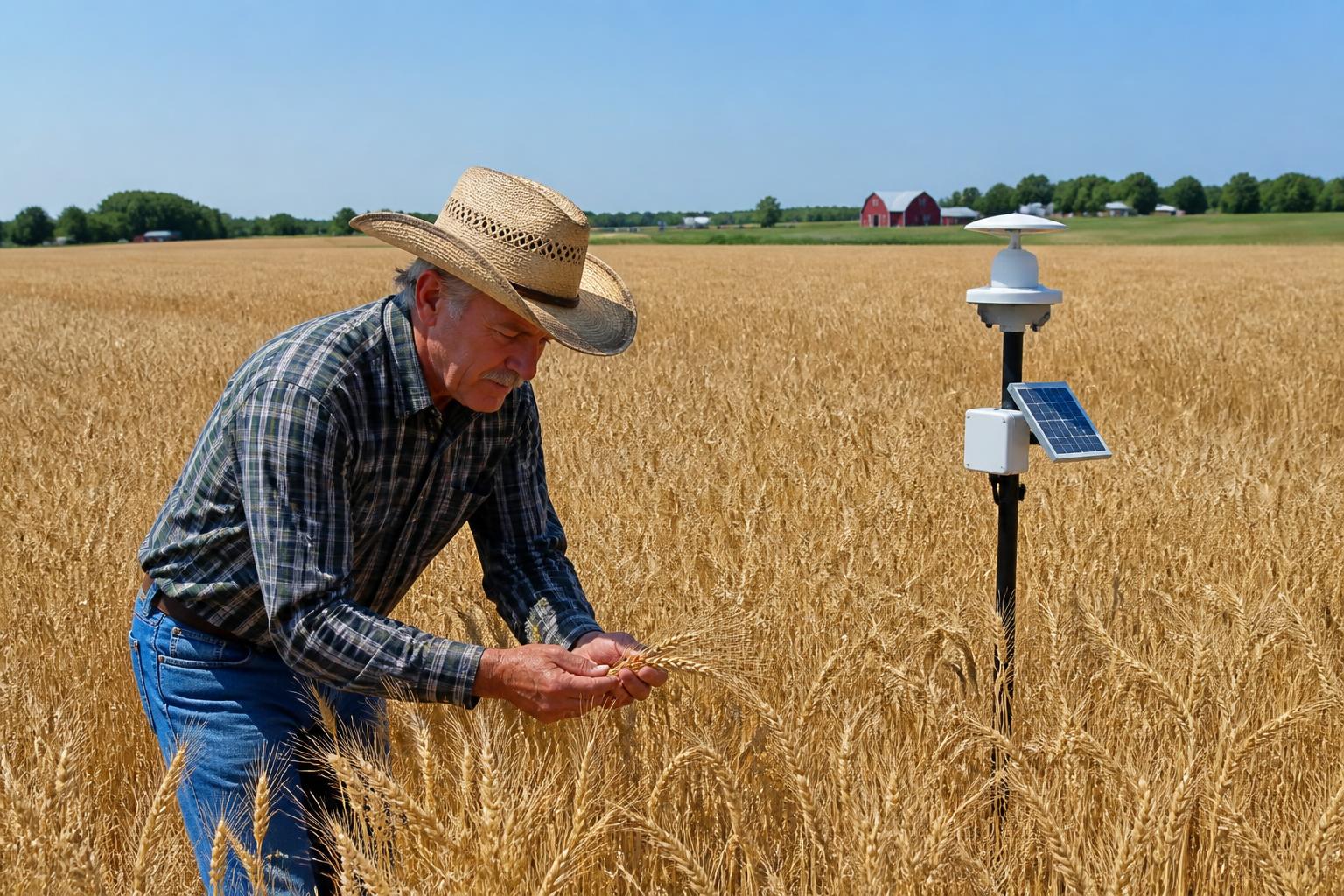
As the Oklahoma wheat harvest resumes following recent rain delays, growers across the state are turning their focus toward nutrient management and input cost strategies. While combine engines hum across the western plains and northern counties, the broader agricultural community is keeping a close eye on global fertilizer trade developments and federal actions aimed at lowering overall input costs. Balancing immediate soil needs with shifting import dynamics has become a top priority for Oklahoma agribusinesses this summer.
With domestic crop production costs remaining a key concern, national policy moves and reactions from agricultural advocacy groups are highlighting the critical role of fertilizer affordability. Many local producers are looking for stability in the retail fertilizer market as they plan their summer double-cropping systems and prepare for fall seeding. Navigating these logistics requires a clear understanding of both international supply chains and local distribution networks.
The Battle Over Phosphate Imports and Cost Pressures
For Oklahoma farmers, phosphorus is a cornerstone of strong root development, especially for winter wheat and rotational crops. Recent discussions among major agricultural groups have highlighted the ongoing tension surrounding phosphate fertilizer imports. While domestic manufacturing remains vital, countervailing duties and import restrictions on key supply partners have historically driven up retail prices at local co-ops.
Industry groups continue to advocate for policies that increase the availability of imported fertilizers to foster competition and lower overall operating expenses. Recent federal initiatives aimed at lowering fertilizer costs have provided some optimism, but market participants remain cautious. Access to competitive global supplies is essential for keeping regional production viable, especially when navigating global grain supply pressures during the summer harvest.
Post-Harvest Soil Prep and Oklahoma Logistics
The resumption of the Oklahoma wheat harvest after summer rain delays has opened up a window for post-harvest soil sampling and preparation. Many growers use this post-harvest period to assess nutrient depletion and plan for late-summer or early-fall applications. In parts of western Oklahoma and the Panhandle, dryland wheat fields require careful management to preserve soil moisture while restoring critical phosphorus and nitrogen levels.
Logistics play a vital role in keeping these inputs affordable. Fertilizer shipments arriving via the McClellan-Kerr Arkansas River Navigation System to ports like Catoosa, or moving along key rail corridors and Interstate 35, must be coordinated efficiently to avoid peak-season freight congestion. Working closely with retail suppliers to secure early-season bookings can protect growers from sudden price spikes and local transport bottlenecks. This is particularly true when managing crop inputs amid shifting regulatory landscapes that affect both crop protection and fertilizer application timelines.
Precision Tools and Strategic Nutrient Management
As technology advances, more Oklahoma agribusinesses are incorporating digital tools to optimize fertilizer efficiency. Variable-rate technology and precision soil mapping help operators apply precise amounts of nitrogen, phosphorus, and potassium only where needed. This targeted approach not only mitigates the financial impact of high fertilizer prices but also reduces the risk of nutrient runoff into local watersheds during intense summer storms.
Key Takeaways for Oklahoma Producers
- Monitor Import Policies: Keep tabs on trade decisions regarding phosphate imports, as tariffs directly influence domestic retail pricing.
- Leverage Soil Sampling: Utilize the post-harvest window to conduct accurate soil tests, ensuring you only buy and apply the nutrients your fields actually need.
- Plan Logistics Early: Secure fall fertilizer commitments early to avoid localized shipping delays along major Oklahoma highway and rail corridors.
- Adopt Variable-Rate Tech: Use precision ag software to optimize application rates and manage input margins tightly.
What it means for the market
The combination of federal efforts to reduce fertilizer costs and ongoing debates over import duties will shape retail nutrient pricing heading into the fall. For Oklahoma agricultural producers, the immediate focus is on finishing the summer harvest and securing cost-effective inputs for the next planting cycle. By combining strategic purchasing, early logistics planning, and precision application techniques, growers can better insulate their operations from volatile global market dynamics.
Comments
No comments yet - be the first to share your take.