
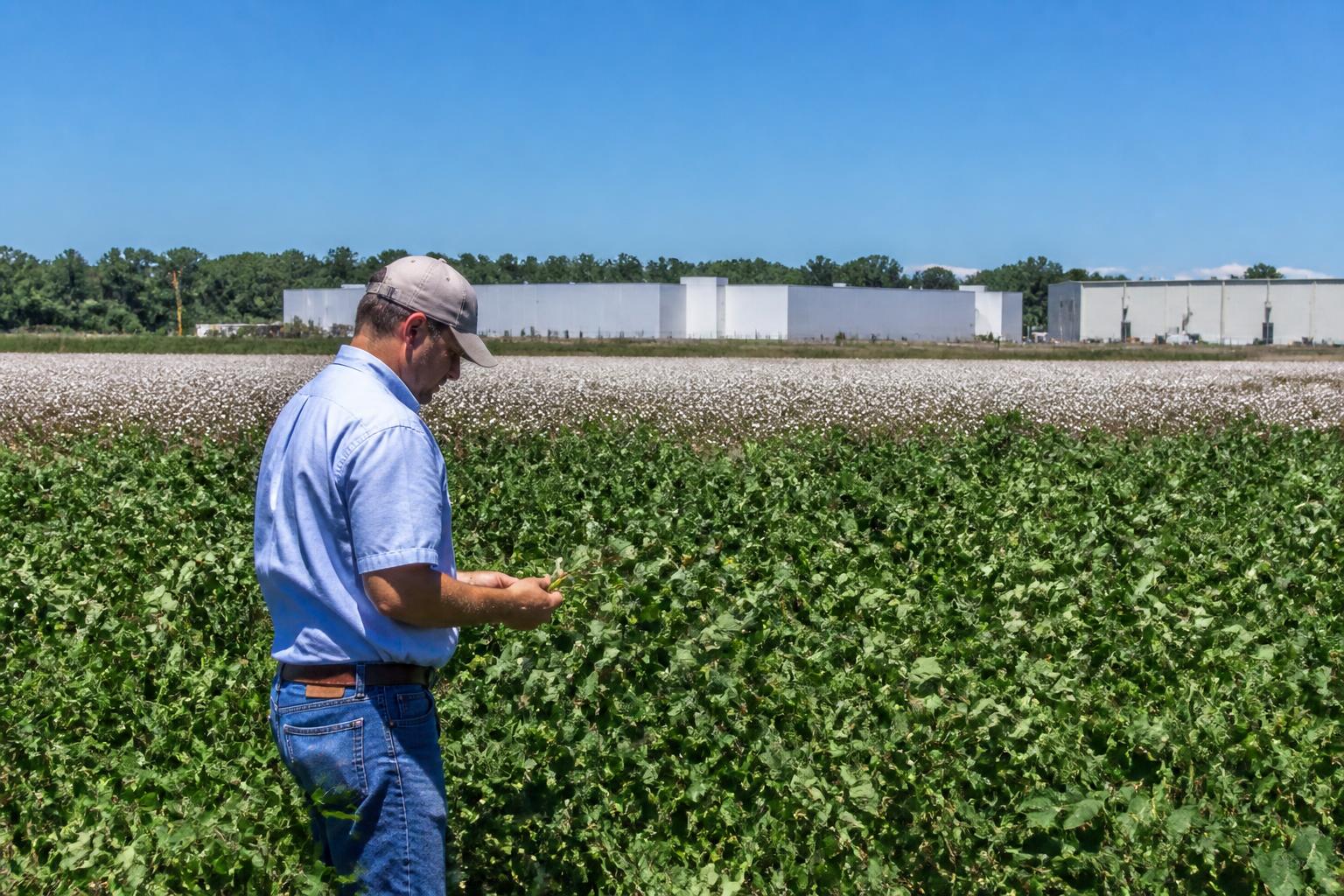
As summer temperatures peak across Georgia, the state's grain growers are navigating a complex mix of agronomic breakthroughs, regional land-use shifts, and seasonal crop transitions. Following a challenging winter wheat season, focus has quickly shifted to optimizing summer row crops and maximizing late-season soybean potential.
With major logistics developments reshaping the landscape in Southeast Georgia, grain elevators and growers alike are keeping a close eye on transport capacity. Whether adjusting fertility programs for double-cropped fields or planning post-harvest logistics, making timely decisions is crucial for protecting margins this season.
Unlocking High-Yield Soybean Potential in Georgia
Georgia has recently taken center stage in global agronomy, thanks to local producer Alex Harrell setting a new world soybean yield record. This achievement has spurred widespread interest among Southern growers in pushing the boundaries of traditional soybean management. By implementing intensive crop nutrition, precise irrigation scheduling, and robust weed control strategies, growers are proving that the state's soils can deliver exceptionally high yields under the right conditions.
Achieving these high yields requires proactive management of local agronomic pressures. In many parts of the state, growers are forced to adapt to emerging crop protection challenges, such as managing PPO-resistant weeds and keeping fields clean during critical early vegetative stages. Balancing aggressive input programs with strict cost-efficiency remains the primary goal for growers aiming to replicate high-yield practices on a commercial scale.
Managing Post-Wheat Rotations and Agronomic Hurdles
While the outlook for summer oilseeds remains ambitious, the winter wheat crop presented significant hurdles. Many Georgia wheat growers faced problems during the previous season, including fluctuating weather conditions and disease pressure, which impacted overall quality and test weights. These challenges have highlighted the importance of resilient crop rotations and sound soil preparation before planting double-cropped soybeans.
In addition to weed management, insect pressures are rising across the region. State officials have warned about several invasive pests spreading rapidly in Georgia, while cotton jassids threaten nearby fields, requiring careful scouting and coordinated chemical applications. Growers are urged to maintain tight field monitoring to ensure that late-emerging soybeans are not compromised by pest migrations from adjacent acreage.
Logistics and Land-Use Competitions in the Southeast
Beyond the field, the physical landscape of Georgia agriculture is facing new competition. In Southeast Georgia, a growing debate over land use is pitting data centers against warehouses. As industrial and technological infrastructure expands outward from key transport hubs, agricultural land and logistics corridors are experiencing increased development pressure. This shift may affect local truck availability and freight rates for agricultural commodities as warehouses compete for regional transport resources.
For grain operations near major highway corridors, these shifting dynamics make proactive marketing even more essential. Elevators and farm managers must coordinate their logistics early to avoid bottlenecking at delivery points during the peak harvest run.
Key Takeaways for Georgia Grain Growers
- Agronomic Innovation: World-record soybean yields set in the state demonstrate the high ceiling for local soybean production when intensive management is applied.
- Wheat Aftermath: Growers transitioning from a difficult wheat harvest must prioritize soil health and weed control to maximize double-cropped soybean performance.
- Logistics Shifts: Growing competition between data centers and warehouse expansions in Southeast Georgia could tighten local transportation and alter land-use patterns.
What it means for the market
For agribusinesses and growers looking to sell grain in Georgia, the summer season represents a critical window to secure logistics capacity and optimize crop protection plans. High production potential in soybeans may help offset earlier losses from a difficult wheat harvest, but volatile shipping logistics and regional land-use competition mean that early marketing commitments and flexible freight options will be key to capturing the best margins.
Comments
No comments yet - be the first to share your take.