
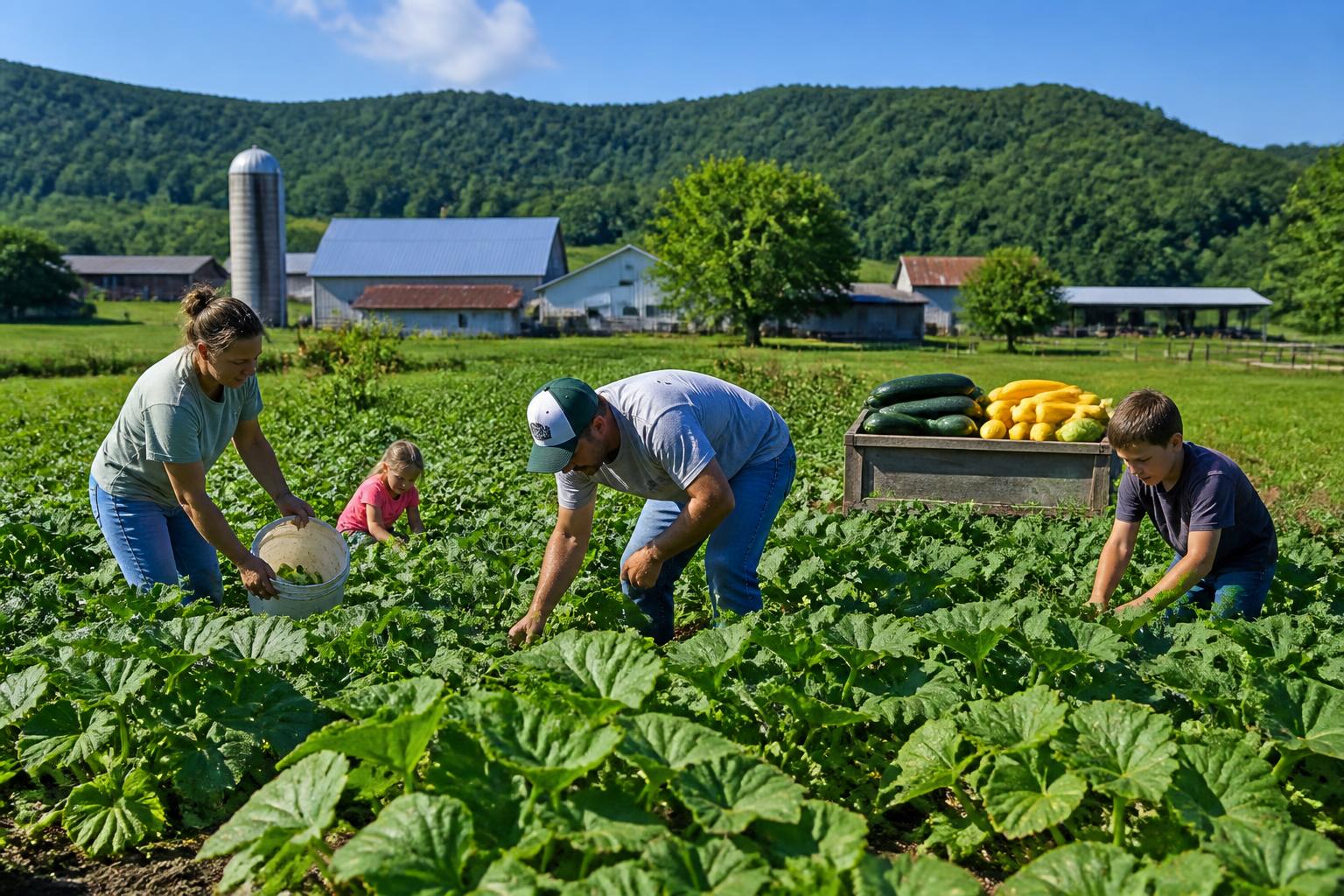
As summer field operations ramp up across Tennessee, agricultural and timber producers are balancing seasonal crop management with vital recovery initiatives. In a significant regulatory update, state officials have extended the application deadline for the Hurricane Helene Agricultural and Timber Relief Fund to August 31, providing critical breathing room for affected operations to secure recovery capital.
This extension comes at a pivotal time when regional logistics, input management, and long-term farm resilience are top of mind. For growers across the state, securing these resources is essential to maintaining stable operations through the rest of the summer season.
Extra Time for Agricultural and Timber Relief
The decision to extend the Hurricane Helene Agricultural and Timber Relief Fund application deadline to August 31 represents a vital lifeline for Tennessee's rural economy. Timber operators and agricultural producers who suffered losses from the storm can utilize these funds to repair infrastructure, clear debris, and offset some of the severe financial impacts on their businesses.
In Tennessee, timber and diverse cropping systems often form the backbone of local rural economies. Producers navigating these complex challenges can review our previous analysis on Tennessee summer market pressures to stay ahead of regional trends. Securing relief funding helps stabilize the local land base and ensures that wood yards, mills, and grain facilities can maintain steady volumes as the season progresses.
Local Support and Community Resilience
While financial relief funds provide structured support, the immediate aftermath of severe weather events highlights the deep-rooted resilience of Tennessee's farming communities. Neighborly support, local equipment sharing, and coordinated volunteer efforts have been key to keeping farms operational. This collaborative spirit is crucial for maintaining the regional supply chain, allowing growers to salvage damaged fields and keep local transport corridors open.
Food Security as a Pillar of National Security
The ongoing recovery efforts in Tennessee underscore a broader conversation within the agricultural sector. Organizations like the American Agri-Women have recently emphasized the theme that "A Secure Food Supply Equals National Security." When regional agricultural hubs face disruptions from weather or logistics bottlenecks, the ripple effects can impact the broader domestic food and fiber supply chains.
Ensuring that local farms and timber tracts remain viable through prompt disaster relief and robust infrastructure support is more than a regional concern; it is a foundational component of national economic stability.
Key Takeaways for Tennessee Producers
- August 31 Deadline: The Hurricane Helene Agricultural and Timber Relief Fund application window is now open until August 31, allowing operators more time to document damage and submit requests.
- Community Networks: Local collaboration and mutual aid remain primary drivers of operational recovery in storm-affected counties.
- Supply Chain Focus: National advocacy groups continue to stress the direct link between stable local agricultural production and overall national security.
What it means for the market
For Tennessee agribusinesses, grain handlers, and timber buyers, the extended relief application timeline provides a stabilizing force for regional supply. By helping producers recover lost capital, these funds mitigate the risk of premature land liquidation or prolonged operational downtime. In the coming weeks, maintaining close contact with local extension offices, documenting all storm-related losses, and securing supply chain commitments will be critical for navigating the remainder of the summer marketing season.
Comments
No comments yet - be the first to share your take.