
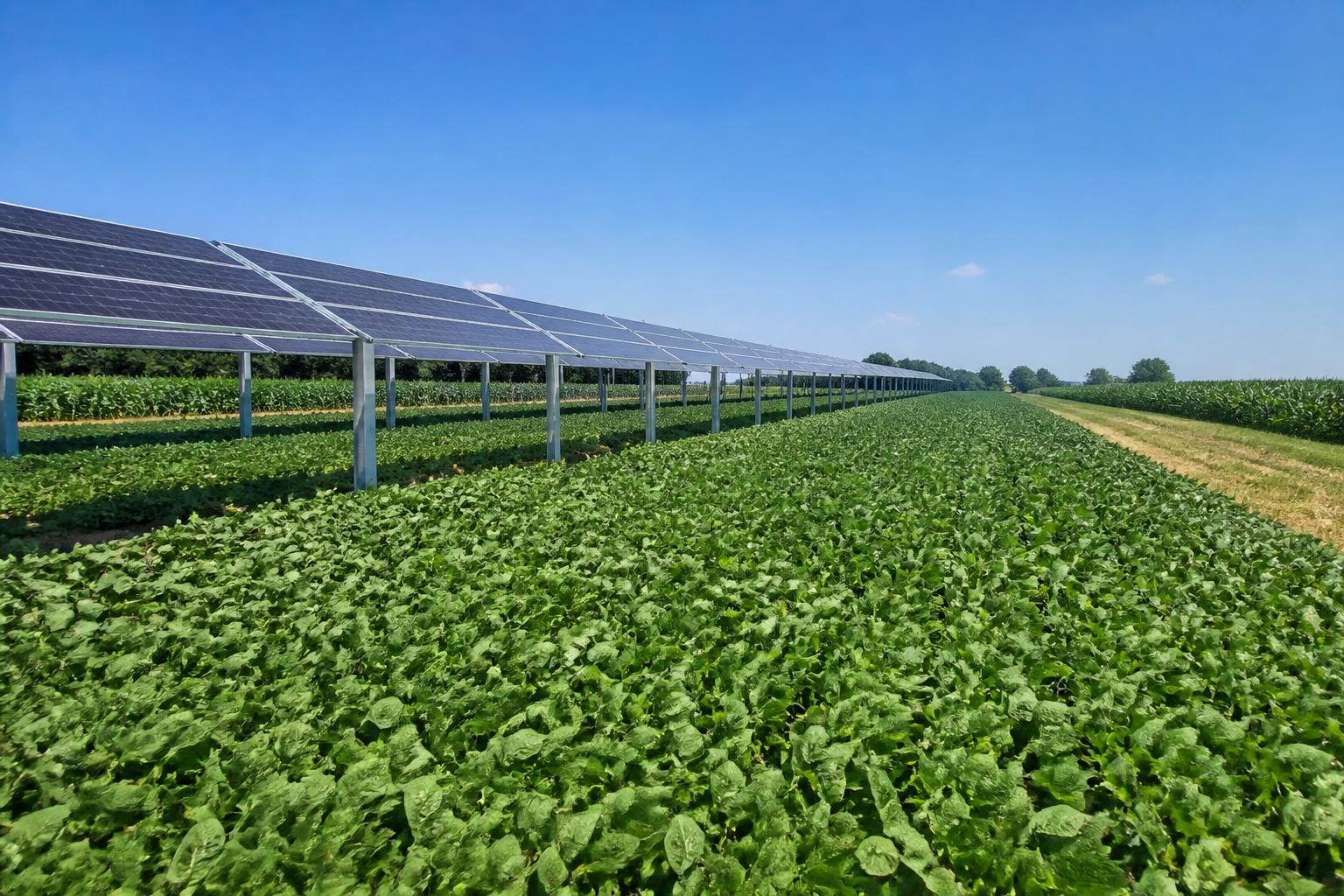
In the peak of the summer heat, Massachusetts farmers are increasingly looking to the skies, not just for rain, but for a dual-use solution to modern agricultural challenges. Agrivoltaics, the practice of co-locating solar energy production with active farming, is transitionally moving from an experimental concept to a practical tool for land management and crop protection across New England.
For local growers, especially those in highly diversified areas like the Pioneer Valley or Worcester County, utilizing the same acre for both food and clean energy offers a compelling hedge against seasonal volatility. Elevated solar panels can provide much-needed shade during intense July heatwaves, lowering ground temperatures and reducing the rate of water evaporation from the soil.
The Dual-Use Advantage in New England Fields
Implementing solar arrays on active agricultural land requires careful planning. Unlike traditional ground-mounted solar arrays that strip the soil of vegetative productivity, agrivoltaic designs elevate panels and space them widely. This setup allows tractors and other equipment to pass underneath, while still leaving ample sunlight for photosynthesis.
In Massachusetts, where small-scale, high-value vegetable farms and livestock operations predominate, this spatial optimization is key. During dry summer spells, the partial shade cast by rotating or elevated panels helps cool sensitive leafy greens, brassicas, and berries. This microclimate adjustment can lead to higher quality produce and less heat stress on grazing livestock, all while the farm generates steady utility revenue from the clean power fed back into the regional grid.
Integrating Agtech and Land Management
Adopting agrivoltaics requires a shift in how farmers manage their inputs and field operations. When addressing agtech and crop protection in the state, Massachusetts growers must evaluate how solar tracking systems affect pesticide and fertilizer application, as well as the overall movement of farm machinery.
By tailoring panel height and tilt angles to specific crops, farmers can optimize both electrical output and crop yields. This balance is critical in summer, when water conservation is paramount. Research into soil moisture retention beneath solar panels suggests that shaded areas can require significantly less irrigation, presenting a major advantage for farms with limited water access or high pumping costs.
Sustaining Soil Health and Crop Output
Maintaining high-quality yields while hosting solar arrays requires a long-term commitment to soil preservation. Heavy equipment used during the initial installation of solar arrays can compact the ground, but thoughtful restoration and planting cover crops around panel supports can mitigate these impacts. Massachusetts producers are finding that combining solar infrastructure with innovative crop and soil protection methods can protect the underlying ecosystem while maintaining overall productivity.
Furthermore, under-panel spaces can be seeded with pollinator-friendly wildflower mixes. These plantings support native bee and butterfly populations, which in turn improve pollination rates for nearby fruit and vegetable crops, reinforcing a healthier farm ecosystem during the busy summer growing season.
Key Takeaways for Massachusetts Growers
- Microclimate Control: Partial shading from elevated solar panels helps retain soil moisture and shields sensitive crops from intense mid-summer heat.
- Diversified Income: Generating solar power provides a stable, year-round revenue stream that can offset seasonal crop failures or market price drops.
- Pollinator Support: Utilizing under-panel zones for native wildflowers supports local ecosystems and improves natural pollination on the farm.
What it means for the market
The growing integration of agrivoltaics in Massachusetts represents a forward-thinking response to land-use constraints and climate variability. By combining agricultural production with clean energy generation, local growers can secure their financial resilience without sacrificing productive farmland. As technology and design continue to evolve, dual-use solar is likely to play a permanent role in the economic and ecological landscape of New England agriculture.
Comments
No comments yet - be the first to share your take.