
As mid-summer arrives in New England, Connecticut is taking decisive steps to secure its agricultural infrastructure. Local producers are navigating a complex mix of financial opportunities and land conservation achievements. From the preservation of historic eastern Connecticut dairies to pioneering state-level policy relief, the focus this July is squarely on protecting both the physical soil and the economic viability of the state's diverse farming operations.
Preserving Voluntown Farmland Amid Dairy Challenges
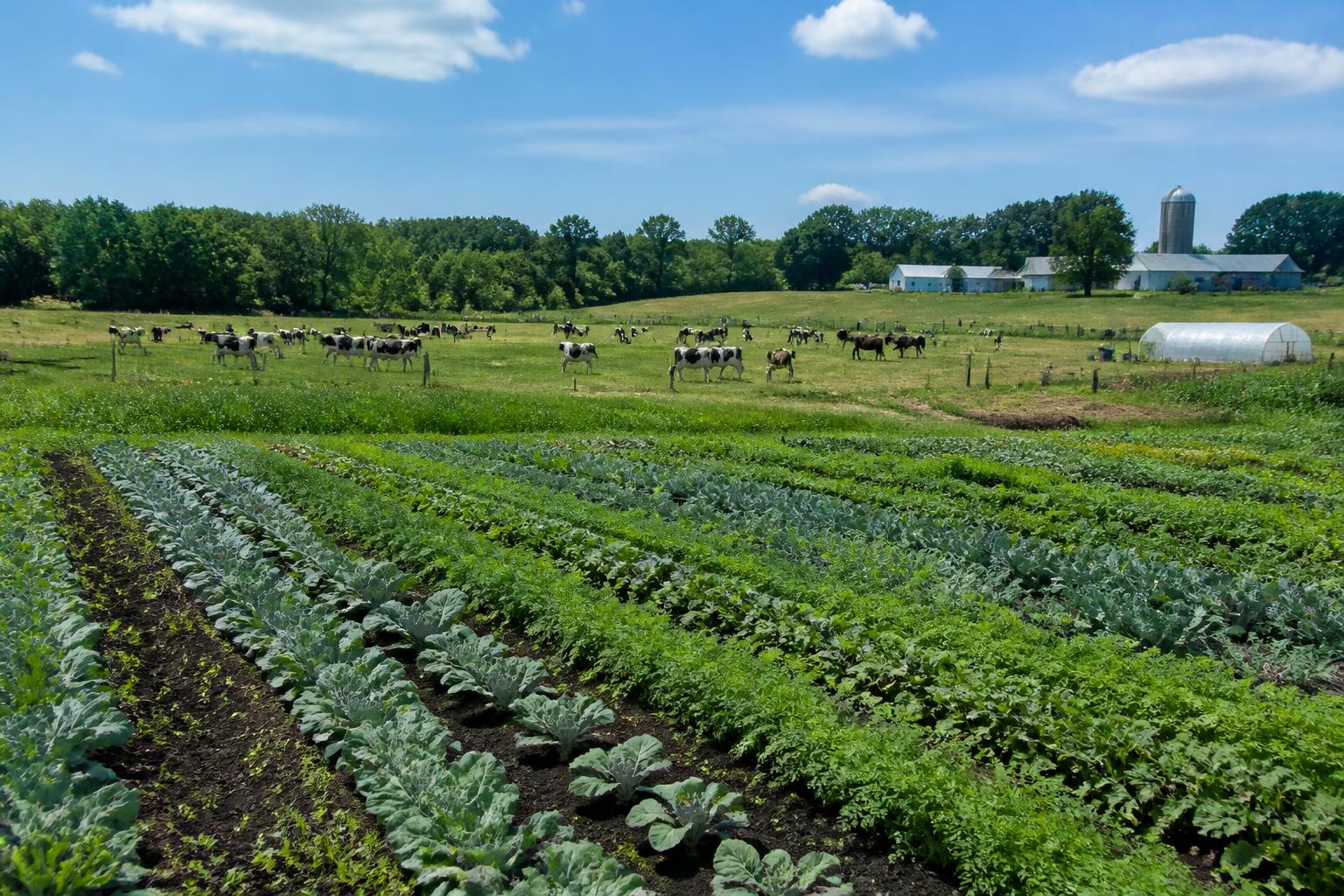
In a significant win for local conservation, the historic 498-acre Gallup Farm in Voluntown, located in New London County, has been officially protected. This long-standing dairy operation represents a critical anchor for the region's agricultural footprint. Preserving large, contiguous tracts of land is essential for maintaining the local feed base and keeping support services, such as equipment dealers and large-animal veterinarians, active in the state.
The protection of this historic acreage comes at a pivotal moment. Connecticut producers have faced tight operating margins over the last year. Land preservation agreements provide much-needed capital stability, allowing multi-generational family farms to reinvest in modern infrastructure while shielding valuable soils from residential development. Safeguarding these acres is only the first step, as local operators are also focusing on combining physical land preservation with active management to ensure long-term productivity.
Pioneering Tariff Relief and Specialty Crop Funding
On the policy front, Connecticut, alongside neighboring New York, has made headlines by becoming the first states to offer targeted tariff relief to local farmers. This financial protection measure is designed to shield agricultural businesses from international trade volatility and the rising costs of imported specialized equipment and inputs. This state-level intervention is a welcome buffer for growers struggling with fluctuating overhead costs.
Simultaneously, the Connecticut Department of Agriculture (DoAg) has officially requested public comment on its Specialty Crop Block Grant funding priorities. This program is a vital source of funding for the state's fruit, vegetable, and nursery producers, who represent a major share of Connecticut's agricultural revenue. Producers are encouraged to voice their needs regarding pest management, marketing, and climate resilience to ensure state funds target the most pressing field-level challenges. Active participation in these grant programs remains critical as growers adapt to evolving crop protection regulations across the Northeast.
Strategic Realities for Connecticut Producers
While state programs and preservation trusts provide a safety net, everyday operational costs continue to demand careful management. Dairy operations, in particular, must constantly balance feed purchases against milk checks. Although national grain prices have offered some breathing room, localized feed logistics and fuel costs keep pressure on the bottom line, reinforcing the need to manage ongoing dairy margin pressures through technology and efficient feeding programs.
Key Takeaways for CT Agribusinesses
- Engage with DoAg: Submit public comments on the Specialty Crop Block Grant priorities to direct funding toward local pest, disease, and marketing needs.
- Leverage Conservation Capital: Explore farmland preservation easements as a tool to secure liquidity and protect multi-generational assets from development pressure.
- Monitor Tariff Relief: Stay in contact with local farm service agencies and state agricultural offices to utilize newly available tariff relief programs.
What it means for the market
For Connecticut's agricultural sector, these dual protective measures, spanning physical land preservation and state-level financial relief, highlight a proactive regional strategy. By securing critical acreage like the Gallup Farm and offering direct relief from global trade pressures, Connecticut is working to ensure its farming communities remain resilient. Producers who actively align their summer business strategies with these state-level grants and conservation programs will be best positioned to weather broader market volatility heading into the fall harvest season.
Comments
No comments yet - be the first to share your take.